
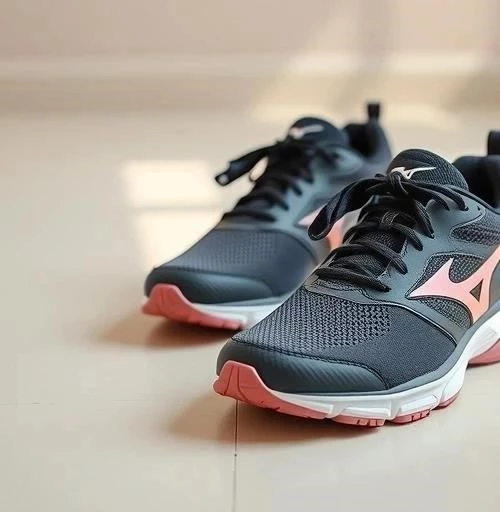
A good fitness shoe is a small piece of equipment with a surprisingly large job. It needs to cushion a landing‚ steady a turn‚ grip the floor‚ and feel comfortable enough that you stop thinking about your feet. Mizuno offers a wide range of athletic shoes‚ but “fitness shoe” can mean anything from a treadmill trainer to a shoe for lifting‚ dance‚ or court workouts. The best choice depends less on the label and more on what you ask your feet to do.
Think of this guide as a fitting-room compass. It will help you match your workouts‚ foot shape‚ and preferences to the right kind of Mizuno shoe—without assuming that every woman needs the same fit or the same features.
First‚ decide what “fitness” means in your week
A shoe designed for steady forward motion may feel wonderful on a run and awkward during a quick side-step. Before comparing models‚ list your most common activities‚ not your most ambitious ones. A shoe should support the workouts you actually do.
- Running or treadmill sessions: Prioritize a comfortable running fit‚ cushioning that suits your stride‚ and a secure heel; Your pace‚ distance‚ and personal preference matter more than choosing the softest-looking sole.
- Walking and everyday movement: Look for a smooth‚ easy transition from heel to toe and cushioning that feels comfortable over the length of your usual walks.
- Strength training: For controlled lifts‚ a stable‚ relatively firm base can feel more planted than a tall‚ soft running midsole. If your sessions include running between stations‚ you may need a compromise—or separate shoes.
- HIIT‚ dance‚ and circuit classes: These often involve fast changes of direction. Check that the shoe feels secure when you move laterally; a forward-running design is not automatically a good choice for side-to-side drills.
- Court sports: Frequent cuts‚ stops‚ and pivots call for court-specific traction and support. Choose a shoe made for your sport rather than assuming a running shoe can safely do every job.
If your routine combines several activities‚ identify the one that puts the greatest demand on the shoe. A short warm-up jog does not necessarily require a dedicated running model‚ but regular running plus heavy lifting may be more comfortable with two pairs.
How to read the Mizuno range
Mizuno’s lineup changes over time‚ and names or specifications can differ by country and season. Always check the current product page for the exact version available to you. As a broad starting point‚ the brand’s familiar running families illustrate different ride preferences:
- Wave Rider: A versatile neutral-running family often considered by people seeking a balanced everyday trainer. It may suit running and walking‚ but a neutral running shoe is not automatically the best tool for lateral gym drills.
- Wave Inspire: A stability-oriented running family to explore if you want guidance during forward motion. “Stability” is not a diagnosis or a guarantee that a shoe will correct your movement; comfort and fit still come first.
- Wave Sky: A cushioned option to investigate if you prefer a more protective‚ plush-feeling run. Try it in person if possible: a soft‚ higher shoe can feel less grounded for lifting or quick direction changes.
- Wave Horizon: A family commonly associated with cushioned stability in running. Compare the specific model’s feel and fit rather than choosing by category name alone.
- Wave Rebellion: A performance-oriented running family whose versions may have a more specialized ride. It is generally worth trying a dedicated daily trainer first if you want one shoe for ordinary workouts.
These names are a map‚ not a promise that every version will suit every foot. Technologies‚ geometry‚ weight‚ and intended use can change between generations. For gym sessions centered on lifting‚ lateral movement‚ or classes‚ check whether Mizuno currently offers a model specifically intended for that kind of training. If not‚ compare suitable shoes from other categories instead of forcing a running shoe into the wrong role.
Women’s fit: comfort is more useful than a category label
Women’s versions are often designed around fit differences‚ but feet vary enormously within every gender. Some women prefer a women’s-specific last; others need a wider fit‚ a different size‚ or a unisex option. Let your foot—not the colorway or the name on the box—make the decision.
- Shop later in the day‚ when feet may be slightly larger. Wear the socks you normally use for training.
- Check the toe box. Your toes should be able to spread naturally‚ with a little space in front of the longest toe. They should not press against the end or feel pinched from the sides.
- Check the heel. The shoe should feel secure without painful rubbing or a need to overtighten the laces. A small amount of movement may happen‚ but repeated slipping is a warning sign.
- Walk‚ jog‚ and turn. If possible‚ try the movements you use in class. A shoe can feel fine while standing and unstable once you move.
- Compare both feet. Many people have one foot slightly larger. Fit the larger foot comfortably‚ and use the lacing system to fine-tune the other side.
Sizing can vary across models and brands‚ so do not rely on a number alone. A longer shoe is not always the answer to a narrow-feeling forefoot; try a wider option if available. Likewise‚ a wide shoe cannot solve heel slip if the heel shape is wrong for you.
Cushioning‚ stability‚ and the feel beneath you
Cushioning is personal. A softer midsole may feel inviting on long walks‚ while a firmer platform can feel more connected to the ground during strength work. Neither sensation is universally superior. The useful question is: Does this shoe feel comfortable and controlled during my actual activity?
Stability features can help a shoe feel guided‚ but they do not replace strength‚ technique‚ or professional advice. You do not need to choose a stability shoe simply because you have been told you “pronate”; some inward foot motion is normal. If you have persistent pain‚ a history of injury‚ or uncertainty about your needs‚ consult a qualified clinician rather than trying to diagnose yourself from the shape of a sole.
For gym work‚ pay special attention to the base. A tall‚ highly cushioned running shoe may compress or feel wobbly under heavy loads. For short treadmill intervals followed by machines‚ that may be acceptable; for heavy squats or agility drills‚ it may not be. The right shoe is often the one that makes the movement feel controlled‚ not the one with the most dramatic cushioning.
A quick try-on test
Use this three-minute “mini workout” before committing to a pair:
- Walk briskly‚ then jog lightly if running is part of your routine.
- Do several bodyweight squats and calf raises.
- Step side to side and make a gentle turn.
- Notice pressure‚ slipping‚ rubbing‚ and whether the shoe feels stable under your chosen movements.
Stop if anything hurts. A new shoe may feel unfamiliar‚ but it should not require you to endure sharp pressure or hope that discomfort will magically disappear. If you buy online‚ check the retailer’s return policy and test the shoes indoors on a clean surface.
One pair or two?
One pair is convenient when your training is mostly walking‚ treadmill work‚ or easy running. Two pairs can be a smarter investment if your week includes activities with conflicting needs: for example‚ running and heavy lifting‚ or treadmill sessions and court classes; A running shoe handles forward motion; a flatter‚ more stable training or lifting shoe may feel more dependable under load. Keeping shoes for their intended jobs can also help them last longer.
Do not use mileage alone as a perfect replacement rule. Wear patterns‚ comfort‚ training surfaces‚ body weight‚ and frequency all influence how long a shoe remains useful. Check the outsole and upper‚ and pay attention if familiar workouts begin to feel unusually uncomfortable. Rotate pairs when practical‚ let them dry after sweaty sessions‚ and avoid storing them in intense heat.
Common buying mistakes to avoid
- Choosing by appearance alone: A sleek silhouette cannot tell you whether the toe box or heel will suit your foot.
- Buying for an imagined future routine: Choose for the workouts you do now‚ while leaving room for realistic plans.
- Assuming more cushioning is always better: Comfort depends on the activity and on how the shoe feels to you.
- Using a running shoe for every class: Running-focused traction and geometry may not provide the grounded lateral feel you want.
- Ignoring a bad fit because the model is popular: A highly rated shoe can still be the wrong shoe for your feet.
Your simple decision guide
If your priority is everyday running‚ start by comparing current Mizuno neutral trainers such as the Wave Rider family with the ride you prefer. If you want more guided support for running‚ investigate a stability-oriented option such as Wave Inspire and assess how it feels—not just what the label says. If you mainly walk and value a softer sensation‚ compare cushioned models such as Wave Sky or Wave Horizon. For lifting‚ HIIT‚ dance‚ or court sports‚ put lateral control and a stable platform ahead of a running model’s reputation‚ and seek footwear designed for the movements involved.
The best Mizuno fitness shoe for a woman is not a universal winner. It is the pair that fits your particular feet‚ matches your most demanding workout‚ and feels dependable from warm-up to the final repetition. Try it in motion‚ check the current model details‚ and trust sustained comfort over marketing language. When your shoes quietly support the session instead of becoming the session‚ you have found a worthy training partner.
2 Comments. Оставить новый
This guide treats shoe shopping less like chasing a “best” model and more like asking your feet what kind of week they’re having—a refreshingly practical idea. The workout-by-workout distinctions are useful, especially the reminder that a soft running shoe may feel like a wobbly raft during a lift. A note about trying shoes on with workout socks and testing a few side-steps in the store would make this fitting-room compass even more ready for the real world.
I like that the article refuses to crown one shoe queen of every workout. Its strongest insight is that the movement matters: forward miles, heavy lifts, and quick lateral cuts ask for different things from a sole. The guide could be even more helpful with a few specific Mizuno model examples, but its central advice is a keeper—choose for the workout you actually do, not the imaginary athlete in your shopping cart.