
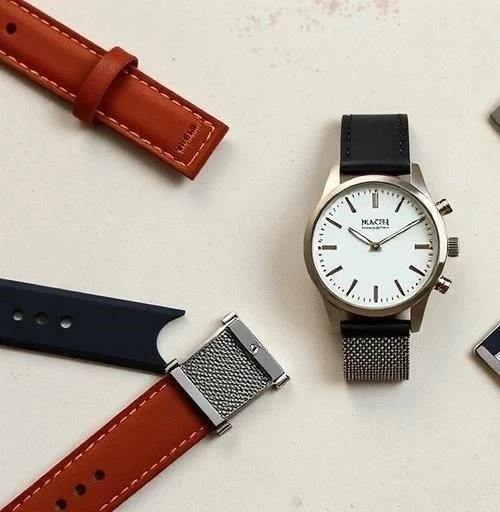
The best watch strap is the one that suits the way you wear your watch. There is no single winner for every person or occasion: comfort, climate, activity, appearance, maintenance and the watch itself all matter. A strap that looks elegant at a dinner may feel uncomfortable during a workout, while a durable sports band may look out of place with formal clothing. Rather than choosing by fashion alone, match the material to your daily needs.
Start with comfort and use
A strap stays against your skin for hours, so comfort should be a primary criterion, not an afterthought. Consider whether you sweat, work outdoors, have sensitive skin, or need to take the watch on and off frequently. Also check the watch’s lug width and attachment system: a strap that does not fit securely is not a good choice, however attractive it may be. If possible, try the material before buying, and make sure the buckle or clasp does not press against your wrist.
Comparing the main materials
- Rubber and silicone: These are strong choices for swimming, exercise and hot weather. They resist water, wipe clean easily and are generally comfortable during active use. Silicone often feels softer, while firmer rubber can offer a more substantial, secure fit; The trade-off is appearance: inexpensive versions can look casual, attract lint, or feel sticky in heat. For a sports watch, however, a well-made rubber strap is often the most practical all-round option.
- Leather: Leather is a classic choice for office wear and dress watches because it looks refined and can become more individual with age. It is usually comfortable once broken in, but it absorbs sweat and water, and repeated exposure can cause staining, odor or cracking. Choose leather when appearance matters more than frequent swimming or hard training. Treat it gently and rotate it with another strap if you wear the watch every day.
- Metal bracelets: Stainless steel is durable, versatile and easy to clean. A well-fitted bracelet can work with casual and business clothing, and it tolerates moisture better than leather. Its disadvantages are weight, possible hair pinching, and the need to size it correctly. Some people also find metal uncomfortable in very hot or cold weather. Titanium offers a lighter alternative, often at a higher price; precious metals prioritize appearance over value and rugged utility.
- Nylon and fabric: Woven straps are light, breathable and usually affordable. Many can be washed or replaced easily, making them useful for travel and everyday casual wear. Nylon can dry slowly after getting soaked, and rough edges or a damp strap may irritate sensitive skin. A single-piece design can help keep the watch attached if a spring bar fails, but it may sit higher on the wrist.
- Hybrid and specialty materials: Fabric-backed leather, coated textiles and other hybrids try to combine a polished appearance with improved durability. Results vary: a clever construction can make a strap more comfortable, but a coating does not automatically make it waterproof. Check the maker’s care instructions and warranty rather than relying on labels such as “all-weather.”
Best choices for common situations
For sports and swimming, choose rubber or silicone, provided the watch itself is rated for the activity. For formal wear, leather is usually the strongest visual match; a slim metal bracelet can also work when the watch design supports it. For daily office use, a fitted steel bracelet offers durability, while leather gives a warmer, more traditional look. For travel, lightweight nylon is easy to pack and inexpensive to replace. If you want one strap for varied conditions, a quality metal bracelet or neutral rubber strap is generally more adaptable than delicate leather.
Fit, care and value
Even the right material can disappoint if the fit is wrong. The strap should hold the watch securely without cutting into the wrist; you should be able to slide a finger underneath without excessive pressure. Wrist size changes through the day and with temperature, so allow a little movement. Check that the buckle, stitching, spring bars and quick-release fittings are sound. A cheap strap that fails can put the watch at risk, making reliable construction worth paying for.
Care also affects the real value of a strap. Rinse sweat and salt from rubber or metal, then dry the watch and your skin. Keep leather away from prolonged moisture and let it air out between wears. Wash fabric only as its manufacturer recommends, and inspect any strap regularly for cracks, fraying or loose hardware. Replacing a worn strap is safer than waiting for it to break.
The verdict
For most active, everyday users, quality rubber is the best practical strap; for a polished everyday watch, steel is the most durable versatile choice; and for formal style, leather remains hard to beat. None is universally best. If you own only one watch, choose the strap that fits your most frequent setting. If you can switch straps, keep a durable option for activity and a dressier one for occasions. The best decision is not the trendiest material, but the one that keeps the watch comfortable, secure and appropriate wherever you actually wear it;

4 Comments. Оставить новый
The emphasis on matching a strap to daily use is practical. Comfort and climate can matter more than appearance when a watch is worn for long hours, and the reminder to check lug width helps prevent an attractive but unsuitable purchase.
The material comparisons make the trade-offs clear, especially the warning that leather can suffer from repeated exposure to sweat and water. Rotating straps is a sensible suggestion for people who want to wear a leather strap regularly.
I appreciate that the article treats comfort and secure fit as essential rather than focusing only on style. Trying a strap before buying is useful advice, particularly for people with sensitive skin or watches they wear throughout the day.
This is a balanced guide because it does not claim one material is best for everyone. The practical examples—rubber for active use and leather for dressier occasions—make the recommendations easy to apply.