
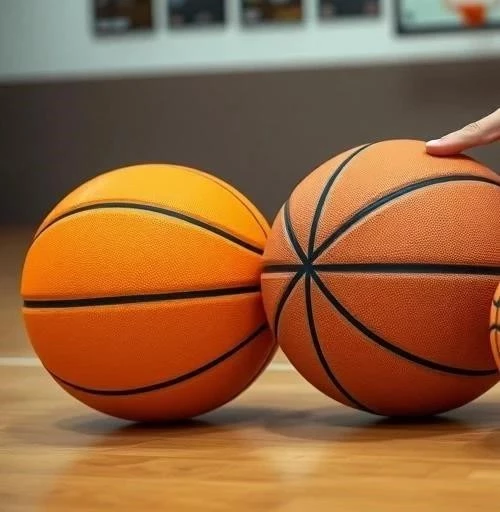
Choosing a basketball depends on where it will be used, who will play with it, and how often it will be played․ A ball that feels comfortable and suits the playing surface is easier to control, pass, and shoot․ Before buying, check its size, material, intended court, grip, and construction․
Choose the Correct Size
Basketballs are made in several standard sizes․ Size 7 is the official men’s full-size ball and is commonly used by older teenagers and adults․ Size 6 is used in women’s competitions and is often suitable for younger players․ Size 5 is generally intended for children around 9–11 years old, while smaller sizes are available for younger children․ Age guidance varies between leagues, so check local rules if the ball is for a team or competition․
When possible, let the player handle the ball before purchasing it․ The fingers should reach around it comfortably, and the player should be able to hold and control it without strain․ A ball that is too large or heavy may make learning basic skills more difficult․
Match the Ball to the Court
The playing surface is a key factor․ Outdoor courts are usually made of concrete or asphalt, which can wear down a ball’s cover quickly․ For regular outdoor play, choose a durable rubber ball or one specifically marked for outdoor use․ Indoor courts are typically made of wood or synthetic flooring․ A leather or composite-leather ball designed for indoor play can provide a softer feel and reliable grip on these surfaces․
Some balls are labelled for both indoor and outdoor use․ These are a practical option for casual play in different settings, although they may not feel exactly like a specialist ball on either surface; Frequent use on rough pavement can still shorten their lifespan․
Consider Material and Grip
- Rubber: Usually durable and affordable, making it suitable for outdoor courts and beginners․ Its feel may be firmer than that of higher-end materials․
- Composite leather: Often offers a softer touch and good grip․ Many models are designed for indoor use, while some are suitable for both surfaces․
- Genuine leather: Commonly used for competition-level indoor balls․ It may require a break-in period and is generally not intended for rough outdoor courts․
Grip depends on the surface texture, the player’s preference, and the condition of the ball․ Look for a cover that feels secure in the hands without being excessively rough․ Deep channels between the panels can help with finger placement, but comfort matters more than appearance․ If possible, try bouncing and catching the ball before buying it․
Check Construction and Inflation
Inspect the seams and panels for even spacing, secure bonding, and visible defects․ A well-made ball should retain its shape and bounce consistently․ Check the recommended pressure printed near the valve, and inflate the ball within that range․ Overinflation can affect handling and place extra strain on the seams; underinflation can make the bounce unpredictable․ A pressure gauge is more reliable than judging inflation by feel alone․
Make a Practical Choice
Set a budget based on how often the ball will be used․ A basic model can be suitable for occasional recreation, while regular training may justify a more durable or competition-grade ball․ Consider the player’s age, the court surface, and any league requirements first․ The best choice is the correctly sized ball, built for the intended court, that the player can handle comfortably and maintain properly․

5 Comments. Оставить новый
The guidance on letting players handle a ball before buying it adds a useful, practical perspective. The discussion of durability also helps distinguish outdoor options.
The comparison between indoor and outdoor courts helps explain why the playing surface matters. The advice is practical for casual players and families.
This is a straightforward introduction to selecting a basketball. It clearly notes that balls designed for multiple surfaces can involve trade-offs compared with specialist options.
The article gives a clear overview of factors to consider when choosing a basketball. The explanations of ball size and player comfort are especially useful.
The article is organized around relevant buying considerations, including size, court type, material, and grip. Checking local rules is a helpful reminder for team use.