
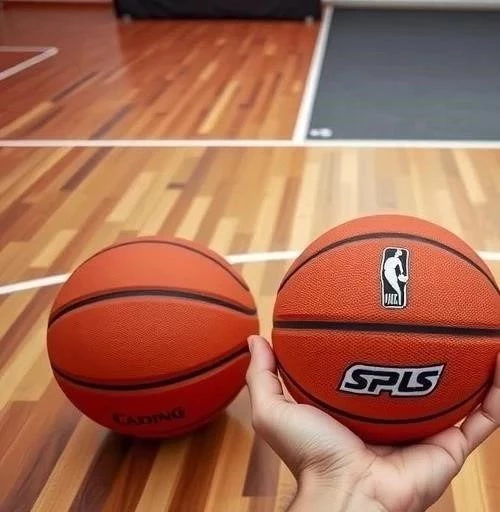
A basketball is more than an orange sphere with a talent for escaping under the bleachers. It is your partner in every fast break‚ your metronome for practice‚ and the one piece of equipment that has to feel right in your hands. Choose well and the game seems to answer your touch. Choose poorly and every dribble feels like a small disagreement. Here is how to find a ball that suits your court‚ your hands‚ and your ambitions.
Start with the right size
Size is the first decision because a ball that is too large can strain a young player’s control‚ while one that is too small can make shooting mechanics awkward. For most adult men’s games‚ size 7 is the standard: about 29.5 inches in circumference. Size 6‚ about 28.5 inches‚ is commonly used in women’s play and by many younger players. Size 5‚ about 27.5 inches‚ is a popular choice for children roughly ages 9–11. Smaller sizes suit younger beginners.
Age ranges are useful guides‚ not laws of basketball physics. A player’s hand size‚ strength‚ league rules‚ and comfort all matter. If you are buying for a team‚ check its competition specifications first. For a child practicing at home‚ the ball should be manageable: they should be able to grip it‚ control a dribble‚ and use sound shooting form without hauling it toward the hoop with both hands.
Match the ball to the floor
Ask where the ball will spend most of its life. Indoor courts are smooth‚ and their finish rewards a ball with a responsive feel and refined grip. Outdoor courts are harsher: concrete and asphalt sand away surface texture like patient little mountains. A ball designed for indoor play can wear out quickly outside‚ however luxurious it feels on day one.
- Mostly indoors: choose an indoor ball made from genuine leather or quality composite leather. Genuine leather can feel excellent after a break-in period‚ but it is generally intended for indoor courts and may start out firm.
- Mostly outdoors: choose a durable rubber ball or an outdoor-rated composite. Rubber is usually tough and affordable‚ though its feel can be firmer and less refined.
- Both settings: look for a clearly labelled indoor/outdoor composite ball. It is a practical compromise for casual players‚ although a true specialist ball may perform better on its intended surface.
“Composite” is not a magic quality grade. Two balls carrying that label can differ considerably in grip‚ softness‚ and durability. Read the manufacturer’s intended-use description‚ then inspect and handle the ball if possible.
Let your fingers do the research
The surface should feel secure without feeling sticky. Tiny raised dots‚ channels‚ or pebbling help your fingers locate the ball during a pass or a one-handed gather. Run your palm over the panels: does the texture feel even? Do the channels guide your fingers naturally? A ball with deep‚ comfortable grooves may suit a player who relies on precise handling; another player may prefer a smoother touch.
Check the seams‚ too. They should be even and cleanly joined‚ not rough‚ peeling‚ or oddly raised. Look for a shape that appears symmetrical and panels that sit consistently. These details do not guarantee a perfect ball‚ but visible flaws are a good reason to choose another one. If you can‚ take a few practice dribbles and shots. A good match feels predictable‚ not as if the ball is inventing a new bounce each time.
Bounce‚ balance‚ and air pressure
Inflation changes everything. An underinflated ball can feel sluggish and make dribbling unreliable; an overinflated one may bounce harshly and be uncomfortable to catch. Find the recommended pressure printed near the valve or in the product instructions‚ and use a pump with a pressure gauge. Do not rely on squeezing the ball or guessing by sound. If the ball feels uneven after inflation‚ check the valve and confirm that it is not overfilled.
You can do a simple rebound check on a level surface: hold the ball around shoulder height and let it fall without adding a push. It should rebound consistently‚ though the exact height depends on the ball’s specified pressure and the test surface. Repeat the test rather than judging from a single bounce. Also spin the ball gently on a fingertip or flat surface if practical; a pronounced wobble may point to an uneven shape.
Think about grip‚ climate‚ and care
Sweat‚ dust‚ and temperature influence how a ball feels. A textured surface can help with control‚ but no material stays grippy when coated in dirt. Wipe the ball with a soft‚ slightly damp cloth after play and let it dry naturally. Avoid leaving it in a hot car‚ soaking it‚ or storing it outdoors for weeks. Heat can affect the material and pressure; moisture can damage balls not designed for wet conditions.
Outdoor players should expect surface wear and check the ball regularly for cuts‚ peeling‚ or a leaking valve. Indoor players should keep their ball off rough pavement: even a short “just one shot” session can scuff a surface meant for a polished floor. Store it inflated to the recommended pressure‚ away from sharp objects and direct sunlight.
Choose by use‚ not by logo
A famous brand can make excellent basketballs‚ but a logo does not tell you whether the size or surface suits your game. Compare construction‚ intended court‚ reviews from players with similar needs‚ and the return policy. A recreational player may get the best value from a durable mid-priced ball; a competitive player might value consistent grip and feel more than a low price. The most expensive option is not automatically the best one for a driveway.
A quick buying checklist
- Confirm the correct size for the player and league.
- Choose indoor‚ outdoor‚ or indoor/outdoor construction based on where you actually play.
- Check the grip‚ seams‚ shape‚ and manufacturer’s recommended pressure.
- Consider comfort and control before paying extra for prestige.
- Plan to clean‚ inflate‚ and store the ball properly.
The right basketball is the one that fits your hands and your court so naturally that you stop thinking about the equipment and start thinking about the next pass. Pick the right size‚ respect the surface it is built for‚ and trust what your fingertips tell you. Then take it outside—or onto the hardwood—and let the first clean bounce introduce you.
1 Comment. Оставить новый
I like the idea that a basketball has an “address”: a polished gym or a stubborn patch of asphalt. This guide makes choosing one feel less like shopping and more like finding the right instrument for the court you call home.