
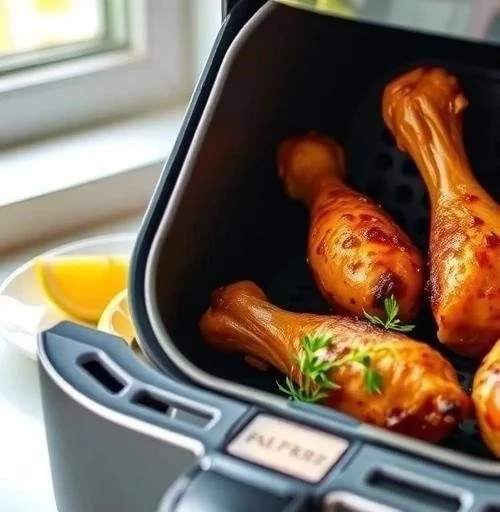
An air fryer can cook chicken with a crisp, browned exterior and a juicy center while using much less oil than deep-frying. Its circulating hot air is the key: it cooks food quickly and encourages browning, but it can also dry chicken out if the pieces are too small, crowded, or left in too long. Good results therefore depend less on complicated recipes than on even portions, sensible seasoning, and checking doneness safely.
Choose and prepare the chicken
Boneless breasts are convenient, but their uneven thickness makes them easy to overcook at the thin end. Pound them gently to an even thickness, or cut them into similar-sized pieces. Thighs are more forgiving because their higher fat content helps them stay moist; bone-in pieces simply need more time. Pat chicken dry before seasoning. A light coating of oil helps spices adhere and promotes browning, but a heavy coating is unnecessary.
Season with salt, pepper, paprika, garlic powder, or herbs. For a simple marinade, combine oil, lemon juice or yogurt, and seasonings. Marinate in the refrigerator, not on the counter, and wipe off excess liquid before air-frying: too much wet marinade can prevent browning. Never reuse marinade that has touched raw chicken unless you boil it thoroughly.
Temperature, timing, and method
- Preheat the air fryer to 375°F (190°C) for about 3–5 minutes if your model recommends preheating. A hot basket helps the chicken begin browning promptly.
- Arrange the pieces in one layer with space around them. Air needs to circulate; a crowded basket traps moisture and cooks unevenly. Work in batches rather than stacking pieces.
- Cook, turning once halfway through. As a starting guide, boneless breasts often take _len 12–18 minutes, thighs about 16–22 minutes, and wings about 20–25 minutes at 375–400°F (190–200°C). These are estimates, not guarantees: thickness, quantity, and appliance design all matter.
- Check the thickest part with an instant-read thermometer, avoiding bone. Chicken is safe when it reaches 165°F (74°C). If it has not reached that temperature, continue cooking in short intervals and check again.
- Rest the chicken for 3–5 minutes before cutting. Resting lets juices settle and makes the texture more pleasant.
How to get better results
Do not rely on color, clear juices, or a recipe’s timer to prove that chicken is safe. A thermometer is the most dependable check, especially for thick breasts and bone-in cuts. Conversely, cooking far beyond the safe temperature can make lean meat dry, so remove it once the thickest part reaches 165°F.
For a crisp coating, use a thin layer of flour or breadcrumbs and press it onto lightly oiled chicken. Avoid loose, lightweight crumbs that the fan may blow around. Turn breaded pieces carefully, and apply a little oil to the coating rather than pouring oil into the appliance. Sugary sauces can burn; brush them on near the end of cooking instead of at the start.
If the outside browns too quickly while the center remains undercooked, lower the temperature slightly and cook longer. If the surface looks pale, check that the chicken is dry, the basket is not crowded, and the appliance has had time to heat. Each model behaves differently, so note the timing that works for your own portions and fryer.
Serving and safe handling
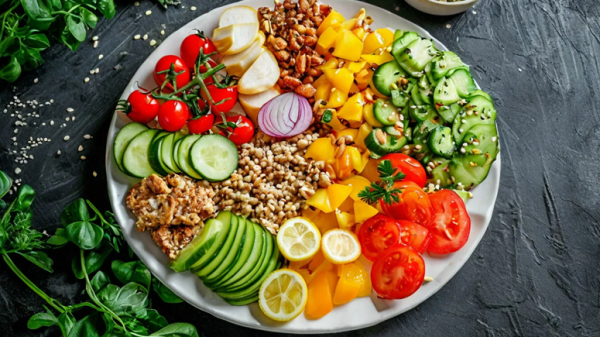
Serve air-fried chicken with vegetables, salad, rice, or potatoes. Refrigerate leftovers within two hours in a covered container, and reheat until steaming hot. Keep raw chicken and its juices separate from ready-to-eat food, wash hands and utensils after handling it, and clean the basket after use.
The best approach is straightforward: prepare evenly sized pieces, leave room for airflow, season lightly, and use temperature—not guesswork—to decide when the chicken is done. With these habits, an air fryer is a reliable way to make flavorful chicken with a crisp surface and a safely cooked, tender center.
2 Comments. Оставить новый
The article balances useful cooking tips with clear safety advice, including refrigerating marinades and not reusing marinade that has touched raw chicken. Its suggestions for breasts and thighs help readers choose a method suited to the cut. One helpful addition would be to state the recommended safe internal temperature for chicken, so readers know exactly what the thermometer should register.
This is a practical, well-organized guide that explains why preparation and airflow matter as much as cooking time. The reminders to avoid crowding the basket and to treat timing as an estimate are especially useful, since air fryers and chicken portions vary. Checking the thickest part with a thermometer is also a sound way to prioritize food safety over guesswork.