
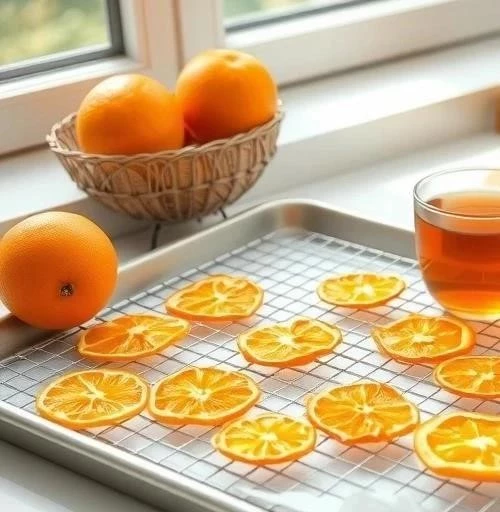
Dried orange slices add a mild citrus aroma‚ gentle sweetness‚ and attractive color to tea. They can be used on their own or combined with black‚ green‚ or herbal tea; The key to making them well is to slice the fruit evenly‚ remove as much moisture as practical‚ and store the finished slices in a dry‚ airtight container.
Choose and prepare the oranges
Select firm oranges with unbroken skin and no soft spots‚ mold‚ or signs of spoilage. Any variety can be dried‚ though thinner-skinned oranges are often easier to slice. Wash the fruit thoroughly under running water and dry it with a clean towel. This matters because the peel will remain on the slices and will be used in the drink.
Use a sharp knife or a mandoline to cut the oranges crosswise into even rounds‚ about 3–5 millimeters thick. Thin slices dry more quickly‚ while thicker ones take longer and may remain moist in the center. Try to keep the slices close to the same thickness so they finish at roughly the same time. Remove any seeds with the tip of a knife; seeds can add bitterness if left in the fruit.
For a less bitter flavor‚ trim away some of the white pith from the ends of the oranges before slicing. It is not necessary to remove the peel. Avoid soaking the slices or adding sugar before drying: extra liquid lengthens the drying time‚ and sugar can make the fruit sticky.
Dry oranges in the oven
- Heat the oven to its lowest setting‚ ideally about 70–90°C (160–195°F). A low temperature helps the fruit dry gradually rather than brown quickly. If the oven cannot be set that low‚ use the lowest available temperature and check the slices more often.
- Line a baking tray with parchment paper or place a wire rack over the tray. Arrange the slices in one layer‚ leaving a little space between them so air can circulate.
- Put the tray in the oven. Leave the door slightly ajar if the appliance instructions allow it; this can help moisture escape. Do not leave an oven unattended or use this method if the manufacturer advises against it.
- Turn the slices every 1–2 hours. Drying commonly takes 4–8 hours‚ but the exact time depends on slice thickness‚ oven temperature‚ and how much juice the fruit contains.
The oranges are ready when they feel dry and leathery‚ with no wet or sticky area in the middle. They may still bend slightly while warm. Do not judge them immediately out of the oven: allow a slice to cool before checking its texture‚ since warm fruit can feel softer than it will once cooled. If the slices are still damp‚ return them to the oven and check again periodically.
Use a food dehydrator
A dehydrator is useful when you want steady airflow and more consistent results. Arrange the slices on the trays without overlapping them and set the machine to approximately 55–60°C (130–140°F)‚ or follow its instructions for fruit. Dry for about 6–12 hours‚ checking the slices as they approach the end of the process. Rotate trays if the appliance does not dry evenly. The slices are finished when they are dry and pliable or crisp‚ rather than moist.
Air-drying
Air-drying is possible in a warm‚ dry‚ well-ventilated room‚ but it usually takes several days and is less predictable. Place the slices on a clean mesh rack‚ protect them from dust and insects‚ and turn them regularly. Avoid humid rooms and do not leave fruit in a place where condensation can form. Because slow drying gives moisture more time to encourage spoilage‚ an oven or dehydrator is generally the more dependable option.
Cool‚ condition‚ and store
Let the dried slices cool completely on a rack before packing them. For added confidence‚ place the cooled pieces in a clean‚ dry jar for several days and check it daily. If you see condensation‚ or the slices become soft or damp‚ dry them again before storing. Discard fruit that develops mold or an unusual smell.
Store fully dry oranges in an airtight glass jar or food-safe container‚ away from heat‚ sunlight‚ and moisture. Label it with the drying date. Keep the container in a cool‚ dark cupboard and use clean‚ dry hands or utensils when removing slices. Properly dried fruit may keep for several months‚ but its aroma gradually fades. If the storage area is warm or humid‚ use the slices sooner and check them regularly.
Making tea with dried orange
Add one slice to a cup or teapot with your chosen tea‚ then pour over hot water and steep according to the tea’s usual instructions. For a stronger citrus note‚ break the slice into smaller pieces or allow it to steep longer. A small piece of cinnamon‚ ginger‚ or clove can complement the orange‚ but these additions are optional. Taste before adding sweetener: dried fruit can contribute a little sweetness‚ though it does not replace sugar or honey in every blend.
You can also crumble dry orange peel into a tea blend‚ but use only clean fruit and keep the pieces dry until brewing. If a slice has softened in storage‚ smells stale‚ or shows any sign of mold‚ do not use it. Consistent slicing‚ gentle drying‚ and moisture-free storage help preserve the fruit’s flavor and make it convenient to add to tea.


3 Comments. Оставить новый
The low-temperature oven instructions are useful, especially the reminders to allow airflow and check the fruit during drying.
The article provides clear, practical guidance on preparing orange slices and explains why even thickness matters for consistent drying.
The preparation advice is straightforward and covers details such as washing the peel and removing seeds that can affect flavor.