
Losing a watch can be frustrating, especially if it is valuable or has sentimental meaning. The best approach is to search calmly and systematically rather than repeatedly checking the same places. Start with the last moment you clearly remember wearing or handling it, then work forward through your movements.
Reconstruct where you last had it
Pause and think about the last time you saw the watch on your wrist. What were you doing? Were you getting dressed, washing your hands, exercising, or taking it off before bed? Check photos, messages, calendar events, or receipts from that day if they help you remember your route. Write down the places you visited in order, including rooms, vehicles, and stops along the way.
Search the most likely location first. If you usually remove your watch near a sink, bedside table, or charging station, inspect that area carefully before moving on. A quick mental timeline can prevent a scattered search and help you notice a missing step.
Search methodically at home
Look slowly and use good lighting. A watch may slide behind furniture, catch in fabric, or blend into a dark surface. Search at floor level as well as at eye level, and check under and behind nearby objects. Use a flashlight to look beneath beds, sofas, cabinets, and car seats. Move cushions and bedding gently rather than shaking them, which could send a small item farther away.
- Check pockets, bags, coat linings, and the clothes you wore recently.
- Look in laundry baskets, washing-machine areas, and folded or freshly washed clothing.
- Inspect bathroom counters, shelves, towel folds, and the area around the sink.
- Check bedside tables, desks, drawers, jewelry boxes, and watch stands.
- Look between sofa cushions, under rugs, and around places where you change clothes.
- Check the car, including cup holders, door pockets, and the space between seats.
Search one small area at a time and mark it as checked. If another person is helping, divide the rooms so that you do not duplicate work or accidentally move the watch without noticing. Avoid vacuuming or putting laundry through another cycle until you have checked those areas.
Retrace your steps outside
If you may have lost the watch away from home, contact the places you visited as soon as possible. Ask reception desks, shops, restaurants, gyms, public-transport services, and building security about their lost-and-found procedures. Give a clear description: brand, model, color, strap type, distinctive marks, and the approximate time and location where it may have been lost. Do not share a passcode or other private account information.
Retrace your route safely, paying attention to places where you removed gloves, changed clothes, or rested your arm on a surface. If the watch could have fallen in a public area, ask staff for assistance rather than entering restricted spaces or searching near traffic. Leave your contact details with lost-and-found staff and follow up later; items are not always turned in immediately.
Use tracking features for a smartwatch
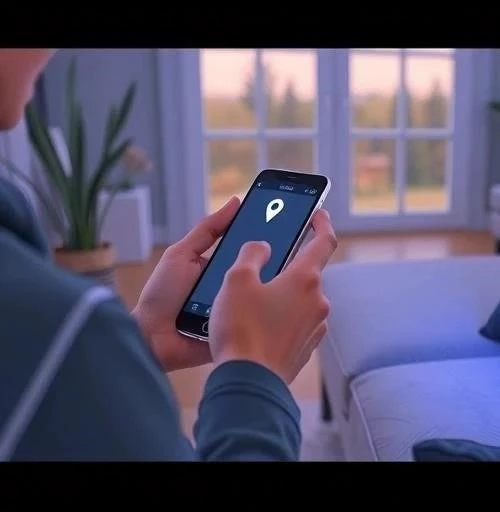
If the missing item is a connected smartwatch, open the manufacturer’s phone app or account service and look for a device-finding feature. Depending on the model and its settings, you may be able to see its last known location, make it play a sound, or mark it as lost. Try ringing it when you are nearby, and check that the phone is connected to the right account.
Location information may be delayed or unavailable if the battery is empty, the watch is offline, or location services were disabled. Treat a map pin as a useful clue, not guaranteed proof of the watch’s exact position. If the location points to a private property or an unfamiliar place, do not confront anyone. Contact the property manager or local authorities if appropriate.
Protect your information and prevent another loss
If you think the watch was stolen or cannot recover it, use the account’s lost-device options. Lock it or mark it as lost if available, change passwords if you have reason to believe an account is at risk, and contact the seller or manufacturer about next steps. Keep the serial number, proof of purchase, and a description somewhere secure; these details can help with an insurance claim or identification.
Once the watch is found, choose a consistent place to put it whenever you take it off. A small tray, stand, or charging dock near your usual changing spot makes it easier to notice when it is missing. For a smartwatch, keep tracking enabled, maintain a charge, and check that the companion app is set up correctly. A routine, combined with a calm and organized search, gives you the best chance of finding your watch.


4 Comments. Оставить новый
Searching one small area at a time is excellent advice. It keeps the process organized and makes it easier to know which places have already been checked.
I appreciate the calm tone and useful details, especially the tip to use a flashlight and look behind furniture. This could help someone avoid turning a frustrating search into a chaotic one.
The step-by-step approach makes a stressful search feel much more manageable. I especially like the reminder to reconstruct a timeline instead of checking the same spots repeatedly.
A practical and reassuring guide. The suggestions to check clothing, laundry areas, and car compartments are easy to overlook when searching in a hurry.