
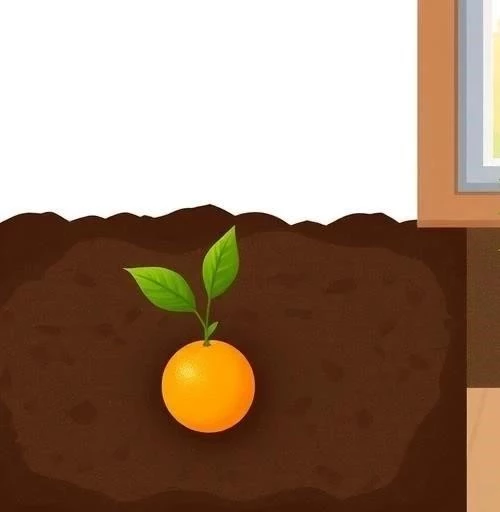
Growing an orange tree at home is rewarding‚ whether you want a leafy houseplant or hope to harvest fruit one day. The method depends on your goal: a tree grown from a supermarket orange seed is easy to start‚ but it may take many years to fruit and its oranges may differ from the parent. For reliable fruit‚ buy a healthy grafted tree from a reputable nursery. With warmth‚ strong light‚ well-drained soil‚ and patient care‚ either can thrive.
Choose a growing method
From seed: This is an inexpensive‚ enjoyable project‚ especially for children. Choose a fresh‚ plump seed from a ripe orange; dried or damaged seeds are less likely to sprout. Seed-grown citrus can become a handsome ornamental plant‚ but it may not come true to type‚ and indoor conditions may prevent flowering or fruiting.
From a nursery tree: A grafted dwarf orange is usually the best option if fruit is your priority. It generally fruits sooner than a seedling and stays more manageable in a container. Ask which varieties suit your climate and whether the plant needs another variety nearby for pollination. Most oranges are self-fertile‚ though flowering indoors may still need help with pollination.
Planting an orange seed
- Rinse the seed thoroughly to remove any fruit pulp. Plant it while fresh‚ or keep it briefly in a sealed bag in the refrigerator; do not let it dry out.
- Fill a small pot with drainage holes using a light‚ free-draining potting mix. A citrus mix is suitable. Avoid dense garden soil‚ which can hold too much water.
- Plant the seed about 1–2 cm deep‚ cover it lightly‚ and water so the mix is evenly moist but not soggy.
- Place the pot somewhere warm‚ ideally around 21–27°C. Covering it loosely with a clear bag can maintain humidity‚ but remove the cover once a shoot appears and air it daily to limit mould.
- Germination may take several weeks. When the seedling has a few sets of leaves‚ keep the strongest one and move it into a slightly larger pot if roots fill the container.
Light‚ temperature‚ and watering
Orange trees need abundant light. Give an indoor plant the sunniest available window‚ preferably one receiving several hours of direct sun. Turn the pot occasionally so growth remains even. If winter days are dim‚ a suitable grow light can supplement natural light. Move the plant outdoors gradually in warm weather‚ first placing it in bright shade and increasing sun exposure over a week or two. Bring it inside before cold nights; citrus is sensitive to frost.
Water thoroughly until excess drains from the bottom‚ then wait until the top few centimetres of soil feel dry before watering again. Empty the saucer rather than leaving the roots standing in water. The exact schedule varies with pot size‚ heat‚ and season‚ so check the soil instead of following a fixed calendar. Yellow leaves can result from overwatering‚ poor drainage‚ or nutrient issues‚ while persistently dry soil may cause wilting and leaf drop.
Potting‚ feeding‚ and pruning
Choose a container with drainage holes and increase its size gradually as the tree grows. A pot that is far too large stays wet for longer and raises the risk of root problems. Repot when roots circle the pot or emerge from the drainage holes‚ ideally in spring. Use fresh‚ airy citrus potting mix and keep the trunk base at the same depth as before.
During active growth‚ feed with a citrus fertilizer according to its label. These products provide nutrients‚ including nitrogen and trace elements‚ that container plants may lack. Do not fertilize a dry or stressed plant‚ and reduce feeding in winter when growth slows. Prune lightly to remove dead‚ damaged‚ or crossing branches; Heavy pruning is rarely needed for a small indoor tree and can reduce flowering.
Flowers‚ fruit‚ and common problems
A seed-grown tree may need several years to mature‚ and an indoor plant may never produce fruit. A grafted tree can bear sooner‚ but timing depends on its variety‚ age‚ light‚ and growing conditions. Flowers need good light and stable care. If the tree blooms indoors‚ gently brush pollen from flower to flower with a small‚ clean brush. Not every flower will develop into fruit; this is normal.
Check leaves regularly for scale insects‚ spider mites‚ and aphids‚ especially after bringing a plant indoors. Isolate an infested tree‚ rinse pests away where practical‚ and use a product labelled for citrus if needed‚ following the instructions carefully. Avoid sudden changes in temperature‚ drafts‚ and frequent moving‚ which can trigger leaf drop.
What to expect
For the best chance of home-grown oranges‚ start with a grafted dwarf tree‚ provide strong sun‚ and protect it from frost. For a simple growing experiment‚ plant a fresh seed and enjoy watching it develop without expecting a predictable harvest; In both cases‚ the essentials are steady warmth‚ free drainage‚ careful watering‚ and patience.


5 Comments. Оставить новый
A clear and practical guide that makes the differences between growing from seed and starting with a grafted tree easy to understand.
A useful overview for beginners. It explains the options without promising that a seed-grown tree will produce fruit.
Well organized and easy to read, with practical details that help make growing an orange tree feel manageable.
I appreciate the realistic expectations about how long seed-grown oranges may take to fruit. The planting instructions are easy to follow.
The advice about warmth, drainage, and keeping the seed fresh is especially helpful for anyone trying this for the first time.