
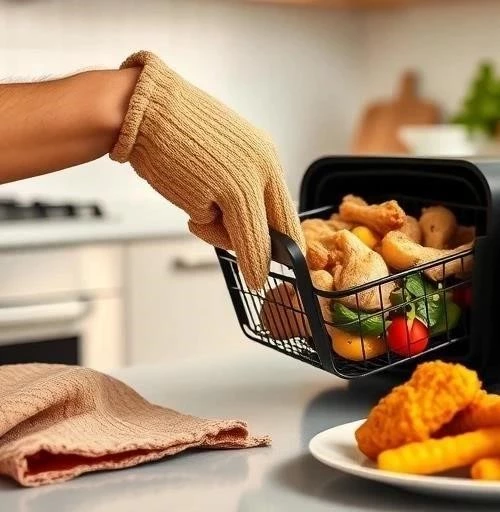
An air fryer is a compact countertop appliance that cooks by circulating hot air around food․ Despite its name, it does not fry food in a deep bath of oil․ It can crisp the outside of many ingredients with little added fat, although results depend on the food, appliance and cooking method․ Before using a new model, read its manual: controls, capacity, accessories and safety instructions vary․
Set Up the Appliance
Place the air fryer on a stable, level, heat-resistant surface, leaving the clearance around it required by the manufacturer․ Keep it away from curtains, cupboards and other objects that could block the air vents․ Check that the basket, tray and interior are clean and dry, then fit the removable parts as shown in the manual․ Some models recommend an initial empty run to remove manufacturing odours; follow the maker’s directions rather than assuming this is necessary․
Prepare the Food
Cut ingredients into pieces of similar size so they cook at roughly the same rate․ Pat wet foods dry when a crisp surface is wanted․ A light coating of oil can improve browning on vegetables or homemade potatoes, but oil is not always needed․ Apply it to the food, not directly to the heating element․ For packaged frozen foods, check the label and use the air-fryer instructions if provided․ Do not thaw food unless the recipe calls for it․
Load the Basket
Arrange food in a single, reasonably loose layer whenever possible․ Hot air needs room to move; an overfilled basket can lead to uneven cooking and softer results․ Cook larger quantities in batches if needed․ Small or lightweight pieces may move in the airflow, so keep them away from the heating element and use only accessories approved for the appliance․ Do not put loose baking paper in an empty, preheating basket: airflow can lift it into the heater․
Choose Time and Temperature
Set the temperature and cooking time using a recipe, the food packaging or the appliance’s guide․ Air fryers differ in power and basket design, so treat suggested settings as starting points, not guarantees․ If converting an oven recipe, begin checking earlier and adjust in small increments․ Preheating is useful for some recipes, but not every model or food requires it․ If the manual recommends preheating, do so with the basket installed and follow its instructions․
Cook and Check
Start the cycle and monitor the food, especially the first time you prepare it․ Halfway through, pause the appliance and shake the basket or turn larger pieces with suitable utensils if the recipe recommends it․ Return the basket securely before restarting․ Check for doneness near the end; add a short amount of time if needed․ For poultry, meat and fish, use a food thermometer and follow reliable safe-temperature guidance․ Colour alone cannot confirm that food is safely cooked․
Useful Starting Points
Cooking times vary with portion size, starting temperature and appliance, so use these examples only as broad guides and check the food as it cooks:
- Vegetables: toss bite-sized pieces with a little oil and seasoning; cook in a loose layer, shaking once․
- Potatoes: cut evenly, rinse or soak if desired, dry thoroughly, then cook until browned and tender․
- Frozen snacks: arrange without thawing unless the package says otherwise; check and turn as directed․
- Fish or chicken: season, leave space between pieces and verify doneness with a thermometer․
Safety and Cleaning
The basket and its contents become very hot․ Use the handle or heat-resistant gloves, and place the basket on a heat-safe surface․ Open it carefully, directing steam away from your face and hands․ Do not cover vents, immerse the main unit in water or operate the appliance with a damaged cord․ After cooking, switch it off, unplug it and let it cool completely․ Remove crumbs and wash the basket and tray according to the manual; use non-abrasive tools to protect any non-stick coating․ Wipe the exterior with a damp cloth only when unplugged and cool․ Dishwasher use is suitable only if the manufacturer confirms it․
Common Problems
If food is pale or soft, avoid crowding, dry the ingredients more thoroughly, and check that the temperature is appropriate․ If the outside browns before the centre cooks, use smaller or more uniform pieces and lower the heat while extending the time․ Smoke can come from grease or crumbs left in the drawer; stop the appliance, unplug it when safe, let it cool, then clean it․ Do not pour water into the appliance to stop smoke․ If unusual noises, persistent smoke or an error message occurs, stop using the unit and consult the manual or manufacturer․
After Cooking
Let the appliance cool before storing it, and make sure all removable parts are clean and dry․ With a little practice, adjust one variable at a time—portion size, temperature or cooking time—so you can repeat results․ The manual remains the best guide for model-specific limits, accessories and care․

8 Comments. Оставить новый
The guidance on preparing food and avoiding an overcrowded basket is easy to follow. It also appropriately notes that cooking results can vary between models.
The article provides a practical starting point for using an air fryer safely and effectively. Consulting the manufacturer’s manual is emphasized appropriately throughout.
This is a useful introductory guide for someone using an air fryer for the first time. The safety advice is integrated with the cooking suggestions without overstating what the appliance can do.
The step-by-step structure makes the information accessible. The warnings about loose baking paper and lightweight foods are useful details that may not be obvious to new users.
The distinction between air frying and deep frying helps set realistic expectations. The article also gives sensible advice about using oil sparingly and following food packaging directions.
This guide presents general air fryer advice in a measured way and acknowledges that appliance instructions differ. Its suggestions about food size and basket arrangement are particularly clear.
The article explains the role of airflow in achieving more even cooking and crisping. The recommendation to cook in batches when necessary is straightforward and practical.
The article offers a clear overview of basic air fryer setup and use. Its reminders to check the appliance manual and allow space around the vents are practical.