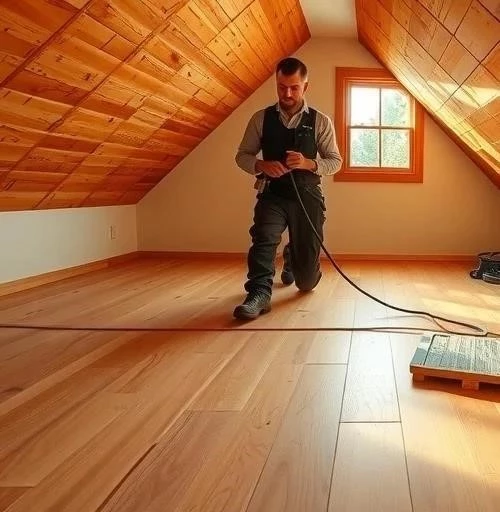
Bamboo parquet can bring warmth and a clean, natural look to an attic․ A durable result, however, depends less on appearance than on careful planning․ Good flooring installation starts with the structure below the boards, especially in a space exposed to changing temperatures․
Prepare the attic base
Inspect the wooden joist structure and floor joists for movement, damage, or squeaks․ Secure loose boards, then check that the subfloor is firm, dry, and flat․ Floor leveling may require sanding high spots or adding a plywood base․ Follow the flooring maker’s tolerances: an uneven base can stress joints and cause noise․
Plan attic insulation, waterproofing, and a vapor barrier as part of the full assembly—not as a last-minute addition․ The correct layers depend on the roof design and local climate; Preserve roof-space ventilation so moisture can escape, and avoid trapping dampness beneath the finish․ For floor soundproofing, choose compatible acoustic materials that will not make the surface unstable․
Acclimatize and choose an installation method
Bring the boards into the room before installation and follow the manufacturer’s bamboo acclimatization instructions․ Keep the temperature conditions steady, and check wood moisture with a suitable meter․ Do not install wet boards or work in a space that is still drying․
A click-lock system is often installed as a floating floor over parquet underlay․ It is quick to fit and can move slightly with seasonal changes․ Glue-down installation may provide a firmer feel, but it requires a compatible adhesive and a correctly prepared base․ Never combine methods unless the product instructions allow it․
Fit boards with care
Use reliable installation tools: a tape measure, square, spacers, saw, tapping block, and moisture meter․ Decide the plank direction before starting; boards laid along the room’s longest line can make a narrow attic appear more spacious․ Stagger end joints and avoid tiny offcuts at walls․ Accurate panel trimming around columns, stairs, and dormers improves both appearance and fit․
Leave the specified expansion gap at every wall and fixed object․ This expansion joint lets the floor respond to seasonal movement․ Fit baseboards to the wall, not through the flooring, so the surface can move freely․
Finish for lasting performance
Common floor-laying mistakes include skipping subfloor preparation, ignoring moisture, blocking ventilation, and omitting expansion gaps․ After installation, follow the maker’s bamboo floor care advice: use a soft brush, wipe spills promptly, and avoid excess water․ With sound planning and eco-friendly materials, a bamboo attic floor can offer comfort, attractive attic finishing, and impressive flooring durability․