
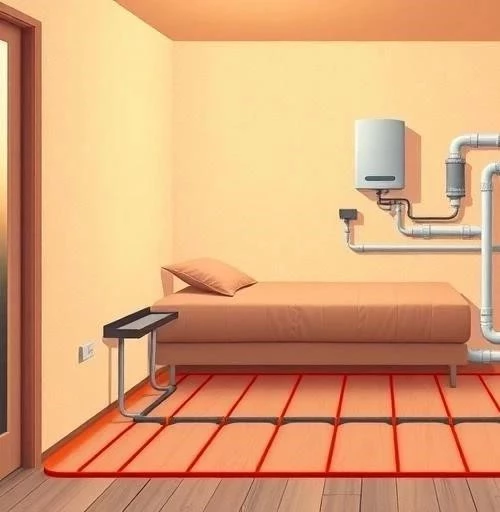
Low-temperature heating supplies rooms with the heat they need while using water at a lower temperature than conventional radiator systems. It can improve heating efficiency, but only when the equipment, controls and building work together. Correct design and routine care help maintain comfort and extend the service life of the heating system.
Match the system to the building
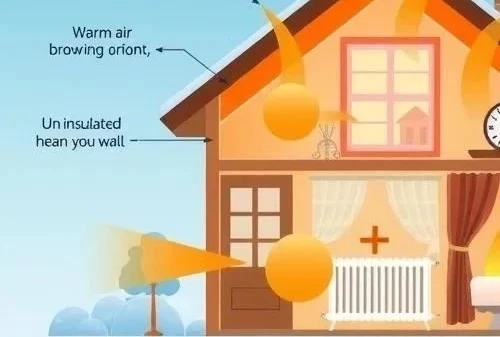
Before choosing equipment, assess the building’s heat loss, insulation, windows and ventilation. Better home insulation reduces the heat output required and helps maintain a stable indoor temperature. Underfloor heating and low-temperature radiators are designed to work with cooler water; existing radiators may need larger surfaces or other adjustments. A heat pump and a condensing boiler can both operate efficiently at lower water temperatures, provided they are correctly selected and configured.
Set temperatures and controls carefully
The temperature of the heating medium should be no higher than necessary to meet demand. Follow the manufacturer’s instructions and use a heating temperature curve that reflects outdoor conditions and the building’s response. Weather-compensated controls can adjust the flow temperature automatically, reducing unnecessary overheating. Check both the flow and return temperatures: their difference offers useful information about heat transfer and circulation. Make changes gradually, then allow the system time to respond.
Boiler operating mode should suit the system and the season. With a condensing boiler, a cooler return often supports condensation and efficient operation. A heat pump also generally performs better when it can deliver heat at a lower flow temperature. Do not apply one universal setting: the appropriate values depend on the equipment, emitter type, design and outdoor conditions.
Balance and circulate the water properly
Hydraulic balancing distributes water in proportion to each room’s heating demand. Without it, nearby emitters may become too hot while distant rooms remain cool. A qualified technician can adjust valves and verify circulation. The circulation pump should be set to provide adequate flow without excessive noise or energy use. Keep the heat exchanger and filters clean, and do not alter safety devices or pressure settings without following the manual or consulting a professional.
Protect water quality and components
Water quality affects the whole system. Follow the equipment maker’s guidance on filling, inhibitors and treatment; unsuitable water can encourage corrosion, deposits or blockages. Preventing scale is especially important where hard water or repeated topping-up is an issue. Do not add chemicals without checking compatibility with pipes, seals, boilers and heat pumps. Persistent pressure loss, discoloured water, leaks, unusual noise or uneven heating should be investigated rather than repeatedly corrected by adding fresh water.
Maintain the system regularly
Regular heating maintenance should include checks of pressure, valves, controls, filters, pumps and visible joints. The need for system flushing depends on water condition, contamination and manufacturer recommendations; it is not automatically required every year. A professional can determine whether flushing is appropriate and carry it out without damaging components. Keep service records and follow the specified inspection intervals. These operating rules help protect the equipment and support reliable performance.
Low-temperature heating works best when the building has suitable insulation, the circuit is balanced and controls are configured for actual demand. Correct water temperature, sound water quality and planned maintenance can reduce energy use and avoid unnecessary component stress. Together, these measures support dependable comfort and help extend the service life of the heating equipment.


5 Comments. Оставить новый
The discussion of flow and return temperatures provides helpful context for understanding system performance. The reminder to make changes gradually is also practical.
This is a balanced overview of insulation, controls and equipment selection. It appropriately notes that suitable settings depend on the particular system and conditions.
The focus on matching heating output to room demand gives the guidance practical value. The advice is presented in a clear and neutral manner.
The article clearly explains why a low-temperature heating system needs to be matched to the building and its heat emitters. Its emphasis on careful system design is useful.
The article makes a useful distinction between heat pumps and condensing boilers while explaining their shared potential to operate efficiently at lower water temperatures.