
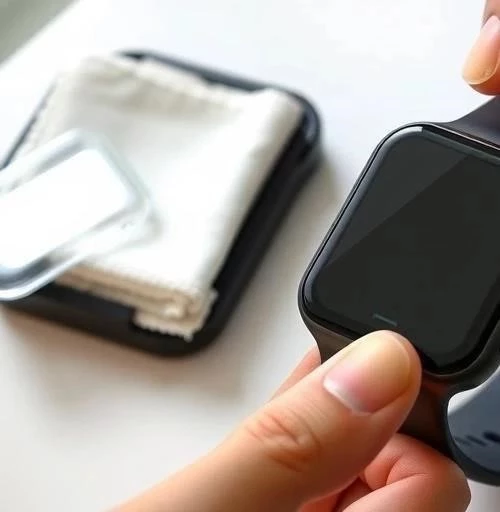
Apple Watch is made for everyday wear, but desks, doorframes, gym equipment, grit and other hard surfaces can leave marks on its display or case. A few simple habits can reduce the risk without making the watch uncomfortable to use. The best approach depends on your model, how you wear it and the activities you do.
Know which parts need protection
The display and the case are separate surfaces, and their materials vary by model. Many aluminum models use strengthened glass, while some stainless-steel and titanium models have sapphire crystal. Sapphire is highly scratch-resistant, but it is not indestructible: a sharp impact can still chip or crack it. Metal cases can also pick up scuffs, and their finishes may show marks differently. Check Apple’s specifications for your exact watch rather than assuming every model has the same level of protection.
Choose a screen protector thoughtfully
A thin film protector can help guard against light scratches from daily contact. A tempered-glass protector offers a firmer barrier, but may add a visible edge or slightly change the feel of the screen. Choose one designed for your specific case size and generation; a poorly fitted protector can lift, trap dust or interfere with touch response. Clean the display carefully before installation and follow the maker’s instructions. Replace a protector that is cracked, peeling or obscures the screen.
Protectors are optional, not a guarantee against damage. They can reduce everyday wear, but may not prevent a crack from a hard fall. If you prefer the original look and feel, consider using protection only during higher-risk activities.
Use a case when the risk is higher
A slim bumper or case can shield the edges and sides from knocks against furniture, tools or sports equipment. Make sure it fits your model, does not press the Digital Crown or side button, and leaves the speaker and microphone openings clear. A bulky or poorly ventilated case may hold moisture or debris against the watch. Remove it occasionally and clean both the case and watch, especially after exercise or outdoor use.
For contact sports, climbing, DIY projects or work around rough materials, a more protective case may be sensible. For swimming, check that the accessory is suitable for water and does not interfere with the watch’s seals. A case cannot make a damaged or unwater-resistant device safe for immersion.
Build scratch-conscious habits
- Wear the watch snugly enough that it does not swing into tables or doorframes, but not so tightly that it causes discomfort.
- Take it off before activities involving metal tools, weights, abrasive surfaces or repeated impacts.
- Keep it apart from keys, coins and other hard objects in a bag or drawer. Store it in a soft pouch when travelling.
- When placing it on a desk, set it down gently with the display facing up and away from grit.
- Be mindful around sand, dust and stone. Tiny particles can abrade a surface when rubbed across it.
Clean it without causing damage
Dust and grit can act like abrasives, so do not wipe a dirty screen with a dry sleeve. First remove the watch from its charger and, if appropriate, switch it off. Follow Apple’s current cleaning guidance for your model: use a soft, lint-free cloth, and lightly dampen it with fresh water when needed. Dry the watch and band before putting them back on. Avoid paper towels, rough fabrics, household cleaners, solvents, compressed air and abrasive products. Do not push debris into openings or use sharp objects to scrape marks away.
If a mark does not come off with gentle cleaning, it may be a scratch rather than dirt. Polishing compounds can damage coatings or finishes, so do not use them unless Apple specifically recommends a method for your model. For a crack, chipped glass or a deep case mark, contact Apple or an authorized service provider instead of attempting a repair at home.
Keep protection practical
Inspect the display, case and any protector from time to time. Replace damaged accessories, and remove grit trapped beneath them before it rubs against the watch. A protector or case works best when clean and correctly fitted; piling on accessories is not automatically safer. Choose the lightest level of protection that suits your routine, then add extra coverage for activities with a higher chance of impact or abrasion.
In short: keep the watch away from abrasive particles, store it separately from hard objects, clean it gently, and use a well-fitted protector or case when your daily activities call for one. These steps will not make Apple Watch scratch-proof, but they can help it stay in better condition for longer.