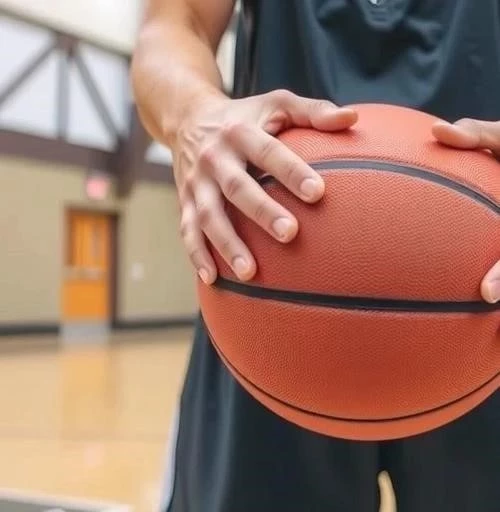
A basketball that is inflated correctly is easier to control, pass, and shoot. A ball that is too soft may feel sluggish and bounce unpredictably; one that is overinflated can feel unusually hard and may be difficult to handle. The most reliable check is a pressure gauge, but a simple bounce test can help when a gauge is not available.
Check the recommended pressure
Look for the pressure range printed near the ball’s valve or on its packaging. The correct pressure depends on the ball’s model and intended use, so follow the manufacturer’s guidance rather than relying on a single figure for every basketball. The number is usually given in pounds per square inch (PSI), sometimes alongside kilopascals (kPa).
Use a pressure gauge
- Use a ball pump with a gauge, or a separate pressure gauge designed for sports balls.
- If using a separate gauge, moisten the inflation needle with water or a little valve-safe lubricant. This helps it enter smoothly and reduces the risk of damaging the valve.
- Insert the needle straight into the valve. Avoid forcing or twisting it sharply.
- Read the pressure and compare it with the range marked on the ball.
- If the reading is low, add air in short bursts and check again. If it is high, release a small amount of air through the valve, then recheck.
Do not inflate by guesswork once the ball feels firm. A small amount of additional air can make a noticeable difference, and excessive pressure may strain the ball’s seams or bladder. Remove the needle carefully after each check.
Try a bounce test
When a gauge is unavailable, use the bounce test as a practical estimate. Hold the ball at shoulder height—about 1.8 metres (6 feet)—and drop it onto a hard, level surface. A properly inflated basketball will generally rebound to around waist height, approximately 1.2 metres (4 feet). Repeat the test a couple of times to make sure the result is consistent.
This is only a rough check. The bounce height varies with the surface, the ball’s material, temperature, and the height and manner of the drop. A gym floor, outdoor concrete, and a soft surface will not produce identical results. Use the same surface and drop height each time, and rely on the pressure specification when accuracy matters.
Check the feel and condition
Press the ball gently with your thumbs. It should feel firm, with a little give, rather than soft or easily dented; This test is subjective, so it should not replace a gauge. Also inspect the ball for cuts, bulges, loose seams, or a damaged valve. A ball that loses firmness soon after inflation may have a leak or valve problem.
If pressure seems to be escaping, inflate the ball and listen near the valve for a hiss. You can also apply a little soapy water around the valve and look for growing bubbles. Wipe the ball dry afterward. Persistent leakage may require repair or replacement; adding more air repeatedly will not fix the cause.
Helpful reminders
- Check pressure at room temperature when possible; temperature changes can affect the reading and the ball’s feel.
- Use a needle made for sports balls, and keep it straight while inserting and removing it.
- Recheck the pressure periodically, especially before games or after long storage.
- Avoid leaving a basketball in very hot or cold conditions for extended periods.
In brief: compare a gauge reading with the pressure range printed on the ball. If no gauge is available, use a controlled bounce test and a gentle feel check as estimates. Correct inflation helps the ball perform consistently and reduces unnecessary wear.