
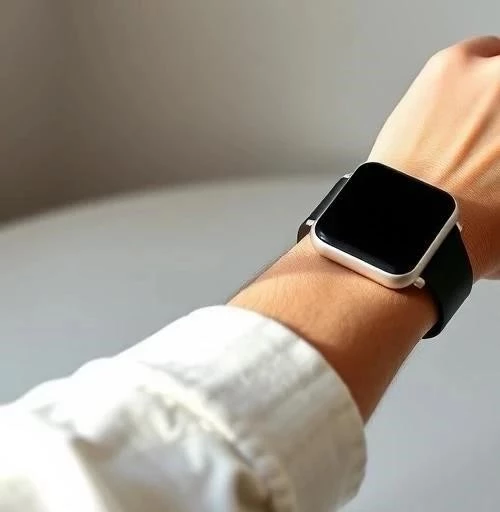
Wearing an Apple Watch properly is more than a matter of style․ A secure, comfortable fit helps the watch track movement and heart rate reliably, while the right band and position reduce irritation during everyday use․ The goal is simple: keep the sensors in contact with your skin without making the watch uncomfortably tight․
Choose the right position and fit
Wear the watch on the top of your wrist, just above the wrist bone․ The back of the case should rest flat against your skin․ If it slides around, lifts when you bend your wrist, or loses contact during exercise, tighten the band slightly․ It should feel snug, not constricting: you should be able to move your wrist freely and slide a finger beneath the band without difficulty․
A watch worn too loosely may produce less consistent heart-rate readings, especially during workouts․ However, tightening it excessively can cause pressure, redness, or discomfort․ If your skin becomes irritated, take the watch off, clean and dry both your wrist and the device, and allow the skin to recover before wearing it again․
Adjust the fit to the activity
- For everyday wear: Choose a comfortable fit that keeps the case in steady contact with your wrist․ You should not need to keep repositioning it․
- For workouts: Secure the band a little more firmly so the watch does not move as your arm swings․ After exercising, loosen it again if needed․
- For sleep: Wear it comfortably snug, but not tight․ A band that presses into your skin can disturb sleep and leave marks․
- For changing conditions: Heat, movement, and perspiration can affect comfort․ Check the fit periodically rather than fastening the band as tightly as possible․
Pick a suitable band
Use a band designed for your Apple Watch model and sized for your wrist․ A sport band is practical for exercise because it is easy to clean; fabric or leather may feel more suitable for daily or dress wear, but materials differ in how they handle sweat and moisture․ If a band rubs, pinches, or leaves persistent marks, adjust it or try another material․ A stylish band is not a good choice if it makes the watch uncomfortable to wear․
Keep the watch and skin clean
Sweat, soap, lotion, and dirt can collect beneath the case or band․ Remove the watch regularly, especially after exercise, and clean and dry it according to Apple’s care instructions․ Make sure your wrist and the back of the watch are dry before putting it on again․ Avoid wearing it over a sleeve: fabric between the sensors and skin can interfere with readings․
Check readings and comfort
If heart-rate or activity measurements seem inconsistent, first check that the watch is positioned above the wrist bone and that the sensors touch your skin․ Tattoos beneath the sensors can sometimes affect optical readings, so trying the other wrist may help․ You can also set the wrist and Digital Crown orientation correctly in the watch settings․ These adjustments are more sensible than simply tightening the band further․
In short: wear Apple Watch above the wrist bone, with its back against your skin and a secure but comfortable band․ Recheck the fit for exercise, keep the device clean and dry, and let comfort guide adjustments․ A well-fitted watch is easier to wear consistently—and more likely to provide useful readings․

9 Comments. Оставить новый
The band recommendations are appropriately practical, especially the reminder that materials vary in how they handle sweat and moisture. That detail can help people choose a band for their routine.
I found the workout guidance particularly helpful. A slightly firmer fit during exercise, followed by loosening it afterward, balances tracking needs with comfort.
This article offers useful, easy-to-apply checks for fit, from positioning the watch above the wrist bone to making sure it stays in contact without pressing too hard.
The article does a good job explaining why tightening the band as much as possible is not the answer. Comfort and steady contact both matter for everyday use.
The advice about skin irritation is sensible. Cleaning and drying both the watch and wrist, then allowing the skin to recover, is a helpful reminder for regular wearers.
The explanation is straightforward and avoids treating discomfort as a normal part of wearing a watch. The advice to let irritated skin recover is especially responsible.
This is a clear guide to getting a more dependable fit. The suggestion to check whether the watch shifts or lifts during movement gives readers an easy way to assess it.
The distinction between a snug fit and an overly tight one is useful. It explains how to maintain sensor contact without sacrificing comfort or restricting wrist movement.
I appreciate that the article addresses different situations, including workouts and sleep. Adjusting the fit to the activity is more practical than relying on one setting all day.