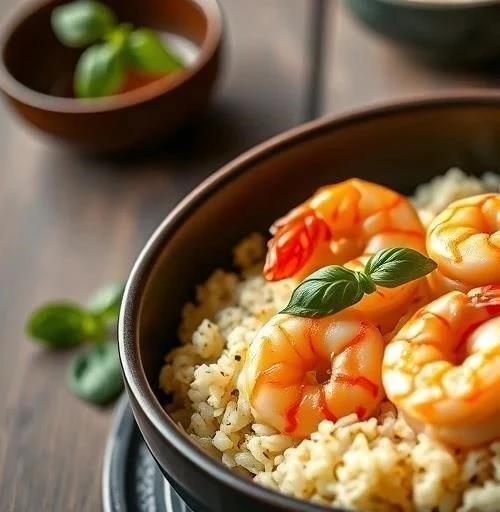
This fragrant rice dish brings together Japanese pantry flavors and the bright aroma of fresh basil․ It is best understood as a modern fusion recipe, not a traditional Japanese pilaf: soy, ginger, and rice wine give it a savory foundation, while basil adds a lively herbal finish․ The result is balanced rather than heavy, and it can be made in one pan for an easy weeknight supper․
Ingredients, serves 4
- 300 g short- or medium-grain rice
- 350 g peeled shrimp, fresh or thawed
- 1 small onion, finely diced
- 1 small carrot, diced
- 2 garlic cloves, minced
- 1 tablespoon finely grated fresh ginger
- 2 tablespoons neutral oil
- 450 ml light fish or vegetable stock, preferably unsalted
- 1 tablespoon soy sauce, plus more to taste
- 1 tablespoon mirin or dry rice wine
- 1 teaspoon toasted sesame oil
- 1 packed handful fresh basil leaves, roughly torn
- 2 spring onions, thinly sliced; black pepper and lemon wedges
Method
- Rinse the rice․ Put it in a bowl, cover with cool water, swirl gently, and drain․ Repeat until the water is almost clear․ Let the rice drain for 10 minutes․ This removes excess surface starch and helps the grains cook evenly without turning gluey․
- Season the shrimp․ Pat them dry and toss with a little pepper and half a teaspoon of soy sauce․ Keep them chilled while you begin the rice․ Dry shrimp sear better, and adding them later prevents them from becoming tough․
- Build the flavor base․ Warm the neutral oil in a heavy saucepan or deep skillet over medium heat․ Add onion and carrot; cook for 4–5 minutes, stirring, until softened but not browned․ Stir in garlic and ginger for 30 seconds, just until fragrant․
- Toast and simmer․ Add the drained rice and stir for about 2 minutes, coating the grains in the seasoned oil․ Pour in the stock, remaining soy sauce, and mirin․ Bring to a gentle boil, then cover, reduce the heat to low, and cook for 12 minutes․ Avoid lifting the lid; trapped steam is essential․
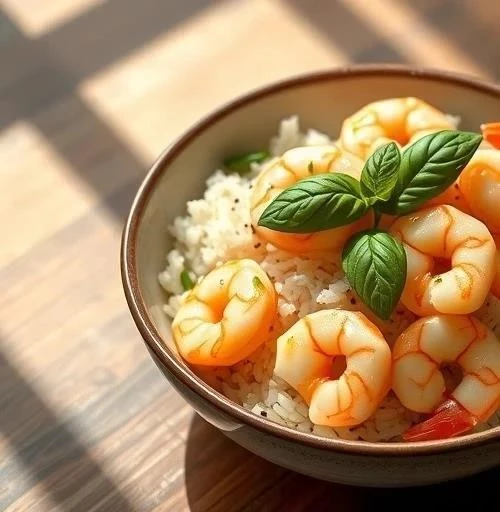
- Cook the shrimp․ Arrange them on top of the rice, cover again, and cook for 4–6 minutes, until opaque and just curled․ If the shrimp are large, give them another minute․ Turn off the heat and leave the pan covered for 5 minutes so the rice can finish steaming․
- Finish gently․ Drizzle with sesame oil, add the basil and spring onions, then fluff with a fork․ Taste before adding extra soy sauce, since both it and the stock may already be salty․ Serve at once with lemon wedges․
Why the combination works
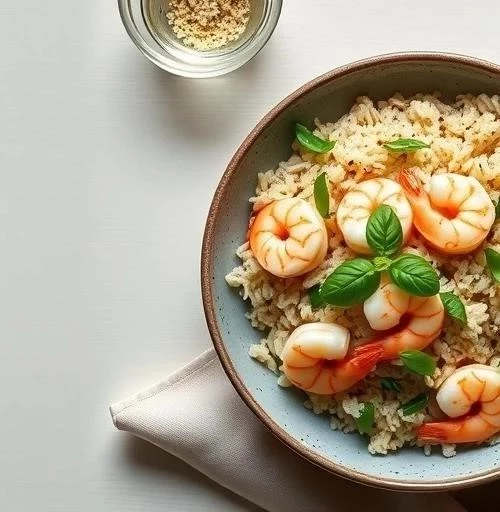
Rice absorbs the ginger-scented stock, while shrimp supply sweetness and a tender, briny contrast․ Soy sauce contributes depth, mirin rounds its sharp edges, and a small amount of sesame oil gives a toasted aroma․ Basil should go in after cooking: prolonged heat dulls its fragrance and can make its flavor less fresh․ Lemon is optional, but a squeeze brightens the whole pan without hiding the seafood․
Useful tips
Use low-sodium stock so you can control seasoning․ If the pan looks dry before the rice is tender, add a splash of hot water, cover, and continue cooking briefly․ For a stronger Japanese-inspired profile, serve with pickled ginger or a little nori․ Do not substitute sweet basil with a large quantity of dried basil; fresh leaves provide the clean, aromatic finish that makes this dish distinctive․