
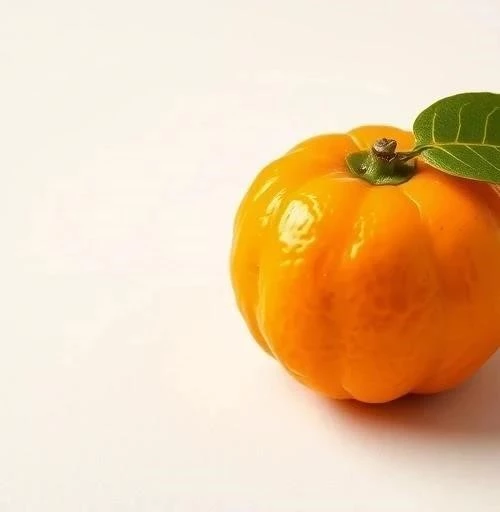
At first glance‚ a kumquat looks like an orange that has been shrunk in a mischievous wash. It is small‚ oval‚ and golden‚ often no bigger than a large olive or a plum. But this tiny citrus fruit has a delightful trick: unlike most of its relatives‚ it is usually eaten whole‚ peel and all. Take a bite‚ and the usual citrus rules flip around. The skin is sweet and fragrant; the juicy centre is sharp‚ tart‚ and bright.
A pocket-sized surprise
The name kumquat comes from Chinese words meaning “golden orange.” The fruit is also known as a kinkán‚ and kumquat plants have been associated with the botanical name Fortunella. Their glossy evergreen leaves and little sun-coloured fruits make the trees look almost decorated‚ as if someone hung tiny lanterns among the branches.
That golden appearance hints at the experience‚ but it doesn’t prepare you for the flavour. First comes a gentle sweetness from the peel. Then the pulp answers with a tangy burst‚ sometimes pleasantly puckering. The contrast is the point: kumquat is not simply a miniature orange. It is a citrus fruit with its own clever arrangement of sweet and sour.
How to meet one
Choose fruit that feels firm and looks bright‚ with smooth skin and no soft‚ damaged patches. Wash it well‚ then roll it gently between your fingers. This helps release the peel’s fragrant oils. Eat it whole‚ or slice it crosswise and remove any seeds you find. If the tartness feels too bold‚ pair it with something sweet; if you love a lively bite‚ enjoy it just as it is.
The peel is edible and is often the most immediately sweet part‚ while the centre supplies the refreshing acidity. That makes the kumquat a tiny culinary balancing act. A few slices can wake up a salad‚ brighten a sauce‚ or add a sparkling note to a drink. Chopped into a bowl of oats or yogurt‚ it brings both colour and a pleasing citrus snap.
From tree to table
In many places‚ fresh kumquats appear in the cooler months‚ with harvests commonly running from November into spring. Their season makes them a cheerful find when winter menus need a little sunshine. Look for them in markets or greengrocers that carry less-common citrus. If fresh fruit is out of season‚ dried kumquats may be available‚ though their texture and concentrated sweetness are quite different.
For a quick sauce‚ slice a handful of kumquats and simmer them gently with lime juice‚ a little brown sugar‚ a splash of water‚ and chopped mint. A touch of balsamic vinegar can add depth. Spoon the glossy mixture over fish‚ roasted vegetables‚ or grains. The fruit’s natural sharpness cuts through rich flavours‚ while the peel softens into fragrant‚ jewel-like ribbons.
Kumquats also make memorable marmalade‚ candied fruit‚ and preserves. Their small size means they look lovely left whole in a jar‚ and their sweet-sour character keeps a syrup from tasting one-dimensional. In some regions‚ kumquat liqueur is a traditional treat. Even without a recipe‚ a bowl of the fresh fruit on a table has the air of a miniature still life: bright dots of gold waiting to be discovered.
Small fruit‚ big stories
People have long found their own uses for kumquats‚ from festive decorations to homemade drinks. Some folk traditions associate them with settling the stomach after a heavy evening‚ but such stories are not a substitute for medical advice. Their real‚ reliable charm is simpler: they are aromatic‚ versatile‚ and wonderfully easy to eat. Like all citrus‚ they can contribute vitamin C and other nutrients as part of a varied diet‚ but no single fruit is a cure-all.
Because the skin is eaten‚ washing is especially important. If citrus tends to irritate you‚ or you have a medical condition that affects your diet‚ try a small amount first and ask a health professional when appropriate. For most curious eaters‚ though‚ the first experiment is delightfully uncomplicated: rinse‚ bite‚ pause‚ and notice how the flavours change.
The golden lesson
A kumquat is a reminder that size tells very little about character. It resembles an orange‚ yet asks you to eat it differently. It is sweet where you expect sour‚ tart where you expect sweetness‚ and small enough to disappear in one bite—unless its bright‚ layered flavour persuades you to reach for another. Put a few in a pocket for a walk‚ tuck slices into a winter salad‚ or simmer them into a sauce. This little golden fruit doesn’t imitate an orange. It turns the citrus story inside out.


5 Comments. Оставить новый
Bright, vivid, and genuinely useful. After reading this, I’m tempted to keep a few kumquats around as edible punctuation for an otherwise ordinary snack.
I appreciate the practical advice, especially the gentle roll before eating. It’s a wonderfully small ritual—like knocking politely before opening the door to a burst of citrus.
A lovely reminder that flavour doesn’t always follow the rules we expect. The kumquat’s sweet-outside, tart-inside arrangement feels like nature’s most compact surprise party.
The image of golden lanterns among glossy leaves is delightful. It turns a simple fruit guide into a little window onto a tree that seems to decorate itself.
This article makes a kumquat sound like a tiny citrus plot twist: the peel smiles sweetly, then the centre raises an eyebrow. I’ll never look at miniature fruit the same way again.