
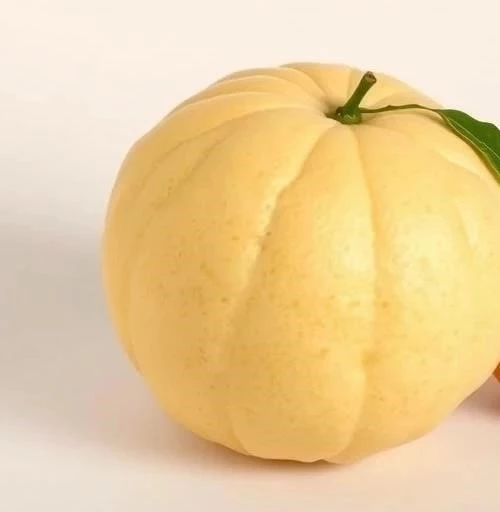
Imagine an orange that went to sea, came back wearing a thick green-gold coat, and grew large enough to make a fruit bowl look like a dollhouse. That is the pomelo: the biggest citrus fruit, with some specimens reaching about 30 centimetres across and weighing up to two kilograms. It is not an orange on stilts, though. It has its own bright, mellow personality.
A citrus with a secret room
Cut through the rind and you meet another layer: a generous cushion of white pith, protecting the juicy segments like walls around tiny sunlit rooms. The peel can be impressively thick, so the fruit’s true treasure is smaller than its dramatic shell suggests. Inside, the flesh may be pale yellow, pink, or reddish. Its flavour is usually sweet-tart and fragrant, often gentler and less sharp than a grapefruit’s.
How to open the giant
Score the peel from top to bottom, then ease it away with your fingers. Remove as much bitter white pith as you like, separate the segments, and peel off their membranes if you prefer a tender, clean bite. The easiest test of ripeness is scent: choose a pomelo that feels heavy for its size and smells fresh and citrusy. A very light fruit may have dried out.
Beyond the breakfast plate
Pomelo is lovely eaten cold, segment by segment, but it can do more than impersonate an oversized orange. Toss it with mint, cucumber, and a little lime for a crisp salad; pair it with chilli and herbs for a lively savoury dish; or scatter its jewel-like pieces over yoghurt. The zest can perfume a dressing, while the peel can be candied—turning the fruit’s bulky “coat” into a fragrant treat.
A bright bite, not a miracle
Like other citrus, pomelo provides vitamin C and fibre, and its juicy flesh makes a refreshing snack. It is food, not medicine: no single fruit can promise to prevent or cure illness. If you take prescription medicines, ask a pharmacist whether pomelo is suitable for you; some citrus fruits can affect how certain medicines work. Anyone with a citrus allergy should avoid it.
So the next time someone asks for an orange, offer them a pomelo. It is part citrus, part edible moon, and entirely capable of stealing the table’s attention—one carefully peeled segment at a time.

3 Comments. Оставить новый
This made me want to treat pomelo like a tiny culinary expedition. Mint and cucumber for a cool route, chilli and herbs for the adventurous one—and candied peel as a fragrant souvenir. A wonderfully vivid guide to a fruit that refuses to be ordinary.
The “not a miracle” note is a thoughtful landing after all that sunshine. I liked how the article celebrates pomelo’s flavour and freshness without turning it into a health promise. Now I’ll be judging one by its scent and heft, like a citrus detective.
The pomelo sounds less like a fruit and more like citrus with its own architecture: a grand rind, a hidden pith corridor, and bright little rooms of flesh. I especially enjoyed the reminder that its impressive coat is only the opening act.