
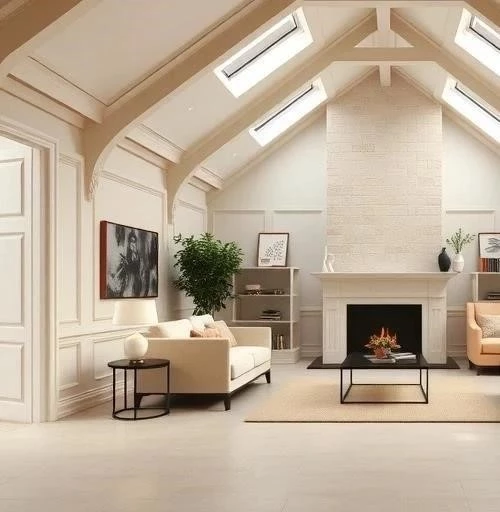
Using porcelain stoneware in an attic interior can bring together durability‚ visual order and practical maintenance․ The material suits floors‚ selected walls and carefully planned feature areas․ However‚ tile alone does not improve room acoustics: hard surfaces reflect sound․ Effective attic-floor finishing therefore considers the roof structure‚ insulation‚ furnishings and the balance between reflective and sound-absorbing materials․
Plan for acoustic comfort
Attic acoustics depend on the shape of the room‚ exposed rafters‚ roof build-up and the amount of soft furnishing․ Sloped ceilings and angled walls can scatter sound unevenly‚ while extensive tile surfaces may increase reverberation․ For acoustic comfort and noise reduction‚ combine hard finishes with rugs‚ curtains‚ upholstered furniture‚ bookshelves or acoustic panels․ Their placement can be coordinated with the room’s zones rather than treated as an afterthought․
Attic sound insulation and the acoustics of a living space are related but distinct․ Insulation within the roof and partitions helps limit sound transmission from outdoors and adjoining rooms; absorptive finishes help control reflections inside․ A specialist can assess the construction before work begins․ Floor soundproofing may require resilient underlay or a suitable floating-floor system‚ selected to match the substrate and tile manufacturer’s instructions․
Choose tile and plan the layout
Porcelain stoneware flooring is practical in circulation areas‚ bathrooms and open-plan attic rooms․ Matte porcelain stoneware reduces glare from roof windows‚ and a natural-stone texture can add depth without competing with architectural details․ Large-format tile creates fewer visible joints‚ but it needs a stable‚ level base and careful installation․ A considered tile layout should account for slopes‚ doorways‚ floor transitions and the position of furniture․
Wall cladding with porcelain stoneware is best used selectively‚ for example around a fireplace or in a bathroom․ Avoid covering every surface with a hard finish‚ as this may make the room sound sharper․ A thoughtful combination of materials—tile‚ painted plaster‚ timber and textiles—supports both visual balance and noise reduction․ These interior solutions for an attic preserve the material’s practical benefits while limiting excessive sound reflection․
Neoclassical character under the roof
A neoclassical style interior can work well in an attic when its proportions are adapted to the roofline․ In a neoclassical attic interior‚ symmetry in the interior may be suggested through paired lamps‚ balanced furniture or aligned wall panels‚ rather than imposed on an irregular plan․ Classic moldings and restrained stucco decor can frame a focal wall‚ but should be positioned where the ceiling height allows them to remain legible․
A neutral color palette‚ light shades and natural textures help visually open a compact room․ Use porcelain stoneware with a quiet finish so it supports‚ rather than dominates‚ the scheme․ Finishing sloped ceilings in a light paint or subtle texture can keep the geometry clear; acoustic panels may be integrated between beams or designed as discreet wall features․ Space zoning with lighting‚ rugs and furniture can define sleeping‚ working and sitting areas without adding unnecessary partitions․
Coordinate the whole project
Attic design is most successful when appearance‚ construction and sound are considered together․ For country-house finishing‚ check the floor’s load capacity‚ substrate movement‚ ventilation and compatibility of adhesives and underlays before specifying tile․ Test samples in daylight and evening light‚ and review grout color alongside the chosen finish․ With measured use of porcelain‚ soft furnishings and appropriate insulation‚ the attic can retain a composed neoclassical character while supporting comfortable everyday use․


6 Comments. Оставить новый
The suggestions for combining hard surfaces with rugs, curtains and upholstered furniture are clear and practical.
The article presents a measured approach to attic flooring and encourages planning for both maintenance and indoor comfort.
The article gives a balanced overview of porcelain stoneware’s practical benefits and the need to consider acoustics alongside appearance.
It is helpful that the article notes the importance of a stable, level base for large-format tile, especially in an attic renovation.
The discussion of tile layout accounts for details that can affect the finished result, including doorways, slopes and floor transitions.
The distinction between sound insulation and sound absorption is useful. It helps clarify why a tile finish alone cannot resolve acoustic issues in an attic.