
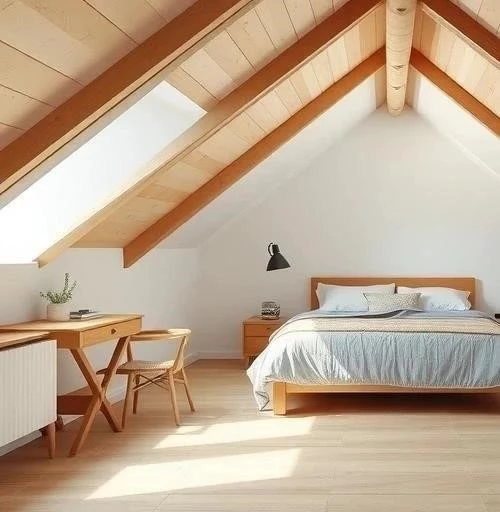
Porcelain stoneware can make an attic feel calm‚ refined and durable—but only when its weight‚ layout and surface suit the building․ A premium result is not simply an expensive tile: it is a coherent design supported by sound construction․
Start with the structure‚ not the sample
The first mistake is choosing tile before checking floor strength․ Porcelain stoneware adds a substantial load to joists‚ so confirm the floor’s capacity with a qualified professional before planning extensive floor cladding․ A beautiful finish cannot compensate for a weakened structure․ Prepare a stable‚ level substrate; flexible adhesive alone will not correct movement or poor preparation․
Attic insulation‚ waterproofing and a continuous vapour barrier also matter․ Poor ventilation‚ moisture trapped in the roof build-up and temperature swings can cause damage even when the visible work looks flawless․ Allow for thermal expansion with correctly positioned movement joints‚ including at transitions and around the perimeter․
Choose a finish that fits the room
In Scandinavian style‚ a light colour palette‚ natural materials and visual restraint help make sloping rooms feel larger․ Light porcelain stoneware with a matte surface can reflect daylight without glare; stone-like texture adds depth‚ while wood-effect tile can echo timber beams․ Yet using the same tile everywhere may make an attic feel cold․ Combining tile and real wood—rather than imitating every surface—often creates a more convincing premium interior․
Format matters too․ Large tiles can reduce grout lines and support minimalism‚ but they demand a very flat base and careful handling․ On narrow floors or sloping walls‚ an unsuitable format creates awkward cuts and visual clutter․ Plan the tile layout before installation‚ aligning joints with architectural lines and placing cut pieces where they are least noticeable․ Use wall cladding on slopes selectively: excessive tile can make a low ceiling feel heavy․
Installation details are not optional
Common installation errors include using the wrong adhesive‚ skipping movement joints‚ uneven spacing and rushed cutting․ Choose adhesive specifically rated for porcelain stoneware and the substrate․ Keep consistent grout joints‚ select grout compatible with the room’s conditions‚ and use slip-resistant porcelain on floors where moisture may occur․ Accurate cutting around beams‚ windows and roof angles is essential; chipped edges quickly spoil an otherwise premium finish․
Finally‚ design attic lighting before fixing the layout․ Daylight and layered artificial light reveal texture and colour‚ while poorly placed fixtures exaggerate unevenness․ The strongest design combines technical planning with restraint: suitable tile‚ precise installation and warm timber details create a durable finish‚ visual spaciousness and a genuinely premium Scandinavian interior․


6 Comments. Оставить новый
The section on tile format is useful because it connects appearance with installation demands. Large tiles can look clean and modern, but the reminder about a level base and careful layout helps set realistic expectations.
The article makes a convincing case for checking structural capacity before choosing porcelain stoneware. That practical priority is especially important in attics, where floor strength can vary and the weight of a finish is easy to underestimate.
I appreciate that the discussion treats moisture control and ventilation as part of the design rather than as afterthoughts. These details may be less visible than the tile, but they can determine whether the finished space remains sound over time.
This is a well-reasoned overview of the choices involved in attic tiling. Its strongest point is that an attractive finish depends on sound preparation, suitable materials and attention to the building’s particular conditions.
The article offers practical guidance without treating premium design as a matter of price alone. Its emphasis on proportion, substrate preparation and movement joints makes the aesthetic recommendations more credible.
The advice on balancing light finishes with natural materials is thoughtful. It recognizes that a visually consistent scheme can still feel cold, and that combining tile with real wood may create a more comfortable and authentic interior.