
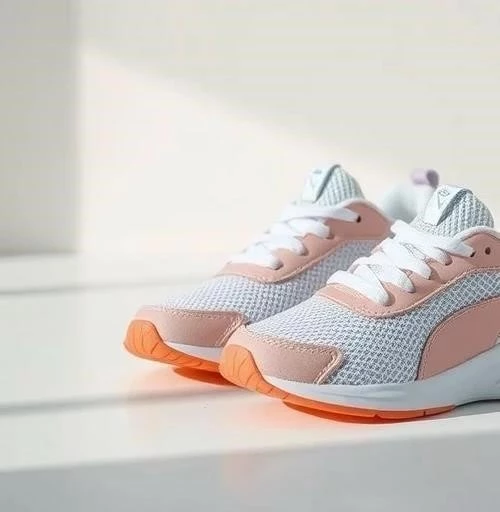
Children’s everyday sneakers have a demanding job․ They may be worn on the walk to school, during recess, and on the way home, so comfort, grip, durability, and fit matter more than impressive-sounding claims․ Puma uses a range of cushioning, upper, and outsole technologies across its footwear․ These features can make a shoe more suitable for daily activity, but no single technology makes every model right for every child․ The best choice depends on the child’s feet, routine, and the particular shoe․
Cushioning: comfort without overpromising
Puma models may use foam systems such as SOFTRIDE or PROFOAM, while other shoes use simpler EVA-based midsoles․ Their purpose is to soften impact and make walking or running feel more comfortable․ That can be useful for children who spend many hours on their feet․ However, cushioning is not a substitute for a good fit: a soft shoe that slips at the heel or squeezes the toes is still a poor choice․ Nor should parents assume that a thicker or more responsive sole automatically improves posture or prevents injury․ Those outcomes depend on many factors, including fit, activity, and the individual child․
Some Puma running-inspired styles use NITRO foam․ It is designed to be lightweight and responsive, but it is not present in every children’s sneaker and may be unnecessary for ordinary school wear․ For many families, a secure, comfortable shoe is a more practical priority than a premium performance feature․
Uppers, support, and fit
Mesh and textile uppers can help keep a shoe light and allow airflow, which is welcome during active play․ Synthetic overlays may add structure in high-wear areas, while laces, straps, or elastic closures help hold the foot in place․ These details are not interchangeable: a breathable upper may feel comfortable in warm weather, but its durability and protection vary by model․ Likewise, a convenient hook-and-loop strap can help a young child put shoes on independently, although the closure must still hold firmly․
Children’s feet grow, so fit deserves more attention than a technology label․ Check both feet while the child is standing, allow a little room in front of the longest toe, and make sure the heel does not slide excessively․ The shoe should feel secure without pinching․ A child’s feedback matters, but it is helpful to check the fit again periodically; growth can make a previously comfortable pair too small sooner than expected․
Outsoles and everyday grip
Rubber outsoles, including Puma’s PUMAGRIP on selected models, are intended to provide traction․ Grip can help on ordinary indoor and outdoor surfaces, but performance depends on the outsole pattern, material, surface, and condition of the shoe․ A running shoe designed for pavement may not be ideal for wet grass or rough trails․ Parents should match the model to the child’s usual activities rather than treating a technology name as a guarantee against slipping․
Flexibility also matters․ A sole that bends naturally near the forefoot can feel more comfortable for walking, while a stable heel and a secure fastening can help the shoe stay in place․ There is no need to seek maximum stiffness or maximum softness: everyday footwear should allow natural movement while feeling supportive and secure․
Durability, care, and value
Reinforced toe areas, sturdy stitching, and rubber contact zones can help a sneaker withstand daily use․ Yet durability depends on construction and how the child uses the shoe; no branded feature prevents scuffing or wear․ Easy-clean materials may be valuable for school, while machine washing should only be used if the care instructions permit it․ Regularly airing shoes and checking the sole and seams can help families notice when a pair is worn out․
Price should be judged against real needs, not a list of technologies․ A more expensive model may offer lighter foam or a specialized outsole, but those advantages have little value if the child dislikes the fit or wears the shoes only for short trips․ Conversely, a well-fitting, simpler Puma model may be the better everyday purchase․
A practical conclusion
Puma’s cushioning foams, breathable textiles, secure closures, and grip-focused outsoles can contribute to comfortable children’s sneakers․ Their benefits are model-specific, and marketing terms should be treated as descriptions of design, not proof that a shoe is universally superior․ Compare the actual construction, try the shoes on with the socks the child will wear, and let comfort and secure fit guide the decision․ For everyday use, the most useful technology is the one that supports the child’s routine without distracting from those essentials․
8 Comments. Оставить новый
I appreciate that the article does not present premium technology as essential for school shoes. A child’s routine and comfort should guide the choice, and many families may reasonably prefer a simpler model that fits well.
The comparison between everyday foam options and more performance-oriented cushioning is clear without being overly technical. The point that a responsive sole may be unnecessary for ordinary school wear makes the advice feel realistic.
Overall, this is a thoughtful overview that treats footwear features as factors to consider rather than guarantees. Its emphasis on the child’s individual feet and daily activities is a strong basis for making a sensible choice.
The caution against assuming that cushioning prevents injury is especially important. It keeps the article grounded and avoids turning a product feature into a medical promise.
This is a useful, balanced guide because it distinguishes cushioning from fit. Parents can easily be drawn to claims about foam, but the reminder to check heel security and toe room is more practical for everyday decisions.
The discussion of different upper materials is helpful because breathability, structure, and durability are separate considerations. It encourages readers to assess the particular shoe rather than assume that one material is best in every situation.
This article gives parents a sensible checklist: consider fit, comfort, activity, and how the shoe is fastened. I would also encourage trying shoes on later in the day, when feet may be slightly larger, as part of that fit check.
I like the attention to children’s independence with closures such as straps, while still noting that convenience does not replace a secure fit. That practical detail is relevant to families choosing shoes for younger children.