
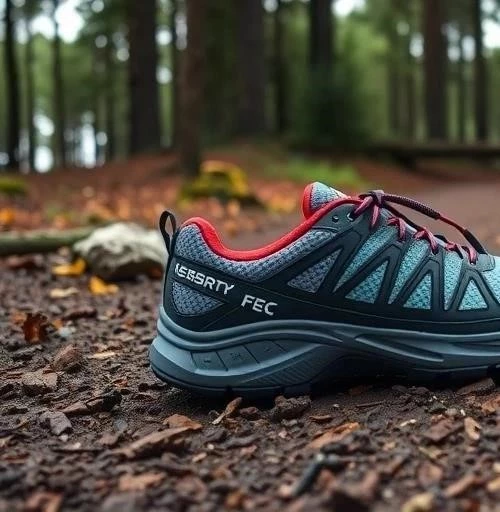
Puma’s trail-running range covers several distinct needs, from fast training on maintained paths to longer outings over uneven ground․ Its most relevant models include the Fast-Trac Nitro and Voyage Nitro families, although names, specifications and availability can vary by season and market․ For professional runners, the choice is less about a single “best” shoe than about matching cushioning, grip, fit and protection to the terrain and intended session․ A shoe that feels efficient on dry forest tracks may be less suitable for steep, wet rock or prolonged technical descents․
Technology and construction
Nitro foam is Puma’s principal cushioning technology․ It is designed to provide a relatively light, responsive platform, but ride and firmness differ between models and generations․ The amount and placement of foam affect stability as well as comfort: a more cushioned shoe can help on long, repetitive routes, while a lower, firmer platform may offer a more direct ground feel․ Professionals should assess the actual version available rather than assume that every shoe carrying the Nitro name has the same geometry or performance․
Several Puma trail models use PUMAGRIP ATR rubber, a compound intended for traction beyond paved surfaces․ Outsole pattern, lug depth and spacing are equally important․ Wider-spaced lugs can release mud more readily, whereas a denser pattern may feel smoother on hard-packed trails․ No outsole guarantees grip on every surface: wet roots, polished stone, loose scree and deep mud place different demands on rubber and tread․ A runner’s technique, pace and foot placement remain important factors․
Fast-Trac Nitro: a lighter, versatile option
The Fast-Trac Nitro is generally positioned as a comparatively agile trail shoe for shorter to medium-distance runs and faster sessions․ Its appeal to experienced runners is a balance of cushioning, flexibility and a less substantial feel than some maximum-cushion designs․ On firm dirt, gravel and mixed park trails, this type of construction can support changes of pace without feeling excessively bulky․ It may also suit training where the route includes brief stretches of pavement, though it is not a substitute for a dedicated road shoe․
Trade-offs depend on the specific generation․ A lighter build may provide less underfoot protection or structure than a more substantial shoe, particularly when a route includes sharp stones, prolonged descents or a heavy pack․ Runners who need a highly secure platform on technical terrain should check the fit at the heel and midfoot and consider whether the forefoot has adequate protection․ The Fast-Trac is best evaluated as a versatile training tool, not as a specialist shoe for every mountain condition․
Voyage Nitro: cushioning for longer outings
The Voyage Nitro range is oriented toward greater comfort and support over longer distances․ Its more substantial cushioning can be useful for high-volume training, extended trail runs and runners who prefer a softer platform․ Compared with a lighter, more stripped-back model, a shoe in this category may feel more protective over repeated impacts․ That benefit can be relevant when fatigue changes a runner’s stride, although cushioning alone does not prevent injury or compensate for unsuitable training loads․
Added volume and protection may come with a less nimble sensation on narrow, technical trails․ Professionals should test how the shoe behaves during cornering, quick direction changes and descents, rather than judging it only on a level path․ The upper should hold the foot without pressure across the toes, and the lacing should limit forward movement on downhill sections․ For ultra-distance use, comfort over several hours matters more than an initially impressive feel in a short shop test․
Fit, stability and protection
Fit is a major variable across Puma models and can also change between versions․ Runners with broad feet should check forefoot width and upper stretch; those with narrow heels should assess heel security․ A technical trail shoe should allow enough toe room for swelling and downhill movement while keeping the foot from sliding inside the shoe․ Testing with the socks and insoles intended for training is useful․ Where possible, compare sizes late in the day, when feet may be slightly larger․
Professionals should also consider torsional stability, heel hold, toe protection and the flexibility of the sole․ More structure can increase confidence on rough ground but may feel restrictive on smoother trails․ A rock plate, where included, can reduce the sensation of sharp impacts, but it does not make a shoe impervious to injury or eliminate the need for careful foot placement․ Check product specifications for the exact edition; protective features are not uniform across the entire range․
Performance by terrain and use
- Hard-packed trails and gravel: A lighter model such as the Fast-Trac may feel efficient, especially for tempo work and mixed-surface training․
- Longer, moderate routes: The Voyage family may suit runners who value a more cushioned ride and additional comfort over time․
- Wet or highly technical terrain: Evaluate lug design, rubber contact and foot security in person․ Puma’s trail outsole is not a guarantee of dependable grip on every wet surface․
- Road-to-trail sessions: A versatile trail shoe can handle short paved connections, but frequent road mileage may wear lugs faster and feel less smooth than a road model․
Durability and professional use
Service life depends on mileage, runner weight, surface, pace and storage․ Abrasive rock can wear rubber and upper fabrics more quickly than forest paths, while frequent pavement running may round off lugs․ Professionals should inspect the outsole, midsole compression, seams and upper after regular use․ Rotation between shoes can help distribute wear and provide different options for workouts, but a rotation is not a requirement․ Replace a pair when traction, fit or cushioning no longer meets the demands of the runner’s sessions, rather than relying on a fixed mileage figure alone․
How Puma compares as a choice
Puma’s main strengths in this category are the combination of Nitro cushioning, dedicated trail outsoles on selected models and options with different levels of weight and protection․ The range can offer a practical choice for runners who want a responsive shoe for mixed training or a more cushioned option for longer outings․ Its limitations are equally relevant: model availability may be uneven, fit preferences are individual, and outsole performance must be judged against the runner’s actual terrain․ Comparisons with other brands should use equivalent models and conditions, not general brand claims․
Verdict
Puma trail shoes can serve professional runners well when the model is matched to the route and the individual’s preferences․ The Fast-Trac Nitro is the more logical starting point for agile training on moderate trails, while the Voyage Nitro is worth considering for longer efforts where cushioning is a priority․ Neither category should be assumed to cover every technical, weather or distance requirement․ Before committing to competition or high-volume use, test the shoe on familiar terrain, confirm fit under fatigue and verify the specifications of the exact model year․
1 Comment. Оставить новый
The article offers a useful overview of how cushioning, outsole design and terrain affect trail-shoe selection. Its emphasis on comparing specific models and versions is helpful, since performance can vary across generations and running conditions.