
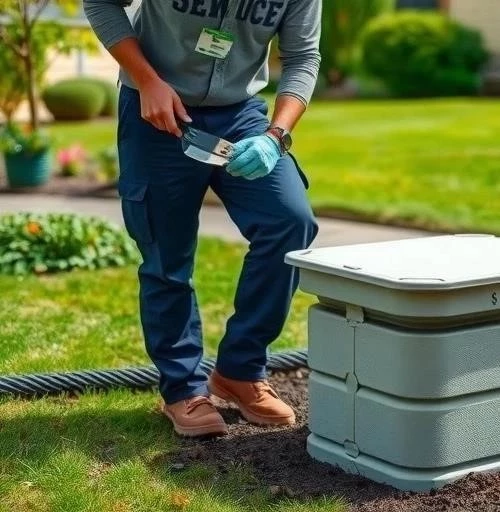
A septic system can work reliably for decades, but only when its design and daily use are treated as parts of one system․ Regular septic tank maintenance is not an optional extra: it helps prevent costly failures, protects groundwater and extends the service life of the tank․ A sensible routine combines inspection, careful water use and timely cleaning rather than waiting for sewage to back up․
Inspect and clean on a schedule
Arrange a septic tank inspection every one to three years, with the interval adjusted for tank size, household occupancy and water use․ A professional can measure the sludge level, check baffles and identify leaks or damage before they become emergencies․ Pumping is needed when the measured solids reach the level specified by the technician—not simply because a fixed number of years has passed․ A vacuum truck should remove the waste; opening or entering a tank yourself is dangerous because toxic gases and low oxygen can be fatal․
Septic tank cleaning should also include an assessment of outlet filters and pipes․ Filter cleaning prevents solids from reaching the drainage system, where they can block soil pores and cause wastewater to surface․ If your property uses a leaching well, keep its access clear and have it checked as part of the same visit․ Pumping too often can waste money, but delaying it can overload the system; measured inspection provides the sounder basis for action․
Use the system carefully
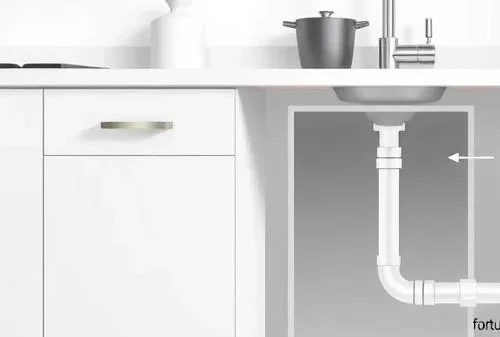
Clog prevention begins indoors․ Do not flush wipes, sanitary products, cooking grease, coffee grounds, medicines or harsh chemicals․ Toilets are not rubbish bins, and sinks should not be used to dispose of fats․ These septic use rules protect pipes and the biological process that treats wastewater․ Spread laundry and bathing across the week: sudden water surges can carry solids out of the tank before they settle․ In other words, reducing the load on the septic tank is often cheaper than repairing damage later․
Septic bacteria break down organic matter, but they cannot compensate for misuse or an undersized tank․ Biopreparations for cleaning may be useful in specific cases, yet routine doses are not a substitute for pumping or professional advice․ Choose products intended for septic systems and avoid claims that promise to eliminate maintenance altogether․ Good sewer care relies primarily on what enters the pipes and how much water enters at once․
Protect the site and respond to warning signs
Keep vehicles, heavy equipment and deep-rooted trees away from the tank and drainage area․ Maintain septic ventilation and never block vent openings: proper airflow helps gases escape and reduces odor․ Persistent smells, wet ground, slow drains or unusually green grass may indicate a blockage, damaged pipe or loss of tank watertightness․ Odor removal starts with finding the cause; masking a smell does not fix a fault․ Call a qualified contractor promptly for septic tank repair instead of repeatedly using chemical drain cleaners․
Winter operation also needs planning․ Insulate exposed pipes where appropriate, repair leaks before freezing weather and avoid driving over buried components․ Do not turn off a system that is designed for year-round use without professional guidance․ With routine technical maintenance, prompt filter cleaning and sensible water use, an autonomous sewage system can remain dependable․ These practical steps make septic tank operation safer, reduce environmental risk and help the whole system last longer․



8 Comments. Оставить новый
The practical examples of what not to flush or pour down drains make the advice easy to apply at home. The explanation that wipes, grease and other waste can interfere with pipes and treatment gives readers a reason to change those habits.
The article offers a balanced view of pumping: doing it too often can cost money, while waiting too long can cause problems. Encouraging readers to rely on an inspection and the technician’s measurements is a sensible way to avoid both extremes.
The writing is clear and practical, and the emphasis on preventing problems before sewage backs up is persuasive. It could be even more useful if readers were reminded that inspection intervals and requirements may differ under local rules.
I found the discussion of spreading laundry and bathing across the week particularly useful. It links ordinary water use to the risk of carrying solids out of the tank, making the maintenance advice relevant to daily routines.
Including outlet filters, pipes and the leaching well broadens the discussion beyond the tank itself. That is helpful because a septic system depends on several connected components, and overlooking one can undermine the whole system.
This is a useful overview for homeowners because it combines professional maintenance with simple steps they can take themselves. The central message—that careful use and timely inspection are more effective than waiting for a failure—comes through well.
The safety warning about opening or entering a septic tank is important and clearly stated. Explaining that toxic gases and low oxygen can be fatal helps readers understand why this work should be left to trained professionals.
The article makes a convincing case for treating inspection and everyday habits as parts of the same maintenance plan. I especially appreciate the advice to base pumping on measured solids rather than a fixed schedule, since household size and water use can vary considerably.