
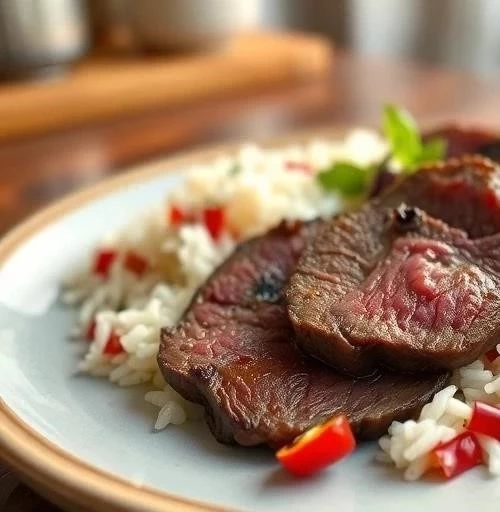
The Home Recipe Begins: Beef Tenderloin, Marinade, and Meat Spices
Beef tenderloin wears a daring, aromatic marinade: cracked pepper, smoked paprika, and a whisper of citrus; Pure alchemy.
Beef in a Vacuum: Low-Temperature Cooking, the Vacuum Bag, and Sous Vide at Home
Slip seasoned beef into a sturdy vacuum bag with a sprig of thyme and a ribbon of orange peel. Press out the air until the plastic hugs every curve; this sealed envelope keeps flavor close and water away. Set it in a steady low-temperature bath, where gentle heat works like a patient tailor, softening fibers without rushing them. At home, sous vide turns an ordinary pot into a kitchen instrument: keep the bag fully submerged, leave room for water to circulate, and make sure its seal stays above the surface. When the bath is done, lift the parcel carefully and let it rest unopened for a moment—the fragrant steam is preview of the tenderness within.
The Juicy Meat Equation: Choosing the Cooking Temperature and Cooking Time for Tender Beef
Think of the water bath as a quiet clockmaker: temperature sets the texture, while time lets tenderness unfold. For rosy, sliceable beef, choose 56°C (133°F) and allow 2½–3 hours for a 4 cm-thick piece. Prefer a softer, more yielding bite? Choose 60°C (140°F) and give it 3–4 hours. Treat thickness, not weight, as your compass: a broad cut needs longer for its centre to reach the same warmth. Keep the bath steady, and use a reliable thermometer; tiny shifts can turn supple into firm. These timings suit tenderloin pieces of similar thickness; for unusually thick cuts, consult a food-safety guide. Log each bath; let your perfect textures emerge.
Chili Rice with a Kick: Long-Grain Rice, Chili Pepper, and a Spicy Rice Side Dish for Beef
Give long-grain rice a little theater: toast it briefly with a sliced chili pepper, then simmer with broth, a pinch of salt, and a strip of lime zest. The grains emerge separate, fragrant, and lively, like tiny lanterns with a warm glow. For a bright, unusual finish, fold in finely chopped pineapple and fresh cilantro; sweetness cools the pepper’s spark without dimming it. Taste before serving, adding more chili only if you want a bolder flicker. Spoon the spicy rice beside beef, letting its citrusy heat add contrast and pure color.
The Grand Finish: Searing the Meat and Making a Sauce for Beef
Pat the beef completely dry; moisture is the enemy of a deep, coppery crust. Heat a heavy skillet until it shimmers, then sear each face briefly, turning with tongs. A sizzling crust is a golden frame, not a second act: let the center stay tender. For a quick pan sauce, pour in a splash of broth and whisk in Dijon, a dab of honey, and cold butter. Scrape up the browned flecks; they are tiny savory sparks. Spoon the glossy sauce over the slices just before serving. Finish with a pinch of cracked pepper and orange zest; the aroma cuts through richness. Rest briefly, plate with sauce; finish with thyme for a woodland note, then serve at once.

5 Comments. Оставить новый
This piece makes precision feel welcoming rather than intimidating. I appreciate the reminder to keep water circulating and the bag submerged—small safeguards that make a big difference. The suggested lime-zest rice sounds like the spark that turns a tender slice of beef into a whole, memorable plate.
A recipe with both a thermometer and a little poetry: not a combination you see every day. The clear temperature options make the method approachable, while the peppery marinade and lively rice keep it from feeling like a laboratory exercise. I’d happily let this dinner take its time.
The best detail here may be treating thickness—not weight—as the cook’s compass. That simple distinction can save a tenderloin from guesswork. The citrus and thyme tucked into the bag sound like a fragrant secret, waiting patiently behind the seal.
I love the image of a “quiet clockmaker” setting the pace for tender beef. The article pairs that playful language with practical advice, and the chili-lime rice offers a bright counterpoint to the richness. Now I’m imagining dinner as a meeting between careful science and a tiny lantern parade.
This recipe reads like a small kitchen adventure, with the vacuum bag as its sealed treasure chest and the water bath doing the patient work. The temperature-and-thickness guidance is especially useful: it turns sous vide from mysterious gadgetry into something a home cook can actually steer.