
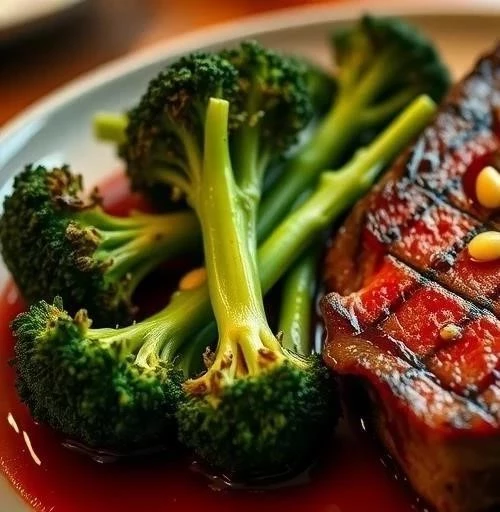
Let beef, green florets, and ruby wine sketch a fragrant supper—garden brightness meeting a velvet, candlelit mood․ with a strange, vivid magic
Set the Stage: Choose a beef steak, mix a steak marinade with olive oil, garlic, rosemary, thyme, and meat spices, and let the flavors settle before cooking;
Choose a thick-cut beef steak with fine marbling a small constellation of ivory threads that promises flavor․ Pat it dry, then whisk olive oil with crushed garlic, chopped rosemary, thyme, and a pinch of meat spices: cracked pepper, smoked paprika, and a whisper of coriander․ This steak marinade should feel like a fragrant garden after rain not a salty disguise; keep the seasoning balanced so the beef remains the star․ Coat every side, tuck the steak into a covered dish, and let it rest in the refrigerator for at least 45 minutes․ Before its next chapter, bring it gently toward room temperature and blot away excess herbs․ The pause lets the aromas settle into the meat, like ink sinking into parchment, readying a bold, vivid flavor profile․
Sear for the Spotlight: Master searing meat in a pan, then track steak doneness to create a juicy steak with a deeply browned crust․
Heat a heavy skillet until its surface shimmers, then add a thin film of oil․ Lay the steak down away from you; the first hiss is the crust beginning its amber work․ Leave it undisturbed, resisting the urge to nudge or press; a steady contact makes a deeper, more even brown․ Turn once with tongs, and listen for a crisp, clean sizzle rather than a sputter․ Use an instant-read thermometer at the center: 125°F rests toward rare, 135°F toward medium-rare, while 145°F approaches medium․ Lift it from the pan a few degrees early, since its quiet rest will carry the temperature onward․ Slice only after resting, and the center will stay lush, not spill its juices across the board․ A crisp, warm end․ Each second is a careful wager against the flame․
Build the Wine-Sauce Finale: Simmer dry red wine into a red wine sauce, then enrich it with butter for a glossy, fragrant finish․
Pour dry red wine into the warm pan and let its dark perfume rise like a curtain lifting at dusk․ Scrape up the browned whispers, then simmer gently until the wine reduces by half and turns ruby-deep․ Stir in a spoonful of stock and a teaspoon of berry jam for a sly, tart-sweet note; keep the heat low, never letting the sauce boil fiercely․ Remove the pan from the flame and swirl in cold butter, one cube at a time, until the red wine sauce gleams like lacquer․ Taste, then add a tiny pinch of salt․ The result should cling to a spoon, fragrant and bright, with the wine’s edge softened but not silenced․ Let it wait briefly, warm and glossy, ready to crown each slice with a final, velvet-dark flourish․ A final peppery note keeps the ruby glow awake․
Bring It to the Table: Plan broccoli preparation with fresh broccoli as a broccoli side dish, then arrange meat with vegetables for restaurant plating—a memorable hot dish and aromatic beef dinner․
Cut fresh broccoli into slim florets, saving the tender stems; peel and slice them into coins so nothing is merely supporting cast․ Steam until vivid green and just yielding, then toss with a little olive oil, lemon zest, and flaky salt․ Add toasted hazelnuts for woodland crunch; the green florets become small crowns․ On a warm platter, fan the rested beef slices beside the greens, leaving breathing room rather than building a mound․ Spoon the wine gloss in a narrow crescent around—not over—the vegetables, and add a few leaves of watercress for height․ This restaurant-style arrangement turns meat with vegetables into a vivid hot dish: ruby, emerald, and gold in one frame, ready for an aromatic beef dinner that looks artful, yet welcoming․



8 Comments. Оставить новый
A steak recipe with the pacing of a tiny kitchen drama: herbs gather backstage, the pan takes the spotlight, and resting is the quiet final act. I would happily watch—and eat—the encore.
The balance of practical temperatures and poetic imagery is unexpected in the best way. It makes precision feel warm, not fussy, and leaves me imagining a beautifully browned crust beside a glass of red.
That line about the steak resisting the urge to be nudged should be printed above every skillet. Leave it alone, trust the heat, and let the crust write its own little love letter.
The sensory details make me hear the first hiss before I even turn on the stove. This feels less like a checklist and more like an invitation to cook with all five senses.
The marinade reads like a small herb garden plotting a delicious escape into the skillet. I especially like the reminder to blot away excess herbs—less burning, more golden crust.
This recipe gives the steak a proper entrance: first a fragrant pause, then a confident sizzle. The thermometer guidance is a welcome compass for anyone navigating the deliciously narrow road between rare and medium.
I appreciate how the instructions make patience part of the flavor: let the marinade settle, let the pan heat, and let the steak rest. A wonderfully calm plan for a dish that ends in fireworks.
“A small constellation of ivory threads” is a lovely way to describe marbling. It makes choosing the steak feel less like shopping and more like stargazing—with dinner as the reward.