
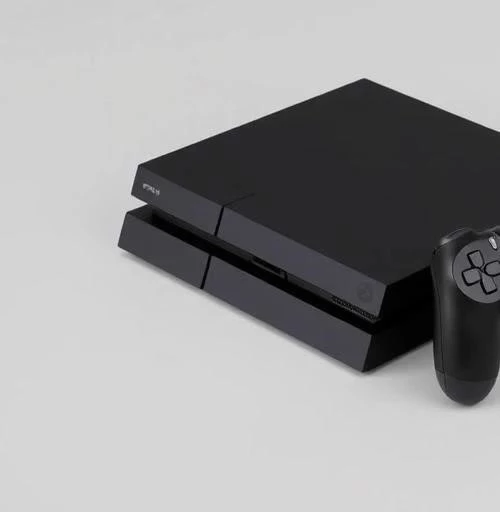
Imagine the original PlayStation 4 after it has taken a deep breath‚ shrugged off its sharp-edged jacket‚ and settled into a quieter corner of the living room․ That is the PS4 Slim: a smaller‚ softer-looking version of Sony’s familiar black console․ It does not try to look like a spaceship or a piece of sculpture․ Instead‚ it is a low‚ dark‚ neatly rounded box whose design seems to say‚ “I’m here for the game‚ not the spotlight․”
At a glance‚ the Slim is recognizable as a PS4‚ but its proportions and finish give it a different personality․ The standard PS4 has more dramatic angles and a glossy section that catches the light․ The Slim replaces that showier look with curves‚ a matte surface‚ and a more compact body․ Seen from across a room‚ it is a tidy black shape; up close‚ its small design choices reveal how Sony made the console feel less imposing․
A Low‚ Rounded Profile
The console’s basic form is a flattened rectangular block‚ designed to sit horizontally beneath a television․ Its corners are gently rounded rather than sharply cut‚ and its edges slope into one another‚ softening what could otherwise look like an ordinary slab․ The body is approximately 265 millimetres wide‚ 288 millimetres deep‚ and 39 millimetres high‚ though the precise impression depends on the viewing angle․ It is compact enough to share a media shelf without appearing to take it over․
The PS4 Slim can also stand vertically with a compatible stand‚ turning its long‚ low silhouette into a narrow upright column․ In either position‚ it looks deliberately restrained․ There are no bright stripes or oversized decorative vents․ The console’s visual drama comes from its layered outline and the contrast between its smooth surfaces and the dark openings around its ports․
Two Layers‚ One Familiar Shape
One of the easiest details to notice is the layered construction․ The shell has two broad levels‚ like a pair of thin black books placed slightly out of alignment․ This gives the console a stepped profile when viewed from the side‚ while the rounded edges keep that step from looking harsh․ The effect is subtle: the Slim still reads as one unified object‚ but it has more visual depth than a plain rectangular box․
Look down from above and the shape feels especially clean․ The top is broad and mostly uninterrupted‚ with the PlayStation mark providing a small point of recognition․ The logo does not shout․ It sits quietly on the dark surface‚ like a maker’s signature on a carefully finished object․ Depending on the room’s lighting‚ the console may appear almost charcoal rather than pure black‚ and its gentle curves become more noticeable when a soft highlight travels along an edge․
Matte Black‚ Not Mirror Black
The Slim’s finish is one of its most practical visual features․ Most of the exterior is matte black‚ not the shiny‚ reflective finish associated with parts of the original PS4․ Matte surfaces give the console a calm‚ understated appearance and help it blend with televisions‚ sound equipment‚ and dark shelves․ They also show fewer distracting reflections than a glossy shell‚ so the console does not compete with the bright pictures on the screen․
That finish has a pleasantly tactile look․ It seems more like a piece of home electronics than a polished trophy‚ and fingerprints are generally less conspicuous than they are on a glossy panel․ The surface is not rough or rugged; it is smooth‚ with a fine‚ subdued texture․ In a bright room it reads as a clean‚ practical black box․ In a dim gaming setup it nearly disappears‚ leaving the television to command attention․
Small Details on the Front
The front edge is where the console’s everyday function becomes visible․ Two USB ports sit side by side‚ ready for a controller cable‚ headset‚ or other compatible accessory․ Their rectangular openings break the smooth black face with a little functional geometry․ The disc slot is a narrow horizontal line‚ integrated into the front rather than presented as a prominent tray․ Insert a game and the console’s minimal face suddenly has a job to do․
Power and eject controls are positioned along the front edge․ They are intentionally unobtrusive‚ so the body keeps its uncluttered appearance instead of being covered with large buttons․ This is a design that rewards a closer look: at first‚ the front can seem almost blank; then the slim slot‚ ports‚ and controls emerge from the dark surface․ Their quiet placement makes the console feel organized rather than busy․
The Back: A More Practical View
Turn the console around and its design becomes less mysterious and more useful․ The rear panel contains the connections and ventilation openings needed to keep the system working in a home setup․ From the front‚ these details are mostly hidden‚ preserving the clean silhouette․ From behind‚ the Slim looks like a piece of equipment that expects to be connected: cables lead toward the television and power‚ while the vents signal that warm air needs a way out․
Those openings are part of the visual identity‚ too․ They add texture to an otherwise smooth shell and remind you that the console is not just a decorative black box․ Leave breathing room around it rather than wedging it into a tight enclosure․ The shape may be slim‚ but it still needs space for airflow․ A well-placed console looks neater and has a more comfortable environment in which to run․
How It Compares with the Original PS4
Side by side‚ the Slim’s family resemblance is unmistakable‚ but the differences are easy to spot․ The original model looks more angular and visually split‚ with a more pronounced glossy area on its body․ The Slim rounds the corners‚ smooths out the overall impression‚ and uses a mostly matte finish․ It feels less like a sharp-edged piece of gaming hardware and more like a compact component designed to sit quietly among other electronics․
It is also smaller and lighter than the original PS4‚ which helps explain the name․ “Slim” describes the reduced footprint and lower‚ neater profile‚ not a completely new design language․ Sony kept the recognizable layered idea while refining its proportions․ The result is not a miniature toy version: it still looks solid and substantial‚ just less bulky․ For someone choosing a console by appearance‚ that difference can matter as much as the technical specifications․
What It Looks Like on a Shelf
Horizontally placed‚ the PS4 Slim makes a long‚ low line beneath a television․ Its black finish pairs naturally with dark screens and speakers‚ while the rounded outline prevents the arrangement from feeling too severe․ It can sit beside a stack of games or a small media player without visually crowding them․ The console’s modest height is useful when shelf space is limited‚ although its depth should still be checked before buying or arranging furniture․
Placed vertically‚ it becomes a slim tower‚ with the layered shell visible along its sides․ This can free up horizontal space and make the console look more like a deliberate feature of the setup․ A proper compatible stand helps keep it stable․ Either orientation works visually; the choice depends on the shelf‚ the available ventilation‚ and whether you prefer the quiet horizontal profile or the more noticeable upright silhouette․
How to Recognize One in a Photo
- Look for the rounded‚ compact body․ The Slim has softer corners and a lower‚ tidier profile than the original PS4․
- Check the finish․ Its exterior is predominantly matte black rather than a mix dominated by reflective gloss․
- Notice the two-level shell․ The stepped‚ layered outline is a useful clue when the console is photographed from the side․
- Look at the front․ The disc slot and pair of USB ports sit in a neat‚ restrained arrangement․
- Use the whole silhouette․ A single feature can be hard to judge in a cropped image‚ but the rounded body‚ matte finish‚ and compact proportions together are distinctive․
The Overall Impression
The PlayStation 4 Slim looks like a familiar console that has learned the value of understatement․ Its visual signature is not a flashy ornament but a combination of details: a low two-layer form‚ softened corners‚ a dark matte finish‚ a discreet PlayStation logo‚ and a front face that keeps its controls and ports in order․ It is easy to imagine it disappearing into a media cabinet—and just as easy to recognize when the light catches its curved edges․
If you are trying to picture the console before seeing one in person‚ think of a compact‚ rounded black sandwich: two broad‚ slightly offset layers‚ smooth on top‚ practical at the front‚ and ventilated at the back․ It is slimmer in spirit as well as size‚ exchanging the original model’s sharper‚ more dramatic look for something quieter and more at home in an everyday living room․ The design makes no grand entrance․ It simply leaves room for the game to do that․

1 Comment. Оставить новый
I like the idea of a console that refuses to audition for the future. The Slim sounds less like a machine demanding attention and more like a quiet stagehand: it slips behind the screen, lowers the lights, and lets the games take their bow.