
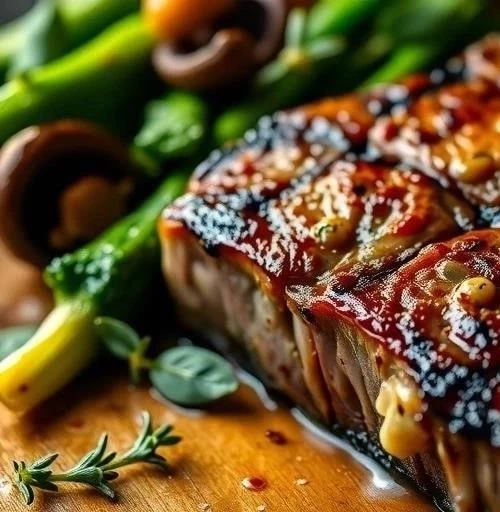
A good steak dinner does not need a complicated sauce or a long list of ingredients. The key is to choose a tender cut, cook it with care, and pair it with vegetables that bring color and freshness to the plate. Thyme ties everything together: its warm, gently earthy aroma complements beef without overpowering it. This balanced approach makes the meal both satisfying and practical for a weeknight or a special occasion.
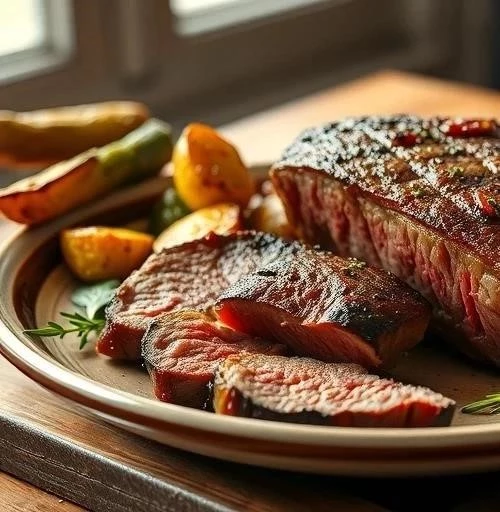
Ingredients
- 2 tender steaks, about 1 inch thick, such as sirloin, rib-eye, or filet
- 1 tablespoon olive oil, plus a little more for the vegetables
- 1 red bell pepper, sliced
- 1 zucchini, cut into half-moons
- 1 small red onion, cut into wedges
- 1 cup cherry tomatoes
- 2 garlic cloves, lightly crushed
- 1 teaspoon fresh thyme leaves, or ½ teaspoon dried thyme
- Salt and freshly ground black pepper
- 1 tablespoon butter, optional
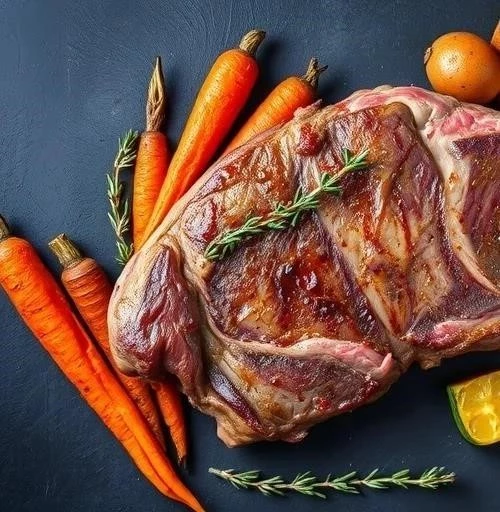
Method
- Prepare the vegetables. Heat the oven to 425°F (220°C). Toss the pepper, zucchini, onion, and tomatoes with a drizzle of oil, half the thyme, salt, and pepper. Spread them in one layer on a baking tray. Roast for 18–22 minutes, turning once, until tender and lightly browned. The high heat helps the vegetables caramelize rather than steam, giving them a deeper flavor.
- Get the steak ready. While the vegetables roast, pat the steaks dry and season both sides generously with salt and pepper. Drying the surface is worthwhile: it encourages a browned crust, while a wet surface tends to cook before it sears. Let the meat sit at room temperature for about 20 minutes if time allows.
- Sear, then check. Heat a heavy skillet until very hot. Add the oil and steaks; sear without moving them for 2–3 minutes per side, adjusting for thickness and preferred doneness. Add the garlic, remaining thyme, and butter during the final minute, then spoon the fragrant butter over the meat. A thermometer is more reliable than timing alone: aim for 130–135°F (54–57°C) for medium-rare, followed by a short rest.
- Rest and serve. Transfer the steaks to a plate and rest for 5–10 minutes. This pause matters because it lets the juices settle, helping each slice stay moist. Serve with the roasted vegetables and spoon over any resting juices.
Why this combination works
The steak provides richness and protein, while the vegetables add sweetness, texture, and brightness. Thyme bridges the two, making the plate taste cohesive without masking the ingredients. Most importantly, cooking the vegetables separately protects the steak from overcooking and gives each component the attention it deserves. For a lighter meal, add a crisp green salad; for a heartier one, serve with potatoes or crusty bread. Slice the steak across the grain, and keep extra salt and thyme nearby so everyone can season to taste.

8 Comments. Оставить новый
I appreciate that the instructions account for different preferences by giving a temperature range for medium-rare and recommending a thermometer. That makes the method easier to adapt than relying on exact cooking times alone.
The ingredient list feels manageable, and the suggested alternatives for steak cuts make the recipe adaptable to different budgets and preferences. Thyme and garlic should add plenty of aroma without requiring a more complicated sauce.
This seems like a well-organized meal for a weeknight: the vegetables can roast while the steak is prepared, so the overall process is efficient. I also appreciate the reminder to rest the meat, which helps keep it juicy when served.
The explanation of why each step matters makes the recipe more useful than a bare list of directions. In particular, the note about spreading the vegetables in one layer helps clarify how to roast them rather than steam them.
I like the balance between a hot skillet for the steak and a hot oven for the vegetables. Using a thermometer for doneness is practical advice, especially because steak thickness and stove heat can make cooking times vary.
The recipe sounds flavorful without being fussy. Roasted tomatoes, zucchini, peppers, and onion provide a fresh contrast to the seared steak, and the shared thyme and garlic flavors help the whole plate feel cohesive.
A versatile recipe with a sensible combination of protein and vegetables. The optional butter is a nice touch for extra richness, while the olive oil and herbs keep the dish from feeling overly heavy.
This recipe is appealing because it keeps the steak preparation simple while letting the roasted vegetables add color and variety. The advice to dry the steaks before searing is especially useful, since it explains how to get a better crust rather than just giving instructions.