
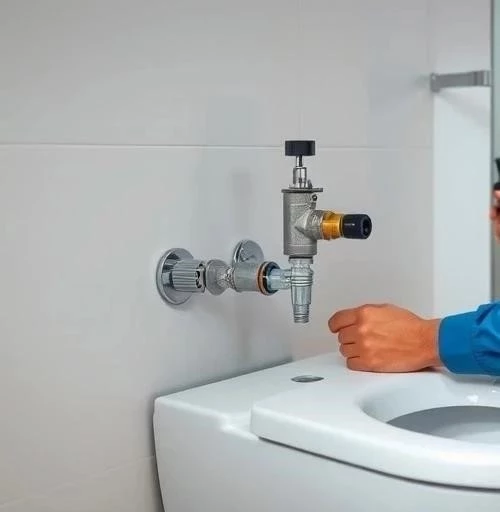
A toilet connection is easy to overlook once the fixture appears to work. Yet a loose joint, worn seal, or poorly supported pipe can cause leaks, odors, and costly damage. Preventive care is therefore more reliable than waiting for a failure. Careful toilet installation, sound materials, and routine checks help keep the entire plumbing system secure.
Prepare the connection properly
Before connecting the toilet to the sewer, inspect the sewer outlet and confirm that it is stable, clean, and correctly aligned with the toilet drain. The rules for toilet installation begin with a level, solid floor and a correctly positioned outlet. If a new sewer pipe is needed, secure it with the proper slope and support; a badly aligned pipe can strain the joint and encourage blockages.
Choose a toilet connector to match the outlet. A flexible toilet connector can simplify alignment, but it should not be stretched, sharply bent, or used to compensate for major positioning errors. A connection gasket must fit snugly, without twisting. Apply sanitary sealant only where appropriate and according to the product instructions: sealant cannot repair a damaged gasket or make an incompatible fitting safe.
Secure the toilet to the floor with suitable fasteners, tightening them evenly. Excessive force may crack the ceramic, while a loose fixture can shift and weaken the drain connection. A sound, sealed toilet connection depends on correct alignment, a stable base, and intact seals—not on extra sealant.
Check the water supply and drainage
Inspect the cistern, supply hose, and shutoff valve before use. The valve should turn freely and stop the water supply completely. Connect the hose without twisting it, then open the valve slowly and check the water supply. Watch the hose ends and cistern inlet for droplets. A worn hose or corroded valve should be replaced rather than temporarily patched.
Flush several times and examine the sewer joint, floor, and nearby surfaces. This leak-tight toilet connection check should be repeated after the first use and again later, since small leaks may appear only after the seal settles. Listen for continuous cistern refilling, which can signal a faulty internal valve or seal and waste water unnoticed.
Prevent faults through routine care
Regular plumbing maintenance means keeping the area dry and accessible, avoiding harsh impacts, and not treating the toilet as a support or storage surface. Do not pour grease, wipes, or other unsuitable waste into the bowl; responsible blockage prevention reduces pressure on the drain and joints. If drainage slows, investigate early rather than repeatedly forcing a plunger, which may disturb a weak connection.
Include a preventive plumbing inspection in ordinary household checks. Look for rocking, dampness, odors, mineral deposits, and changes in flushing. Replacing seals when they harden or crack is safer than waiting for a leak. If a blockage persists, water appears around the base, or the toilet shifts, stop using it and arrange troubleshooting or toilet repair. Prompt attention limits damage and helps distinguish a simple seal replacement from a larger pipe problem;
Reliable installation is not a single task but a sequence: prepare the outlet, fit compatible parts, secure the fixture, test the water supply, and verify every joint. These practical habits make toilet maintenance straightforward and reduce the risk of sudden leaks.

5 Comments. Оставить новый
I appreciate the practical advice to check the supply hose and shutoff valve as well as the drain joint. Looking for leaks after several flushes is a straightforward step that homeowners can easily overlook.
The warning about flexible connectors is especially helpful. They can make fitting easier, but the reminder not to stretch or sharply bend one explains why proper positioning still matters.
This is a clear, sensible overview of preventive checks. I would also recommend readers consult the connector and toilet manufacturers’ instructions, since suitable fittings and sealing methods can vary.
The article makes a useful point that a secure toilet connection depends on alignment and a stable base, not simply on applying more sealant. That distinction could help prevent common installation mistakes.
The guidance on tightening floor fasteners evenly is valuable: overtightening can damage the fixture, while a loose toilet may strain the connection. A stable installation is an important part of leak prevention.