
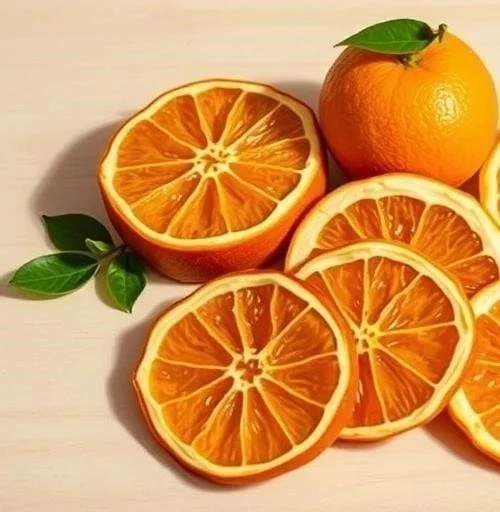
A dried orange is usually called a dried orange or a dehydrated orange․ When the fruit is cut into round cross-sections and dried, the pieces are commonly called dried orange slices․ In recipes and drink menus, they may also be described as orange wheels or dried orange wheels․ These names refer to the form or preparation of the fruit rather than to a separate botanical variety․
Common names and distinctions
“Dehydrated orange” is a broad, descriptive term for orange from which much of the moisture has been removed․ It can refer to slices, segments, peel, or powdered orange․ “Dried orange slice” is more specific: it generally means a thin cross-section that retains the fruit’s circular shape and shows the rind, flesh, and central pattern of segments․ A thick round slice used to decorate a drink is often called a wheel, whether it is fresh or dried․
The word pomander does not normally mean a dried orange slice․ A traditional pomander is a whole orange studded with cloves, often dried for use as a fragrant decoration․ Similarly, candied orange is not the same product: it is cooked with sugar syrup and may remain moist or become crystallized․ The terms can sometimes be used loosely in craft or retail descriptions, so checking the ingredients and preparation is useful․
How dried orange slices are made
Oranges are washed, sliced evenly, and dried with warm air until their moisture content is reduced․ Home cooks can use a food dehydrator or a low-temperature oven; commercial producers use controlled drying equipment․ Thin, uniform slices tend to dry more consistently․ The process may take several hours, depending on slice thickness, temperature, airflow, and the juiciness of the fruit․ The finished pieces are usually firm and lightweight, with a concentrated citrus aroma․
Some people briefly blot the slices before drying to remove excess juice․ Others leave them untreated to preserve their natural appearance․ Added sugar is not necessary for plain dried orange, although sweetened versions are available․ Color can darken during drying, and the flesh may become amber or brown․ This change alone does not mean that the fruit has spoiled․
Uses in food and drinks
Dried orange wheels are used as garnishes for cocktails, mocktails, tea, and other beverages․ They add a citrus scent and an attractive visual detail; depending on the drink, they may also contribute a mild, concentrated flavor․ Slices can be added to hot water or simmered with spices, and pieces of dried orange peel are used in baking, sauces, marinades, and spice blends․ For recipes that call for fresh orange juice or zest, however, dried slices are not a direct substitute․
Dried orange is also used in potpourri, wreaths, ornaments, and other seasonal decorations․ For these purposes, slices are often chosen for their translucent segments and warm color․ Food intended for decoration should be handled and stored as food, while decorative pieces treated with glue, varnish, fragrance, or other craft materials should not be eaten․
Buying and storing
When buying dried oranges for eating, check that the product is labeled as food and review its ingredients․ Plain slices may contain only orange; sweetened or flavored products can include additional ingredients․ Store edible slices in a clean, airtight container in a cool, dry place, away from direct sunlight․ Moisture can soften them and encourage spoilage․ Discard pieces that develop mold, an unusual odor, or signs of dampness․
In short, the clearest everyday name is dried orange slice․ “Dehydrated orange” is the broader term, while “orange wheel” usually describes a round slice used as a garnish․ These names make it easier to distinguish simple dried fruit from candied orange and from a clove-studded pomander․


1 Comment. Оставить новый
The article clearly distinguishes dried orange slices from related terms such as pomanders and candied orange. Its overview of preparation is useful, though the text appears to end mid-sentence.