
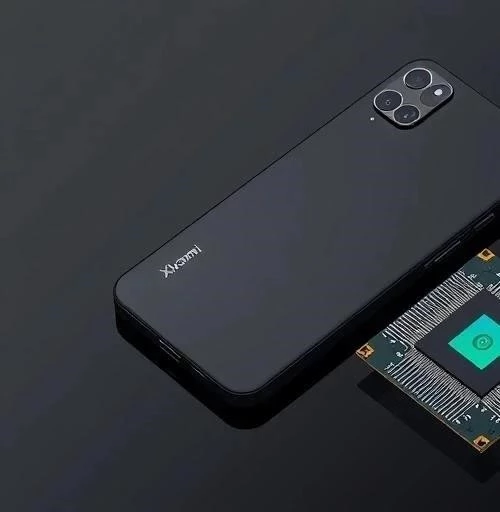
The Xiaomi 14 Ultra is powered by the Qualcomm Snapdragon 8 Gen 3‚ a flagship mobile platform. In everyday conversation‚ people often call this component the phone’s processor. More precisely‚ it is a system-on-chip (SoC): one package that combines the central processor‚ graphics processor‚ AI hardware‚ image-processing components‚ and other essential functions.
CPU: the central processor
The Snapdragon 8 Gen 3 uses an eight-core CPU built on a 4-nanometer manufacturing process. Its cores are arranged in three groups‚ balancing fast response with efficient operation:
- 1 Cortex-X4 prime core‚ with a maximum clock speed of up to 3.3 GHz‚ for demanding single-threaded tasks;
- 5 Cortex-A720 performance cores‚ divided into groups running at up to 3.2 GHz and 3.0 GHz‚ for sustained workloads and multitasking;
- 2 Cortex-A520 efficiency cores‚ running at up to 2.3 GHz‚ for lighter background tasks with lower power use.
These figures describe the platform’s CPU configuration; actual operating speeds vary with workload‚ temperature‚ power settings‚ and software. The phone does not keep every core at its maximum frequency all the time. Instead‚ Android and Qualcomm’s scheduling systems assign work to appropriate cores and adjust performance as conditions change.
What the processor means in daily use
For typical activities—opening apps‚ browsing‚ messaging‚ taking photos‚ and switching between tasks—the Snapdragon 8 Gen 3 provides ample flagship-class speed. Its mix of powerful and efficient cores lets the device respond quickly when needed while using less power for lighter work. The experience also depends on Xiaomi’s software‚ available memory‚ storage speed‚ and the apps being used‚ not on the CPU alone.
The chipset supports demanding games and high-refresh-rate displays. Its separate graphics unit‚ the Adreno 750 GPU‚ handles 3D rendering‚ visual effects‚ and much of the work involved in gaming. The CPU coordinates game logic and other tasks‚ while the GPU draws the scene. Together‚ they make the Xiaomi 14 Ultra suitable for graphically intensive titles‚ although frame rates can vary by game‚ settings‚ and temperature.
More than CPU and graphics
The Snapdragon 8 Gen 3 also includes a Hexagon neural-processing unit (NPU) for supported AI workloads. It can accelerate certain on-device tasks‚ such as image and language features‚ when applications are designed to use it. AI capability is not a guarantee that every feature runs locally: availability and processing methods depend on Xiaomi’s software‚ the app‚ region‚ and service.
Photography is another important part of the platform. The SoC incorporates an image signal processor (ISP)‚ which helps process data from the cameras‚ while Xiaomi’s camera hardware and software determine much of the final result. The processor contributes to tasks such as image processing‚ video functions‚ and computational photography. It is therefore one part of the Xiaomi 14 Ultra’s camera system‚ not the sole explanation for its photographic performance.
Memory‚ storage‚ and heat
The Snapdragon 8 Gen 3 platform supports fast memory and storage technologies. Xiaomi 14 Ultra configurations pair it with LPDDR5X RAM and UFS 4.0 storage‚ although exact memory capacity depends on the market and model. RAM helps keep apps available for multitasking; storage holds the operating system‚ applications‚ and files. These components work alongside the processor and can affect how responsive the phone feels.
Like other powerful smartphones‚ the Xiaomi 14 Ultra may reduce CPU or GPU speeds when it becomes hot. Long gaming sessions‚ demanding camera use‚ warm surroundings‚ charging‚ and intensive apps can all affect temperature. This protective adjustment‚ known as thermal throttling‚ helps control heat and power consumption. Consequently‚ a brief benchmark result does not necessarily represent performance over an extended session.
Is it a Snapdragon 8 Gen 3 or a different chip?
The Xiaomi 14 Ultra is not powered by a MediaTek Dimensity processor or by a separate Xiaomi-branded mobile CPU. Its main platform is Qualcomm’s Snapdragon 8 Gen 3. Buyers should distinguish it from other phones in the Xiaomi 14 family‚ which may have different specifications depending on the model. For confirmation of a particular device‚ check the product page or the specifications listed for its exact regional version.
In brief
- Processor / SoC: Qualcomm Snapdragon 8 Gen 3
- CPU: eight cores‚ led by a Cortex-X4 prime core
- Graphics: Adreno 750 GPU
- Manufacturing process: 4 nm
- Related platform features: Hexagon NPU and an integrated image signal processor
Bottom line: the Xiaomi 14 Ultra uses the Snapdragon 8 Gen 3‚ one of Qualcomm’s flagship platforms for its generation. Its eight-core CPU handles general computing‚ while the Adreno GPU‚ NPU‚ and ISP take on graphics‚ supported AI tasks‚ and camera processing. Together with fast memory and storage‚ this hardware gives the phone the foundation for high-end performance; real-world results still depend on software‚ workload‚ settings‚ and heat.

3 Comments. Оставить новый
I appreciate the note that maximum clock speeds are not constant in everyday use. It gives a more realistic picture of how workload, temperature, and software affect performance.
The distinction between the Snapdragon 8 Gen 3 as a complete SoC and its CPU as one component is explained clearly. The practical examples also make the specifications easier to understand.
This is a helpful overview for readers comparing flagship phones. The article appears to end mid-sentence, though, so the final section may be incomplete.