
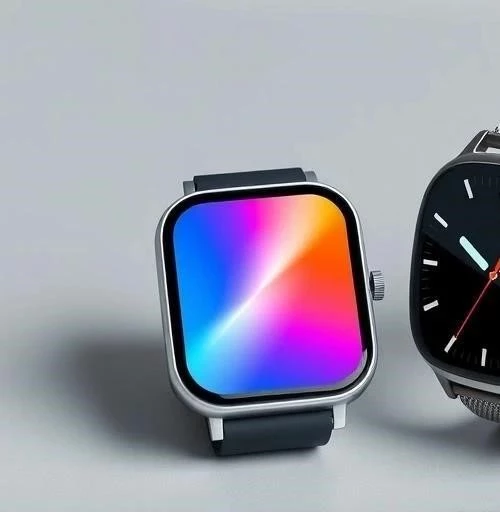
Choosing an Apple Watch is a little like choosing a travel companion. One wants to sprint up a mountain with you; another is happy to keep your train ticket, tap your wrist at the checkout, and remind you to stand up. The “best” model is not automatically the newest or most expensive. It is the one whose strengths match your ordinary Tuesday as well as your most ambitious Saturday.
For most people, the smartest starting point is Apple’s standard Series watch: the balanced all-rounder. If you want the fullest feature set without buying a rugged expedition instrument, look here first. The SE is the sensible-value choice, while the Ultra is the specialist built for demanding outdoor adventures. Exact features, names, prices, and availability change by generation and country, so check the current model’s specification before purchasing.
The quick answer
- Best for most people: the newest standard Apple Watch Series that fits your budget.
- Best for a tight budget: the newest SE, or a reputable previous-generation Series at a good discount.
- Best for endurance sports and the outdoors: Apple Watch Ultra.
- Best for a child or family setup: a compatible cellular model, if your carrier and Apple’s family features support it.
- Best upgrade: the one that solves a real limitation in the watch you already own.
Apple Watch Series: the everyday champion
Think of the Series as a clever pocketknife: not designed for one dramatic mission, but useful in dozens of small moments. It can put notifications, calls, timers, activity tracking, and health features on your wrist, while its lighter, more familiar design suits work, errands, and sleep. Newer generations may add display, sensor, or charging improvements; whether those matter depends on how you use the watch;
Choose Series if you want a polished daily companion for fitness, communication, and convenience. It is the safest recommendation for a first-time buyer with an iPhone. Before paying extra for a newer generation, compare its specific upgrades with the price of the previous one. A discounted older Series may be a better buy if it still receives software support and has the features you actually need.
Apple Watch SE: the clever budget pick
The SE is for people who would rather spend less on the watch and more on the life they are tracking. It covers the essentials—such as activity, workouts, notifications, and Apple ecosystem convenience—while leaving out some features available on higher-tier models. Those omissions are not automatically a problem. They matter only if you planned to use them.
Pick SE if you want a first Apple Watch, a reliable everyday wearable, or a less costly option for a family member. It is also a good choice for someone who mainly wants to close activity rings, check messages, and leave the phone in a bag now and then. Check the exact generation carefully: “SE” does not mean every model has the same display, sensors, chip, or support lifespan.
Apple Watch Ultra: the expedition specialist
Ultra is the big, bold tool-watch option. Its rugged construction, larger form, and adventure-oriented features are aimed at people who spend serious time running, hiking, diving, or exploring away from the sofa. Depending on the generation, it may offer capabilities useful for demanding workouts and outdoor navigation. For an occasional stroll, however, those extras can feel like packing a compass to walk to the bakery.
Buy Ultra when its durability, battery advantages, controls, or sport features answer a specific need—and when you like its size on your wrist. Try it on if possible. A larger watch can be less comfortable under a cuff or during sleep, and a premium price is hard to justify if you mostly want alerts and step counts. Ultra is not “better” in every situation; it is more specialized.
The details that make the decision
Start with your routine
For daily notifications and casual fitness, a Series or SE is usually enough. For long outdoor sessions, compare Ultra with the Series on battery, durability, GPS and sport functions. Use Apple’s current specifications rather than relying on a model name alone.
Decide whether you need cellular
GPS models connect through a nearby iPhone or Wi-Fi. Cellular models can do more without the phone nearby, but usually require a compatible carrier plan and extra fees. If your phone is nearly always in your pocket, GPS may be the better-value choice.
Think about comfort and size
A watch worn every day should feel like a companion, not a wrist-mounted paperweight. Compare case sizes, strap choices, weight, and screen readability in person if you can. Smaller wrists may prefer a smaller case; people who read lots of text may appreciate a larger display.
Check compatibility and support
Apple Watch is designed to work with an iPhone, and compatibility depends on the watch generation, iPhone, and software versions. Confirm those requirements before buying—especially for a gift or a used watch. For second-hand models, check battery health, activation lock, physical condition, and whether the seller can remove the device from their account.
So, which one should you buy?
For the majority of buyers, choose the current standard Series in the case size you find comfortable. It is the most balanced answer: capable without being excessive. Choose SE if value matters more than having every available feature. Choose Ultra if your days include demanding adventures and you will genuinely use its specialized design.
One final rule: do not buy a feature because it sounds impressive in a product listing. Buy it because you can picture using it next week. The best Apple Watch is not the one that wins a specification contest; it is the one that quietly earns its place on your wrist.
6 Comments. Оставить новый
The “ordinary Tuesday and ambitious Saturday” test is a refreshingly human way to think about a watch purchase. Specs can sparkle, but the best choice is the one that still feels right when the adventure is just a grocery run.
I like that this guide treats the Ultra as specialist equipment rather than a trophy for the wrist. Not everyone needs a tiny command center for a mountain expedition—and that is useful advice in a market that loves to sell “more.”
The pocketknife comparison captures the Series beautifully: its magic is less about one grand trick and more about being handy in a dozen little moments. That makes the everyday-use angle much more persuasive than a feature checklist.
“Solve a real limitation” is the wisest upgrade rule here. It may not thrill the unboxing crowd, but it can save someone from replacing a perfectly good watch just because the calendar says a new one arrived.
The reminder to check features, prices, and availability by generation and country deserves a spotlight. Product names stay familiar while the details quietly shift; this guide wisely leaves room for that moving target.
This is a buying guide with its feet on the ground and its eyes on the trail. The family-setup caveat is especially practical: a feature is only useful if the carrier, device, and real-life setup cooperate.