
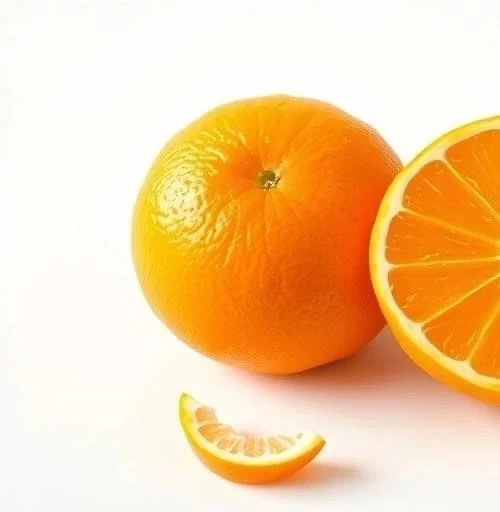
People say an orange is “made of segments” because its juicy interior naturally separates into wedge-shaped sections․ When you peel the fruit‚ you can usually pull these sections apart without cutting them․ The phrase describes what we see and eat‚ but it also reflects the orange’s underlying botanical structure․
A fruit with an organized interior
Botanically‚ an orange is a hesperidium: a specialized‚ berry-like fruit characteristic of citrus plants․ Its outer rind protects the fruit‚ while the edible interior is divided by thin membranes into chambers․ Each chamber contains many tiny‚ fluid-filled juice sacs—the soft‚ juicy parts we notice when we bite into an orange․ The segments are therefore not separate fruits; they are connected parts of one fruit․
The divisions develop from the flower’s ovary․ An ovary is made up of compartments‚ and‚ as the fruit grows‚ these compartments form the sections visible inside the mature orange․ Their number can vary‚ though many oranges have around ten․ The exact count is not a rule: it depends on the particular flower and fruit‚ so an orange may have more or fewer segments․
Why the wedges come apart
Thin natural membranes mark the boundaries between the sections․ They help keep the juice sacs of each chamber together‚ while the central core and the fruit’s inner structure hold the whole interior in place․ Because these boundaries are already present‚ peeling and separating an orange follows its natural pattern․ A knife can divide the fruit in other ways‚ but it does not create the segments․
That is why “an orange consists of segments” is a useful everyday description‚ even though it is not a complete botanical definition․ More precisely‚ an orange is one citrus fruit whose interior is organized into chambers‚ with juice-filled sacs inside them․ The distinction matters: a segment may look like a small piece of fruit‚ but it is not an independent fruit with its own rind․
In short
- The orange is one fruit‚ not a cluster of little fruits․
- Its internal chambers form as the flower’s ovary develops․
- Membranes outline the wedges‚ and juice sacs fill them․
So people use the word “segments” because the orange’s structure makes its flesh easy to divide into recognizable wedges․ The familiar shape is not just a convenient way to serve the fruit; it is a visible result of how the fruit develops․


8 Comments. Оставить новый
The distinction between an orange being one fruit and having many internal segments is clearly explained. I especially appreciated the note that the segments are chambers within the fruit, not separate fruits themselves.
The description of the orange as a hesperidium gives the explanation a solid botanical foundation. The article also translates that technical term into familiar features, which makes the information easy to understand.
This is a helpful explanation of why oranges divide so neatly when peeled. Connecting that familiar experience to the fruit’s botanical structure makes the answer both accessible and informative.
I found the clarification about segment counts particularly useful. Since the number can vary, explaining that there is no fixed count prevents readers from mistaking a common pattern for a strict rule.
The comparison between a segment and an independent fruit is effective. It explains why a wedge may look like a small fruit while still being only one part of the orange.
This article makes a familiar feature of citrus fruit more interesting by explaining how it develops. The progression from the flower’s ovary to the chambers in a mature orange is especially helpful.
A concise and well-reasoned answer to a simple question. I liked the explanation that the membranes and internal structure create the divisions naturally, rather than peeling or cutting producing them.
The article does a good job separating everyday language from botanical terminology. The explanation of the juice sacs and the membranes between them adds useful detail without making the topic difficult to follow.