
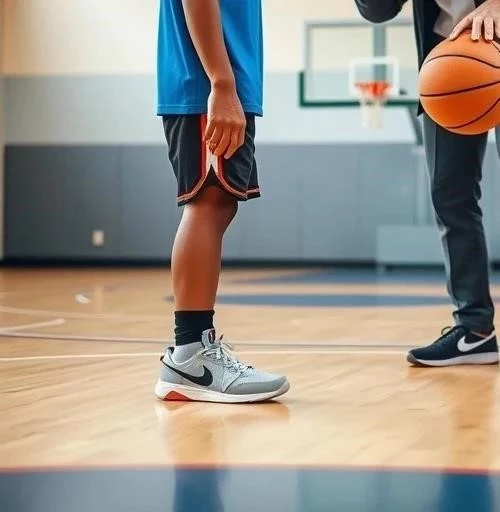
Kicking a basketball may seem like a harmless shortcut: a player can send it away quickly, stop it with a foot, or make a joke during a game. But basketball is built around controlling the ball with the hands, and deliberately using a foot conflicts with the sport’s rules, disrupts fair play, and can create avoidable risks. The key distinction is intent: accidental contact with a leg is not the same as deliberately kicking or blocking the ball with it.
It is against the rules when done deliberately
In standard basketball rules, a player may not deliberately kick the ball or stop it with a leg. A ball that accidentally hits someone’s foot or leg is generally treated differently: play can continue because the contact was not intentional. Officials judge what happened in context, rather than treating every touch below the waist as a violation.
When a referee calls a deliberate kick, the other team is normally awarded possession with a throw-in. The precise administration can depend on the competition and situation, so players should follow the rules used in their league. The purpose of the penalty is not to punish a clumsy player. It is to prevent someone from gaining an advantage through an action that the game does not permit.
It undermines the way basketball is played
Basketball rewards players for dribbling, passing, catching, and shooting with control. These skills make the game challenging: defenders can contest a pass, teammates must communicate, and the ball’s movement depends on technique. A kick can send the ball away without the control and skill that normal play requires. If players were free to use their feet whenever convenient, many familiar skills and defensive choices would lose their meaning.
The rule also makes play more consistent; Everyone knows which actions are allowed, and officials can apply the same basic standard to both teams. Without a restriction on deliberate kicks, players might use a foot to interrupt a pass, knock the ball out of reach, or prevent an opponent from controlling it. That would create arguments about what counts as a legal touch and make fair competition harder to maintain.
A kick is usually less controlled than a hand play
A basketball is designed to be handled and bounced, not kicked. A foot strike can send it in an unpredictable direction, especially if the ball is moving, the court is crowded, or the player is off balance. It may fly into another player, hit someone on the bench, or roll into an area where people are not expecting it. The risk should not be exaggerated—a casual kick will not inevitably cause an injury—but an uncontrolled ball can create a needless hazard.
Trying to kick the ball can also put the kicker at risk. A player may twist awkwardly, lose balance, or collide with someone while focusing on the ball instead of the play. Basketball involves quick changes of direction and close contact; adding an unnecessary kicking motion can make an already crowded moment less safe. Using the hands and following the rules is the sensible choice.
It can interrupt the game and show poor sportsmanship
A deliberate kick often stops play, gives the opponents possession, and forces everyone to wait for the referee’s decision and restart. In a close game, that interruption can break a team’s rhythm or frustrate players and spectators. Kicking the ball away after a whistle can also look like an attempt to delay the restart or express anger. Even if the player means it as a joke, others may read it as disrespectful.
Good sportsmanship means accepting calls, handling frustration calmly, and treating opponents, teammates, and officials with respect. If the ball needs to be returned, pick it up or pass it safely as the situation allows. If a player is angry, arguing or kicking the ball is unlikely to help; listening to the official and getting ready for the next possession is more constructive.
What if the ball hits your foot by accident?
Do not panic if a fast pass clips your shoe or the ball takes an unexpected bounce off your leg. Accidental contact is not automatically a violation. Keep playing unless the referee blows the whistle, and avoid making a deliberate second touch with your foot. If the call is unclear, ask politely during an appropriate pause rather than stopping the game to argue.
You should not kick a basketball because deliberate use of the leg is generally a violation, can give one team an unfair advantage, and may disrupt play or create an avoidable safety risk. It also runs against the skills and sportsmanship that make basketball work. Accidental contact is different from an intentional kick, but when in doubt, control the ball with your hands and let the referee decide what happened.