
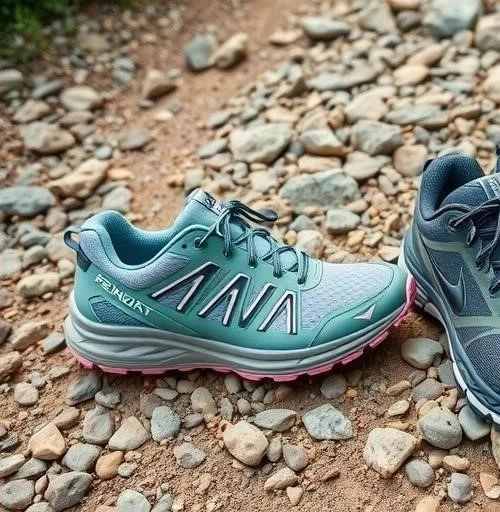
Scope and Criteria for Comparing Women’s Adidas Terrex Trail Running Shoes
This comparison sets neutral criteria for women’s Adidas Terrex trail shoes, while noting that suitability varies by runner and intended use across common review standards․
Model Lineup: Adidas Terrex Agravic, Agravic Flow, Agravic 3, Agravic Speed Ultra, Soulstride, and AX4
Women’s Adidas Terrex lineup spans several named families, so this comparison treats each model as a distinct option rather than assuming one shoe represents the range․ Adidas Terrex Agravic is considered alongside Adidas Terrex Agravic Flow and Adidas Terrex Agravic 3; the similar names identify related entries, not interchangeable versions․ Adidas Terrex Agravic Speed Ultra is included as a separate model in the Agravic group․ Adidas Terrex Soulstride and Adidas Terrex AX4 broaden the lineup beyond those Agravic names․ Names do vary․ Availability and exact versions may differ by market or season, so a product listing should be checked against its full model names․ This lineup overview does not rank the shoes or imply that every version is offered in every women’s size․ It provides a clear frame for comparing the six models without treating shared branding as proof of identical design․
Trail Performance: Grip on Soil, Continental Rubber Outsoles, Stability on Uneven Terrain, Rock Protection, and Running on Mud and Rocks
Trail performance is assessed through grip on soil, outsole contact, stability on uneven ground and protection from sharp rocks․ On loose surfaces, tread layout and rubber compound can affect how confidently a shoe holds a line, though results depend on pace, terrain, and conditions․ Where fitted, a Continental rubber outsole is one factor to compare; the label alone does not establish equal traction across every Terrex model․ Stability on uneven terrain can be judged by how securely the platform tracks across slopes, roots, and changing foot placement, rather than by outsole branding alone․ A protective layer or reinforced forefoot may help limit contact with stones, but coverage and underfoot shielding should be checked for the specific version․ For running on mud and rocks, compare lug spacing and edge definition: sticky ground, wet stone, and compact dirt place different demands on grip too․
Fit and Comfort: Shoe Weight, Sizing, Boost and Lightstrike Cushioning, GORE-TEX Membranes, Waterproof Options, and Comfort on Long Distances
Fit and comfort comparisons consider shoe weight, sizing, cushioning, and weather protection, since each can influence how a model feels over a run․ Check the product’s stated weight and try both shoes with the socks intended for use; foot shape, width, and preferred toe room can change the fit․ Sizing may differ between models, so a familiar size is a starting point, not a guarantee․ Boost and Lightstrike cushioning are distinct options, and personal preference, distance, and pace affect perceived softness and response․ For wet conditions, confirm whether a specific version has a GORE-TEX membrane or another waterproof construction; standard versions may not provide the same barrier․ Waterproofing can also affect breathability and warmth․ For comfort on long distances, assess heel hold, pressure points, and room for natural foot movement during a sustained trial․ Fit may vary across users․
Choosing Women’s Trail Running Shoes: Terrain and Mountain Running Needs, User Reviews, and Prices
Choose women’s trail shoes by matching expected routes, weekly mileage, and personal priorities․ For mountain running, consider elevation, route length, weather exposure, and how frequently terrain changes․ A route-specific shortlist can make the choice clearer than relying on a model name alone․ User reviews may reveal recurring comments, but individual reports reflect different feet, routes, and expectations․ Compare reviews across seasons and check whether a post concerns the same version and intended use․ Prices for women’s Adidas trail shoes can vary by retailer, size availability, region, and season․ Check current listings for discounts, return terms, and clear identification of the exact product․ A practical budget should account for fit testing and the possibility of replacing shoes after wear․ The final choice is personal; no single review score or price establishes universal suitability․ Choose with care․
8 Comments. Оставить новый
The reminder to check full model names and local availability is relevant when comparing product listings.
The article avoids treating shared branding as evidence that the shoes have identical designs.
This overview sets clear comparison criteria while leaving room for differences in fit, use, and individual preference.
I appreciate the distinction between the similarly named Agravic models, which could otherwise be easy to confuse.
Including stability and rock protection alongside grip gives readers several practical factors to consider.
The discussion of traction appropriately recognizes that outsole performance can depend on terrain and conditions.
The article clearly separates the listed shoe models and notes that availability may vary by market and season.
The criteria provide a useful framework for comparing trail shoes without suggesting that one model suits every runner.