
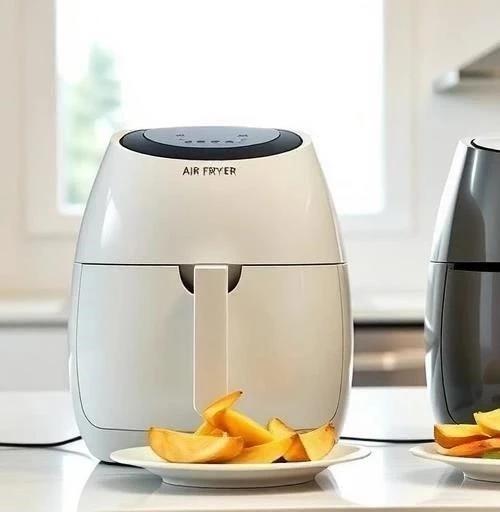
There is no universal winner between Xiaomi and Tefal․ Both brands offer air fryers that can cook with little oil, but the right choice depends on the exact models, household size, budget and features you will actually use․ Comparing brand names alone can be misleading: capacity, basket design and ease of cleaning may matter more than the logo․
What to compare before buying
Start with capacity․ A compact fryer may suit one or two people, while a larger family may need a bigger basket or a model with separate cooking zones․ Check the usable cooking area as well as the stated volume: a tall basket does not necessarily fit a broad layer of food, and overcrowding can make results less even․
Next, consider controls and daily convenience․ Some models rely on straightforward buttons or a dial; others offer a screen, cooking presets or app-based control․ Smart features are useful only if you will use them․ A clear manual, simple temperature adjustment and easy-to-clean parts can be more valuable than extra functions․
Why choose Xiaomi?
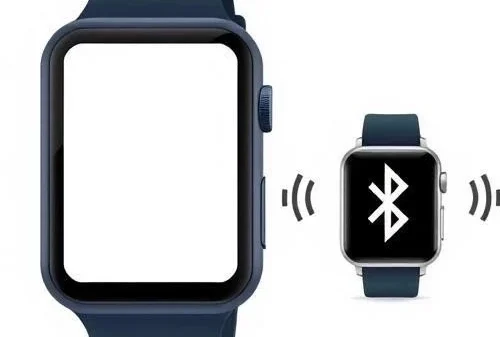
Xiaomi is often attractive to shoppers who want a modern-looking appliance with digital controls and, on selected models, connected features․ App control may let you adjust settings or follow cooking guidance from a phone․ If your home already uses compatible smart devices, this can make the fryer feel like part of a broader system․
However, connected functions should not be the main reason to buy․ They depend on the particular model, app support and your willingness to use a phone while cooking․ Compare the actual basket size, temperature range, cleaning instructions and warranty․ Also check whether the controls remain convenient when the fryer is used offline․
Why choose Tefal?
Tefal is a strong option for buyers who value familiar kitchen-appliance design and practical cooking features․ Its range includes different formats, so it is important to compare models rather than assume every Tefal fryer has the same capacity or functions․ Some designs may suit people who want a simple appliance; others focus on flexibility or larger meals․
Look closely at how the basket and accessories are cleaned, whether parts are dishwasher-safe according to the manual, and how easy the controls are to understand․ If you cook varied dishes, useful presets or a flexible cooking layout may matter․ If you mainly prepare chips, vegetables or reheated food, a simpler model could be sufficient․
Head-to-head: which is better?
- Choose Xiaomi if a specific model offers the capacity you need and you value a digital interface, app features or integration with other smart-home products․
- Choose Tefal if its model provides a more convenient format, controls or accessories for the way you cook—and you prefer not to pay extra for connected features you will rarely use․
- Choose by model, not reputation if prices are close․ Compare independent reviews, warranty terms, replacement-part availability and the cost of useful accessories․
Neither brand automatically cooks better in every situation․ Results depend on the food, quantity, spacing, temperature and cooking time․ A well-sized basket with good airflow can outperform a feature-packed appliance that is too small for your household․ Reviews are most helpful when they test the exact model you plan to buy․
Final recommendation
For a smart, app-oriented experience, Xiaomi may be the better fit—provided the particular model’s capacity and support meet your needs․ For a practical appliance chosen around established cooking formats and everyday usability, Tefal may be preferable․ Before purchasing, compare the exact model numbers, dimensions, basket capacity, cleaning requirements, warranty and current price․ If one model is noticeably easier to clean or better suited to your usual portions, that advantage is likely to matter more than brand loyalty․

5 Comments. Оставить новый
The article makes a helpful point that household size should guide capacity choices. A compact model may be perfectly adequate for one or two people, while families may benefit from a larger basket or separate cooking zones.
I appreciate the balanced discussion of app-based controls. Connected features may be convenient, but the article rightly points out that they are only worthwhile if the buyer will actually use them.
The advice to compare specific models rather than brand names is especially useful. Capacity, basket shape and ease of cleaning can affect everyday use more than a feature list or a familiar logo.
The distinction between stated volume and usable cooking area is a practical detail that is easy to overlook. It helps readers think about how much food can be cooked evenly, not just how large the appliance sounds on paper.
This is a sensible framework for choosing between the brands without making unsupported claims about a universal winner. Comparing warranty, cleaning requirements and offline controls alongside price would help shoppers make an even more informed decision.