
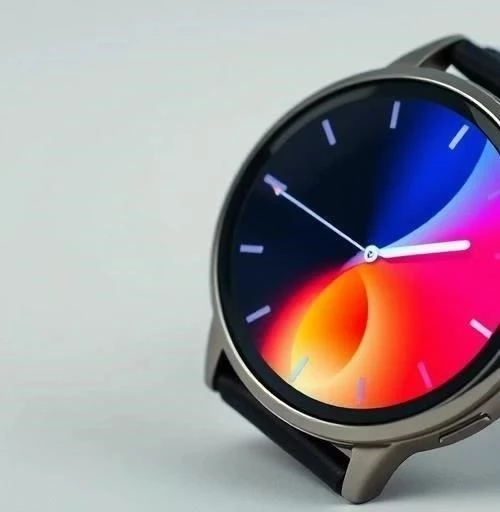
The Xiaomi Watch S1 Pro has a display resolution of 480 × 480 pixels․ That means its round screen contains 480 pixels across and 480 pixels from top to bottom․ It is a crisp, square-resolution canvas tucked inside a circle—more tiny points of light than most watch faces ever need to show, but just what helps make text, icons and colorful complications look polished․
A small screen with a sharp picture
The display measures 1․47 inches diagonally and uses AMOLED technology․ Xiaomi’s published specifications put its pixel density at about 326 pixels per inch (PPI)․ PPI describes how closely those pixels are packed together: the higher the density, the less likely you are to notice individual dots during ordinary use․ On the S1 Pro, lettering can look clean, watch-face details stay defined, and bright colors have the rich contrast associated with AMOLED․
There is a useful distinction here: 480 × 480 is the resolution; 1․47 inches is the screen size․ Resolution tells you how many pixels make the image, while diagonal size tells you how large the display is․ A bigger screen does not automatically mean a sharper picture․ The S1 Pro’s combination of a compact circular panel and a relatively high pixel count is what gives its interface a refined look․
Why does a round watch have a square resolution?
Because screens are built from a rectangular grid of pixels, even when the glass around them is circular․ The watch uses that grid to draw a round interface: pixels near the corners simply fall outside the visible face․ Think of it as a square sheet of graph paper viewed through a circular window․ The resolution describes the full pixel grid, not the shape of the glass․
This also explains why the watch does not show a conventional 480-by-480 square image․ Its menus, dials and widgets are arranged for a circular display, with important information kept away from the curved edges․ The pixel count gives the graphics room to look smooth; the interface design makes that square grid feel naturally round․
What will you notice day to day?
- Watch faces: Fine markings, hands and decorative textures can appear detailed rather than blocky․
- Text and notifications: Short messages and menu labels are easier to read when their edges look sharp․
- Color and contrast: AMOLED pixels can produce deep blacks and vivid colors, giving the dial a more vivid, almost printed appearance․
- Small details: Icons and compact data fields have a generous pixel canvas, although a watch face still has limited physical space․
Resolution is only one part of what makes a display pleasant․ Brightness, viewing angle, software, font size and the design of a particular watch face all matter, too․ A high pixel count cannot turn a tiny notification into a book, and it does not guarantee that every app will use the panel equally well․ It does, however, give the S1 Pro a strong foundation for clear graphics on a wrist-sized screen․
The quick answer
Xiaomi Watch S1 Pro display resolution: 480 × 480 pixels․ The 1․47-inch circular AMOLED panel packs those pixels at roughly 326 PPI․ In plain language, it is a high-density display designed to make the watch’s faces and interface look sharp—not a 480p video screen, but a fine-grained little window for everyday information․
So if you are comparing watches, remember the three numbers: 480 × 480 resolution, 1․47-inch diagonal, and approximately 326 PPI․ Together they describe not just how many pixels the S1 Pro has, but why its small round display can feel surprisingly elegant․
5 Comments. Оставить новый
The square-grid-through-a-round-window image is a delightful way to explain watch screens. Suddenly, pixels feel less like specs and more like tiny stagehands working behind a circular curtain.
I appreciate the clear distinction between screen size and resolution. It’s the sort of detail that saves a shopper from comparing two numbers that are speaking entirely different languages.
The article turns a technical specification into something easy to picture without making it feel oversimplified. I’ll never look at a round watch face without imagining its hidden square canvas.
A crisp screen is lovely, but the best part here is learning why the numbers matter. This is a little pocket-sized lesson in how clever design makes hardware disappear.
A watch display is a miniature city: the pixel density is its street grid, and the interface is the architecture. This explanation makes the engineering feel surprisingly tangible.