
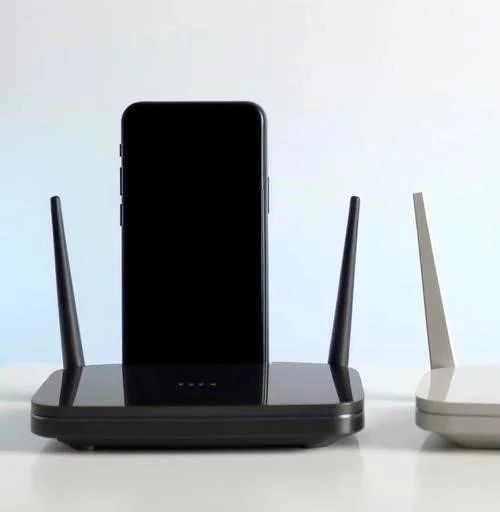
The question “ZTE or Huawei—which is better?” sounds as if it should have one clear answer. In practice, it does not. Both companies make a wide range of products, including smartphones, home routers, mobile hotspots, and telecommunications equipment. A brand that offers the better phone for one buyer may not offer the better router for another. The sensible choice depends on the exact products, the country where they will be used, their prices, and the support available after purchase.
It is also important not to treat a brand’s reputation as a substitute for a model-by-model comparison. Product lines change, regional versions can differ, and a feature offered on one device may be absent from another carrying the same logo. The most useful conclusion is therefore conditional: Huawei may be the stronger choice when its particular device, software, or ecosystem fits your needs; ZTE may be the better buy when it provides the required features at a lower price or is easier to service locally.
The Short Answer
Choose Huawei if a specific Huawei model has the stronger camera, display, battery life, software features, or connected-device integration you want—and if its apps and services work properly in your region.
Choose ZTE if its comparable model costs less, supports the network bands you need, includes the features that matter to you, and has reliable local warranty coverage. For routers and mobile hotspots, a straightforward setup and stable connection may be more valuable than a longer feature list.
Choose neither by brand alone. A well-matched device from either manufacturer is usually a better purchase than a more expensive or prestigious model that is incompatible with your carrier, missing essential apps, or difficult to repair.
What the Brand Names Do—and Do Not—Tell You
ZTE and Huawei are major Chinese technology companies with experience in consumer electronics and communications equipment. That broad description gives some context, but it does not establish that every product from either company is reliable, fast, or good value. A flagship smartphone and an entry-level handset from the same manufacturer can differ greatly in processor performance, camera quality, materials, and update support. Likewise, an inexpensive router should not be judged by the features of a premium model from its competitor.
Company-wide comparisons can be especially misleading because devices are designed for different markets. A phone sold in one country may have different memory, network bands, software, or included services from a similarly named version sold elsewhere. Before ordering online, check the exact model number—not just the product name—and confirm that the seller is authorized and that the device is intended for your region.
Smartphones: Compare the Experience, Not the Logo
Performance and everyday use
For a smartphone, compare the processor, RAM, storage, display, and thermal performance of the models you can actually buy. The processor name alone is not enough: sustained speed, software optimization, and heat management affect how a phone behaves during gaming, navigation, video calls, and multitasking. More RAM may help with keeping several apps open, while sufficient storage matters if you take many photos or download media. A cheaper ZTE phone can be the practical winner if it handles your everyday apps smoothly; a Huawei phone may justify a higher price if its overall experience is better for your particular uses.
Cameras
Do not decide based only on megapixel counts. Lens quality, image processing, stabilization, autofocus, and performance in dim light can matter more. Reviews should include sample photos taken in conditions you care about: portraits, moving subjects, night scenes, or video. One model may produce attractive daylight images while another focuses more reliably or records better video. If photography is a priority, compare real samples from the exact models rather than assuming that either brand always wins.
Software, apps, and updates
Software compatibility is one of the most important checks, particularly for Huawei phones; The availability of Google services and other familiar applications can vary by device, market, and software configuration. Do not assume that every model has the same app experience. Before buying, verify that the apps you depend on—such as banking, work, navigation, messaging, and streaming apps—are available and function as required. A workaround may be acceptable to an enthusiast but frustrating for someone who wants a phone that works immediately.
ZTE devices also need to be judged by their specific software policy. Check how long the model is expected to receive security updates, how frequently updates are released, and whether the phone sold in your region is covered. An inexpensive handset can become a poor long-term value if support is short or uncertain. When two phones are otherwise similar, longer and clearer update commitments are a meaningful advantage.
Battery, charging, and durability
Battery capacity, measured in milliamp-hours, is only one part of the story. Screen size, processor efficiency, signal strength, and software all affect how long a device lasts. Look for independent battery tests or reviews that describe a typical day of use. Also check charging speed, whether a charger is included, and the cost of replacing the battery. For durability, consider water-resistance ratings, screen protection, repairability, and whether replacement parts are available locally. These practical details can matter more than a small advantage in benchmark scores.
Routers and Mobile Hotspots: Compatibility Comes First
For a home router or mobile hotspot, the first question is not which brand is more famous; it is whether the device works with your internet service. Check supported cellular bands, 4G or 5G compatibility, SIM restrictions, Ethernet ports, Wi-Fi standards, and the number of devices it can serve. A router that lacks a band used by your carrier may deliver weak coverage or fail to connect, no matter how impressive its advertised maximum speed looks.
Next, consider the layout of your home, expected number of users, and typical workload. Streaming video, video meetings, online gaming, and large downloads place different demands on a network. Compare independent tests where possible, and pay attention to performance at a distance—not just speed beside the router. A model with external antennas, mesh support, or a suitable placement option may be more useful in a large home than a theoretically faster device with limited coverage.
Ease of setup, security updates, parental controls, guest networks, and administration tools also deserve attention. For a household that wants a simple connection, clear instructions and a reliable app may outweigh advanced settings. For a small office, stability, remote management, and timely security patches may be essential. Compare what each exact model offers and find out whether its software will continue to be maintained.
Price, Warranty, and Local Support
The best-value product is not always the one with the lowest purchase price. Include the cost of accessories, delivery, repairs, and a possible replacement in your decision. Find out how warranty claims work in your country, how long repairs normally take, and whether service is handled by the manufacturer or the seller. A discounted import may have limited local support or a warranty that is difficult to use. That risk can erase the savings if the device develops a fault.
Retail prices also fluctuate. Instead of comparing launch prices or a remembered reputation for affordability, compare current prices for products with similar specifications and warranty terms. If Huawei costs substantially more, identify the concrete benefit you are paying for. If ZTE is cheaper, confirm that the saving does not come with missing network support, less storage, shorter updates, or a weaker warranty. A price difference is persuasive only when the products are genuinely comparable.
Security and Privacy: Use a Practical Standard
Security deserves careful consideration for any connected device, but it should be evaluated with evidence rather than slogans about a brand’s nationality. For consumer products, examine the update policy, password and encryption options, security settings, transparency of support, and whether the manufacturer has a clear way to report vulnerabilities. Use a unique administrator password, install updates, disable features you do not need, and buy from a trustworthy seller. These steps matter regardless of whether the device is made by ZTE, Huawei, or another company.
Organizations should apply a stricter process than individual shoppers. A business or public agency may have procurement rules, network policies, or regulatory obligations that restrict particular vendors or equipment. In that situation, follow the relevant policy and consult the organization’s security team; a general consumer comparison cannot replace a formal risk assessment. For a personal purchase, base the decision on the rules that apply where you live and on the device’s actual support and configuration.
A Simple Comparison Checklist
- Define the use: smartphone, home router, mobile hotspot, or another product. Compare only devices intended for the same purpose.
- Check the exact model: confirm the model number, regional version, memory, storage, and included accessories.
- Verify compatibility: check carrier bands, SIM restrictions, app availability, and any required services.
- Compare independent tests: focus on the tasks you actually perform, including battery life, camera samples, coverage, or sustained performance.
- Review support: check security updates, warranty terms, repair options, and local service availability.
- Calculate total value: compare the current price with the features and support you will realistically use.
Verdict: Which One Should You Buy?
There is no universal winner between ZTE and Huawei. For smartphones, Huawei can be the better choice when the specific model offers the experience and features you want and its application ecosystem suits your needs. ZTE can be the smarter purchase when a comparable device meets your requirements at a lower total cost and has dependable local support. For routers and hotspots, network compatibility, coverage, security maintenance, and ease of management should carry more weight than brand reputation.
The most defensible decision is to compare two or three exact models available in your country. Check the same essentials for each: performance, camera or network quality, battery, software, updates, warranty, and current price. If one model clearly wins on the features you will use—and has no serious drawback in compatibility or support—it is the better choice for you. The brand name is a starting point for research, not the verdict.
3 Comments. Оставить новый
The conditional conclusion is sensible: neither manufacturer is automatically the better choice across phones, routers, and hotspots. I especially appreciate the reminder that a lower price matters only if the device meets the buyer’s needs and can be serviced locally. Readers should still verify current specifications and carrier-band support for the exact model.
The article makes a useful distinction between comparing brands and comparing specific devices. Its emphasis on regional app availability, network compatibility, and warranty support gives readers practical factors to check before buying. A side-by-side comparison of particular models would make the advice even more actionable.
This is a balanced introduction that avoids treating brand reputation as proof of product quality. The short answer is clear, though the article would be stronger if it included concrete examples showing how two comparable ZTE and Huawei models differ in price, software support, and performance.