
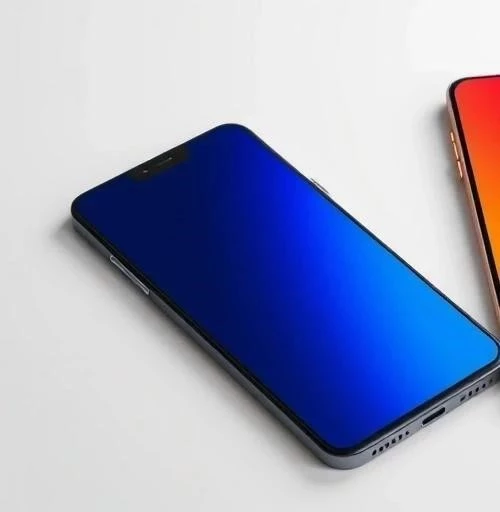
Choosing between ZTE and Xiaomi is a little like choosing between a clever shortcut and a well-stocked toolbox. Both brands make phones across a wide range of prices‚ and neither wins every contest. The better choice depends on the particular models—and on what you want your phone to do when the novelty wears off.
First‚ compare phones—not just logos
A brand name is a useful starting point‚ not a verdict. A budget Xiaomi and a premium Xiaomi can differ dramatically; the same is true of ZTE. Compare two phones in the same price bracket and check their release dates‚ storage‚ software support‚ and local versions. Even a strong specification can lose its shine if the phone is an older model‚ unavailable in your region‚ or missing a band your carrier uses.
Comparison services such as NanoReview‚ Kimovil‚ and Versus can help you put specifications side by side. Treat their figures as a map‚ not the destination: prices‚ software versions‚ and regional configurations change. Whenever possible‚ check the manufacturer’s local product page and recent owner reviews too.
Where Xiaomi often makes its case
Xiaomi is a natural first stop if you want plenty of choice. Its broad catalogue can make it easier to find a phone aimed at a specific budget or feature set. Depending on the model‚ you may find a fast display‚ a large battery‚ quick charging‚ or capable cameras without moving into flagship territory. That mix can be appealing to shoppers who like to compare specifications and hunt for value.
The trade-off is that a crowded catalogue can feel like a maze: similar names may hide meaningful differences. Software experience also deserves attention. Read reviews of the exact model and check which version of the operating system it runs‚ what updates are promised‚ and whether the interface suits you. Do not assume that a feature on one Xiaomi appears on every Xiaomi.
Why ZTE may be the smarter surprise
ZTE is worth a serious look if one of its specific models matches your priorities better. The company sells devices in different categories‚ including conventional smartphones and‚ in some markets‚ gaming-oriented or foldable options. A phone designed around a particular use can be more tempting than a famous badge: a high-refresh-rate screen may matter to a gamer‚ while a simpler‚ well-priced handset may be ideal for calls‚ maps‚ and messaging.
Availability is especially important here. ZTE’s range and support can vary by country‚ so confirm that the exact model is officially sold where you live. Check warranty coverage‚ repair options‚ carrier compatibility‚ and the promised update schedule before buying. A bargain is less charming if a cracked screen turns into an international expedition.
The real-life comparison
- For value: Compare street prices‚ not launch prices. Look at storage and memory as well as headline features.
- For photos: Read camera samples and reviews in daylight and at night. Megapixels alone do not tell the whole story.
- For gaming: Check sustained performance‚ cooling‚ display response‚ and battery life—not only a single benchmark score.
- For everyday comfort: Hold the phone if you can. Weight‚ size‚ speakers‚ and fingerprint-reader placement become daily facts.
- For long ownership: Investigate security updates‚ warranty terms‚ and local service before paying.
Benchmarks can help explain performance‚ but they are not the whole movie. A synthetic score is a controlled snapshot; real use includes heat‚ background apps‚ software tuning‚ and the games you actually play. Likewise‚ a large battery does not guarantee longer days if the screen and processor consume more power. Compare independent tests of the exact models whenever possible.
So‚ which is better?
Choose Xiaomi if its particular model gives you the features and price you want‚ and you are comfortable with its software and update policy. Choose ZTE if a specific ZTE handset offers a better fit‚ is officially supported in your region‚ and wins on the things you value most. There is no reliable brand-wide rule that makes one the universal champion.
Before checkout‚ write down your top three needs—perhaps camera‚ battery‚ and compact size—then compare two exact model names. Check current prices‚ local network compatibility‚ update commitments‚ and recent reviews. If one phone wins your priorities without forcing you to pay for features you will never use‚ that is the better phone for you.
The clever choice is not the logo with the loudest reputation. It is the device that quietly does its job‚ day after day‚ and still feels like a good decision when the unboxing paper is long gone.


4 Comments. Оставить новый
A helpful, level-headed guide for shoppers who enjoy the hunt but don’t want to get lost in a catalogue. I’d especially welcome the same model-by-model approach carried through the article’s ZTE section.
The “shortcut and toolbox” comparison is a memorable way to frame the choice. It leaves room for personal priorities instead of declaring a brand-wide winner—a refreshing change from phone debates that treat logos like sports teams.
I like the reminder that a spec sheet is a map, not the territory. A dazzling battery number means little if the phone lacks local network support or its software is already aging.
The best advice here is to compare actual models, not the logos on their boxes. Phone shopping can feel like navigating a maze of nearly identical names, and this gives readers a useful compass.