
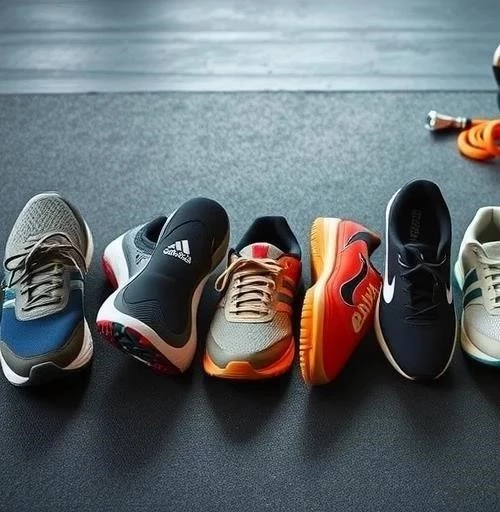
The right CrossFit shoe should feel secure during lifting, stable during fast changes of direction, and comfortable enough for running, jumping, and conditioning. No single model is ideal for every athlete: a firm, low platform can support heavy lifts, while a more flexible design may feel better in workouts with frequent running. The list below compares 20 notable options by their general strengths and trade-offs. It is a guide, not a universal ranking; fit, training style, and availability should influence the final choice.
What to look for
- Stability: A broad base and firm midsole help keep the foot planted during squats, deadlifts, and loaded carries.
- Flexibility: Some give in the forefoot can make burpees, lunges, and short runs feel more natural.
- Fit: The heel should stay secure, with enough room for the toes to spread. Try shoes on with the socks used for training.
- Durability and grip: Reinforced uppers and dependable traction matter for rope climbs, sled work, and repeated floor contact.
20 shoes to consider
-
Reebok Nano X4
A versatile option for athletes who combine lifting, gymnastic movements, and conditioning. Its stable platform suits strength work, while its more adaptable feel is useful when a workout includes varied exercises. Check the fit around the midfoot before choosing a size.
-
Reebok Nano X3
This model aims to balance support with flexibility for all-around gym sessions. It can suit athletes who want one shoe for lifting and mixed workouts rather than a dedicated running shoe. Those who prefer a very firm, minimal feel may want to compare it with a more rigid option.
-
Reebok Nano X2
A cross-training design with a broad base and a secure feel underfoot. It is worth considering for strength-focused sessions and general functional fitness. As with older models, availability and condition can vary, so inspect the outsole and upper when buying from resale listings.
-
Nike Metcon 9
The Metcon line is known for a stable platform suited to lifting and short, intense gym work. This model may appeal to athletes who prioritize support during strength movements and want a reinforced shoe for demanding sessions. Its relatively firm feel is less suited to longer runs.
-
Nike Metcon 8
A sturdy training shoe designed for gym workouts that include lifting and explosive movements. Its firm base favors stability, while the construction is intended for repeated use. Runners who cover substantial distance in workouts may prefer a more flexible, cushioned alternative.
-
Nike Free Metcon 5
More flexible than a traditional lifting-focused trainer, this shoe can work well for sessions with lunges, bodyweight exercises, and short runs. It offers a different balance from the standard Metcon: greater freedom of movement, but less of a rigid platform for maximal lifting.
-
TYR CXT-1
A cross-training shoe built with a stable base and a secure fit for lifting and functional workouts. It can be a candidate for athletes who want support under load without using a specialized weightlifting shoe. Fit preferences vary, so trying it on is especially useful.
-
TYR CXT-2
This training model is designed for a mix of strength work and dynamic movements. Its stable feel may suit gym sessions with barbell lifts, while the overall fit should be checked for heel hold and toe room. Compare it directly with the CXT-1 if both are available.
-
Under Armour TriBase Reign 6
A low-profile trainer intended to keep the foot close to the ground during strength and agility work. It is a reasonable choice for athletes who value a planted feel and direct contact with the floor. It may feel less forgiving during longer runs than a running shoe.
-
Under Armour TriBase Reign 5
This earlier version offers a training-oriented platform for lifting, conditioning, and gym drills. It may be appealing if found at a lower price, though fit and wear should be evaluated carefully. The best choice between versions depends on comfort rather than model year alone.
-
Inov-8 F-Lite 260 V2
A relatively lightweight cross-trainer for athletes who want a flexible shoe for varied sessions. It can suit agility work and moderate lifting, particularly for people who dislike bulky footwear. For very heavy lifts, compare its support with firmer, more structured models.
-
Inov-8 F-Lite 300
This option is designed for functional fitness, combining a training-focused fit with support for gym movements. It may work for workouts that alternate between strength and conditioning. The exact feel depends on foot shape, so pay attention to width and heel security;
-
Inov-8 F-Lite 245
A lighter, more flexible choice for athletes who value freedom of movement during fast-paced workouts. It can be comfortable for drills and shorter runs, but its suitability for heavy lifting depends on the athlete’s preference for cushioning and platform firmness.
-
NOBULL Trainer+
A durable-looking trainer with a stable feel for general gym use. It may suit workouts involving lifting, carries, and short conditioning intervals. Those who need extra cushioning or a particularly accommodating toe box should try it on rather than relying on the model name alone.
-
NOBULL Trainer
A straightforward cross-training option for athletes who prefer a firm, simple platform. It can support varied gym sessions and has a less specialized feel than shoes made for running. Consider comfort during jumping and short runs, where a firm sole may not suit everyone.
-
Adidas Dropset 3
A strength-oriented trainer with a platform intended to feel stable during resistance exercises. It may be a good match for athletes whose CrossFit sessions include frequent squats and deadlifts. For workouts dominated by running, its lifting-focused design may feel less natural.
-
Adidas Powerlift 5
This is primarily a weightlifting shoe rather than an all-purpose CrossFit trainer. Its raised heel and rigid construction can help with dedicated barbell lifts, but they are less convenient for running, rope climbs, and many bodyweight movements. It is best treated as a specialized second pair.
-
PUMA Fuse 3.0
A gym shoe aimed at functional training, with a stable feel for strength work and a design suited to varied exercises. It may be worth comparing for athletes seeking an alternative to the best-known CrossFit lines. Check traction and overall fit for the surfaces used in training.
-
RAD ONE
A cross-training model intended to balance a supportive base with mobility for mixed workouts. It may suit athletes who alternate between barbell work and conditioning and want a dedicated gym shoe. Because availability can be limited in some areas, confirm sizing and return options.
-
Born Primitive Savage 1.0
A functional fitness shoe designed for gym training across strength and conditioning movements. It can be considered by athletes looking for a purpose-built alternative to mainstream models. Try it with movements such as squats, jumps, and short runs to judge its versatility.
Choosing by training style
For sessions centered on heavy lifting, start by comparing the Metcon, Dropset, TriBase Reign, and other firm-platform models. If your workouts include frequent running, jumping, or agility drills, prioritize comfort and forefoot flexibility; the Free Metcon or a lighter F-Lite may feel more suitable. Athletes who train across all these areas should look for a balanced fit rather than selecting solely by brand or marketing claims.
Fit can matter more than small differences in design. Try both shoes, stand, walk, and perform a few controlled squats if the retailer allows it. The heel should not slip excessively, and the toes should not be compressed. Replace worn shoes when the outsole loses grip or the midsole no longer feels supportive. A dedicated running shoe or weightlifting shoe may be useful as a second pair when training demands are specialized.
Bottom line
The best CrossFit shoe is the one that matches the athlete’s workouts, foot shape, and comfort preferences. Use this list as a shortlist, then compare fit, stability, grip, and flexibility in person where possible. Product versions, prices, and availability change over time, so verify current specifications before purchasing.
2 Comments. Оставить новый
The article presents useful criteria for comparing cross-training shoes, especially the distinctions between stability, flexibility, fit, and durability. Its reminder that the best choice depends on an athlete’s training style keeps the recommendations appropriately balanced.
The guide is organized in a practical way, beginning with selection factors before moving into individual models. Readers may find it helpful to compare the listed trade-offs with their own workout needs and try on shoes before making a decision.