
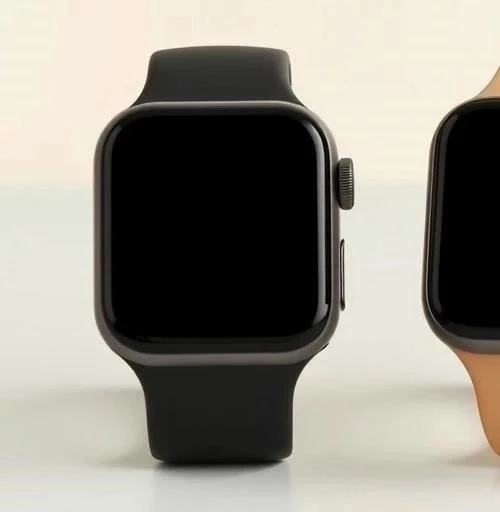
The Apple Watch Series 8 comes in two case sizes: 41 mm and 45 mm. These figures refer to the approximate height of the watch case, not the screen’s diagonal measurement. So, if you are asking “Apple Watch 8—how many mm?”, the answer depends on which version you mean: Series 8 is available in both sizes.
What do 41 mm and 45 mm mean?
The 41 mm model has a case measuring approximately 41 × 35 × 10.7 mm; the 45 mm model measures about 45 × 38 × 10.7 mm. The larger version also has a larger display area, which can make text and controls easier to see and tap. However, the difference is not simply cosmetic: the case takes up more room on the wrist, so the larger watch may feel less comfortable for some people.
Which size should you choose?
Choose 41 mm if you prefer a more compact watch, have a smaller wrist, or want a discreet everyday look. Choose 45 mm if you value a larger display, have a broader wrist, or find small on-screen text difficult to read. Neither size is universally better. Comfort, readability, and personal preference matter more than choosing the biggest model available. If possible, try both sizes on: a few millimeters can noticeably change how the watch looks and feels.
Check the band fit
Band compatibility is also worth checking before you buy. Apple’s band sizing groups generally pair the 41 mm case with bands made for 38, 40, and 41 mm watches, while the 45 mm case works with bands for 42, 44, and 45 mm models. Always check the specific band’s compatibility listing, particularly if you are buying a third-party strap or using an older one.
Bottom line
Apple Watch Series 8 is 41 mm or 45 mm. The number identifies the case size, not the screen diagonal. For a smaller, lighter-feeling fit, consider 41 mm; for a larger viewing area, consider 45 mm. Measure your wrist and compare both cases if you can. That is a more reliable way to choose than relying on the number alone, because wrist shape and preferred fit vary from person to person.
7 Comments. Оставить новый
The suggestions connect size choice to everyday needs, such as reading small text and preferring a discreet look. This gives readers concrete factors to consider before purchasing.
This is a clear explanation of what the 41 mm and 45 mm measurements refer to. Clarifying that they describe case height rather than screen diagonal addresses a common source of confusion.
The band-compatibility section is a helpful addition because buyers may already own an older strap. The reminder to check the specific listing is especially useful for third-party bands.
Including the case dimensions adds useful context beyond the headline sizes. It helps readers understand that the difference affects the watch’s overall fit, not just its display.
This article balances the benefits of a larger display with the possibility that a larger case may feel uncomfortable. That balanced framing makes the size comparison more useful than simply recommending one option.
The bottom line summarizes the main distinction effectively: these numbers identify case size, not screen diagonal. Readers can quickly take away the key point without losing the practical guidance.
The advice to prioritize comfort and readability over choosing the larger model is practical. Since wrist shape and personal preference vary, trying on both sizes is a sensible recommendation.