
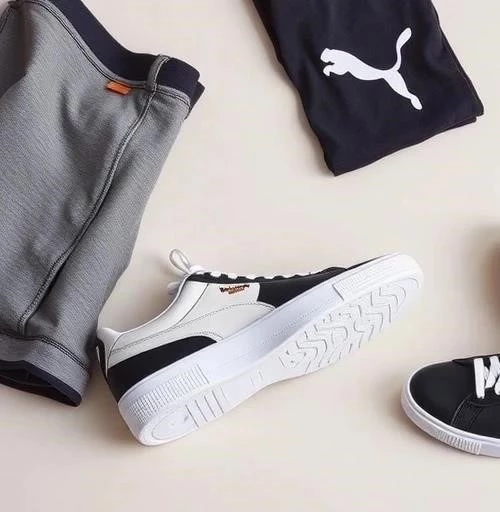
PUMA is a long-established German sportswear brand with a broad range of footwear, from performance-focused designs to casual sneakers inspired by sport and streetwear․ That variety makes the brand easy to encounter when shopping for shoes to wear to work, school, errands, or social outings․ Yet “PUMA sneakers” do not describe one uniform product: shape, cushioning, materials, weight, and price can differ substantially between models․ A pair that feels comfortable for one person or purpose may be a poor match for another․ The best way to judge PUMA for everyday use is to consider the qualities that commonly matter in casual footwear, then check the details of the exact pair before buying․
What counts as an everyday sneaker?
An everyday sneaker is usually expected to do several jobs reasonably well․ It should feel comfortable during ordinary walking, work with more than one outfit, be manageable to care for, and hold up to regular use․ It may also need to suit a commute, a day of shopping, or several hours on your feet; These demands are different from those of a specialized running or court shoe․ A casual PUMA model may borrow athletic styling or technology, but that does not automatically make it the right choice for intense training, long-distance running, or every kind of workplace․ Think of daily wear as its own use case, and evaluate the sneaker accordingly․
Advantages of PUMA sneakers for daily wear
A wide choice of styles
One of PUMA’s clearest strengths is variety․ The brand’s catalog includes sporty silhouettes, classic-looking designs, and more contemporary casual options․ This gives shoppers a chance to choose between a low-key sneaker that blends into an outfit and a bolder pair that acts as its focal point․ Familiar brand details, such as a prominent logo or recognizable side stripe, may appeal to people who enjoy athletic-inspired fashion․ Because the range is broad, it is possible to find shoes for different clothing preferences rather than settling for a single house style․ The trade-off is that appearance varies by model: liking the brand does not mean every design will suit your wardrobe․
Easy to incorporate into casual outfits
Many casual PUMA sneakers pair naturally with jeans, chinos, shorts, and everyday streetwear․ Neutral colors can be especially useful if you want one pair to coordinate with much of your closet, while brighter colors and distinctive details provide more personality․ A sporty shoe can make a simple outfit feel relaxed and intentional without requiring much planning․ Some designs also sit comfortably between athletic and casual looks, which can make them useful for a range of informal settings․ However, dress codes vary․ A sneaker that looks smart with dark trousers may still be unsuitable for formal occasions or workplaces that require polished leather shoes․
Potential for comfortable, lightweight walking
Comfort is a major reason people choose sneakers for routine activities․ Depending on the model, PUMA footwear may offer a cushioned midsole, a flexible sole, a padded collar, or a soft lining․ These features can make a shoe pleasant for walking around town and handling ordinary daily tasks․ Some lightweight designs also feel less cumbersome than heavier footwear, which can be welcome during a commute or when you are on the move․ Still, comfort is personal and cannot be guaranteed by a brand name or a product description․ Foot shape, arch needs, walking style, socks, and the shoe’s construction all affect how it feels after several hours․
Options at different price points
PUMA products are sold through the brand’s own store and a range of retailers, so shoppers may find different styles, prices, promotions, and sizes depending on where they look․ This can make it easier to compare options and wait for a discount rather than buying the first pair you see․ A lower price can be attractive for a daily shoe, especially if you are not looking for specialist performance features․ Check what is included in the offer, though: sale prices, availability, delivery, and return policies vary between retailers and locations․ A discount is useful only if the shoe fits well and meets your needs․
A familiar sportswear identity
For people who already enjoy sportswear, PUMA’s athletic heritage and recognizable visual identity can be part of the appeal․ The brand is associated with sports footwear and apparel, but many of its casual shoes are designed to be worn beyond exercise․ That crossover can be convenient if you want an everyday sneaker with a sporty appearance rather than a formal or minimalist one․ A recognizable label may also make it easier to browse a large selection, although branding alone says little about comfort, durability, or value․ Treat the logo as a style preference, not as evidence that a particular shoe is suitable for your feet․
Disadvantages and points to consider
Fit can vary between models
There is no guarantee that one PUMA model will fit like another․ Differences in toe-box shape, width, upper material, heel structure, and closure can change the way a shoe feels; A pair may be comfortable in your usual size while another feels tight across the forefoot or loose at the heel․ Online size charts are helpful starting points, but they cannot fully account for individual foot shape or personal preference․ If possible, try both shoes on and walk around in them, ideally later in the day when feet may be slightly larger․ When ordering online, review the retailer’s return terms and leave enough time to exchange a pair that does not fit․
Cushioning may not suit every routine
A cushioned sneaker can feel soft at first, but “soft” does not always mean supportive or comfortable over a long day․ Some wearers prefer a firmer, more stable platform; others want extra cushioning․ The right balance depends on your body, the surfaces you walk on, and how long you wear the shoes․ A casual sneaker may also lack the specific support that someone with particular foot concerns has been advised to seek․ If you need orthotics, have recurring pain, or spend most of your shift standing, examine the insole, removable-footbed design, stability, and available width․ Consult a qualified professional for persistent discomfort rather than assuming that a new sneaker will solve it․
Not every model is made for every activity
Sporty styling can create the impression that a casual sneaker is suitable for exercise, but intended use matters․ A fashion-oriented daily shoe may not provide the grip, stability, fit, or construction required for running, court sports, hiking, or demanding gym sessions․ Conversely, a performance shoe may feel overly technical or look too athletic for some everyday outfits․ Read the product description carefully and distinguish between a shoe designed primarily for casual wear and one intended for a specific sport․ If you want a single pair to cover several uses, be realistic about the compromises: a versatile shoe may be convenient, but it will not necessarily excel at each activity․
Materials and durability differ
Upper materials may include textile, synthetic components, leather, or combinations, and each has different strengths and care requirements․ A light fabric can be breathable but may show dirt or wear more readily; a coated or smoother material may be easier to wipe clean but feel warmer or less flexible․ Construction and outsole design also affect how a pair ages․ It is not reliable to make a blanket promise about how long all PUMA sneakers last, because frequency of use, walking surfaces, weather, care, and individual gait all matter․ Inspect stitching, sole attachment, tread, and high-wear areas; Rotating shoes and cleaning them appropriately can help, but no everyday sneaker is indestructible․
Weather resistance is not automatic
Most casual sneakers should not be assumed to be waterproof․ Even if the upper looks substantial, seams, laces, and the opening around the ankle may let water in․ Textile styles can be particularly inconvenient in prolonged rain, while smooth uppers may be easier to wipe down but still lack a waterproof construction․ If your routine includes wet weather, check for explicit water-resistance information and consider whether you need a dedicated rain shoe instead․ The outsole also deserves attention: tread patterns that work well on dry pavement may not feel secure on slick surfaces․ Choose footwear for your local conditions rather than relying on appearance alone․
Style and branding are not universally appealing
PUMA’s recognizable athletic details are a benefit for some shoppers and a drawback for others․ A large logo, bright accent, or chunky silhouette may not fit a preference for understated footwear․ Even a classic design may feel too sporty for an office wardrobe or too casual for an event․ Color options also affect practicality: pale uppers can show dirt sooner, while dark shades may be easier to coordinate but feel less distinctive․ Look at the shoe from different angles and imagine it with the clothes you actually wear․ A model can be attractive in product photos yet less useful once you consider your daily outfits․
How to choose a pair that works for you
- Start with your routine․ Estimate how much you walk, whether you stand for long periods, and what surfaces you use․ A shoe for short errands has different demands from one worn all day during a commute and a shift․
- Check fit rather than guessing from the label․ Your toes should have comfortable room, your heel should not slip excessively, and the upper should not create pressure․ Try the shoes with the socks you normally wear․
- Assess support and flexibility․ Bend and walk in the pair, and notice whether the cushioning feels pleasant and stable to you․ If you use orthotics, make sure the insole arrangement accommodates them․
- Choose materials for your climate and habits․ Consider breathability, cleaning, rain exposure, and how often you are willing to maintain the shoe․
- Think about your wardrobe․ A versatile color and uncomplicated silhouette may get more use, while a striking design is worthwhile if you genuinely enjoy wearing it․
- Compare the total purchase conditions․ Check the current price, sizing availability, authenticity, delivery details, and return or exchange policy at the retailer․
Buying online: a practical checklist
PUMA footwear is available through the brand and multiple online retailers, but stock, pricing, and service differ by market and seller․ When shopping online, use a current size guide and read the listing closely․ Confirm the model name, color, materials, and intended use; similar-looking shoes may have different specifications․ Check recent reviews for comments about fit, but treat them as clues rather than universal rules, since reviewers have different feet and expectations․ Buy from a seller whose identity and return process are clear․ If a listing seems unusually vague or the price looks implausibly low, verify the seller before paying․ Keep packaging and proof of purchase until you are sure the pair works for you․
Care tips for everyday use
Basic care can help a pair remain presentable․ Remove loose dirt with a soft brush or cloth, and follow the care instructions for the materials rather than applying one cleaning method to every shoe․ Avoid soaking footwear unless the manufacturer says it is suitable, and let damp shoes dry naturally away from direct heat․ Removing the insoles, if they are designed to come out, may help them air between wears․ If you walk a lot, alternating between two pairs gives each more time to dry and can reduce the effect of daily wear․ Replace a pair when the sole is badly worn, the shoe no longer feels secure, or damage affects its comfort․
Who may appreciate PUMA everyday sneakers?
PUMA may be a good place to look if you want an athletic-inspired casual style, enjoy having multiple design choices, and can find a model that fits comfortably at a price you consider reasonable․ The brand may also suit shoppers who value a sneaker that can move between errands, casual social plans, and everyday outfits․ It is less straightforward for anyone who needs a highly specific fit, specialized support, formal styling, or dependable wet-weather protection․ Those needs do not rule out every PUMA model, but they make careful model-by-model comparison especially important․ A brand-wide reputation cannot substitute for checking the construction and trying on the actual shoe․
Verdict: are PUMA sneakers worth wearing every day?
They can be․ The main advantages are the breadth of styles, easy casual styling, the possibility of comfortable everyday cushioning, and the chance to compare models and prices across retailers․ The main cautions are equally practical: fit and support vary, materials differ in care and durability, casual designs are not automatically suited to sport, and weather protection should never be assumed․ PUMA is therefore not a universal answer so much as a brand with options worth considering․ Choose by fit, comfort, intended use, and construction first; use color, logo, and discount as secondary factors․ If the pair feels good during a realistic try-on and matches your routine, it may serve well as an everyday sneaker․ If it pinches, slips, or feels unstable, another model—or another brand—is the better choice․
Quick summary
- Pros: varied sporty and casual designs, broad outfit compatibility, potentially comfortable lightweight options, and opportunities to compare prices and availability․
- Cons: fit is not consistent across every model, cushioning is subjective, durability depends on materials and use, and casual shoes may not suit sports or wet conditions․
- Best approach: identify your daily needs, check the exact model’s details, try it on when possible, and buy from a seller with clear return terms․
In short, everyday PUMA sneakers can be a practical and stylish choice when the specific design suits your feet and routine․ The strongest recommendation is not to buy by brand name alone: compare the shoe you are considering with what your daily life actually asks of it․
9 Comments. Оставить новый
Good point about considering work, commuting, and time spent on your feet. Those needs can make a big difference when choosing shoes.
The reminder to evaluate the exact model is helpful. Comfort and fit can vary a lot across a brand’s range.
The variety of styles is a real advantage, especially for anyone looking for an everyday shoe that suits their wardrobe.
I appreciate the distinction between casual sneakers and shoes designed for running or training. It’s easy to assume one pair can do everything.
The style discussion is useful for shoppers who want a sneaker that works with several outfits, not just athletic clothing.
Clear and sensible advice for everyday shoe shopping. Comfort, durability, and the activities you have planned all deserve consideration.
This makes a useful case for checking the details of a specific pair before buying, rather than treating all PUMA sneakers alike.
A practical overview that focuses on how sneakers are actually used day to day, rather than relying only on brand reputation.
I like the balanced approach. PUMA offers plenty of options, but the right choice depends on fit, comfort, and intended use.