
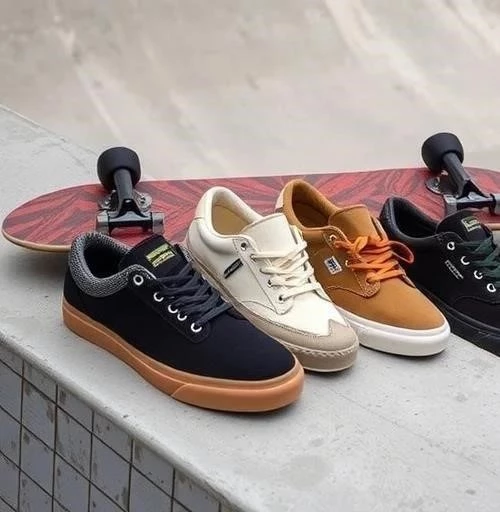
Good skate shoes need to do more than look right․ They must grip the board‚ protect your feet from repeated impacts‚ withstand abrasion and feel comfortable enough for long sessions․ Fortunately‚ a €200 budget gives you plenty of choice: most durable skate-specific models cost far less‚ leaving room to compare construction‚ fit and style rather than simply buying the most expensive pair․
This guide covers reliable brands and representative models commonly available below €200 in Europe․ Prices vary by country‚ season‚ colourway and retailer‚ so treat the figures as typical retail ranges‚ not guarantees․ A popular collaboration or limited release may cost more‚ while older colourways are often discounted․ For skateboarding‚ prioritise the regular production model’s construction and fit over a rare colour or resale price․
What makes a shoe suitable for skateboarding?
A skate shoe should have a grippy outsole‚ a secure fit and materials that can take friction from grip tape․ Suede is generally a strong choice for the areas that contact the board; canvas can feel light and flexible‚ but may wear through sooner unless reinforced․ Look for sturdy stitching‚ rubber toe protection‚ a well-attached sole and laces positioned away from the most exposed part of the shoe․
There are two common sole styles; Vulcanised shoes have a flexible feel and good board connection‚ which many skaters like for technical tricks․ Cupsole shoes usually offer more structure and impact cushioning‚ though they can feel stiffer at first․ Neither construction is automatically best: preference‚ skating style and how much cushioning you need all matter․ Try the shoes on where possible‚ and allow for a short break-in period․
Vans
Vans is one of the most recognisable skate-shoe brands‚ with a wide selection of silhouettes and price points․ For actual skating‚ compare skate-specific models such as the Skate Old Skool‚ Skate Slip-On and Half Cab rather than assuming every classic Vans shoe has the same reinforcements․ Skate versions typically add features intended to improve durability‚ grip and cushioning over lifestyle counterparts․
The Skate Old Skool is a versatile low-top for skaters who want flexibility and familiar styling․ The Half Cab offers a higher collar and extra coverage around the ankle‚ making it a popular choice for people who prefer a more substantial shoe․ Depending on the version and retailer‚ many Vans skate models sit roughly in the €75–€120 range․ They are a strong option for board feel and everyday wear‚ although skaters who want maximum impact protection may prefer a more cushioned cupsole․
Nike SB
Nike SB combines familiar Nike designs with skate-focused details‚ including padded collars‚ reinforced materials and responsive cushioning on selected models․ The Chron 2 and Force 58 are often more accessible choices than sought-after Dunk colourways․ The Chron 2 has a straightforward‚ flexible profile; the Force 58 offers a cupsole construction and a look inspired by classic Nike basketball shoes․
Many regular Nike SB models fall around €75–€130‚ but prices for Dunks can be unpredictable․ A standard retail release may be within budget‚ while a limited edition or resale pair can exceed €200 without offering better performance for your needs․ Check that the shoe is a genuine skate model‚ confirm the seller’s return policy and avoid paying a premium simply because a particular colour is popular․ Nike SB suits skaters who want a balance of cushioning‚ support and familiar styling․
Adidas Skateboarding
Adidas Skateboarding brings classic sports designs into skate-specific versions․ The Busenitz is known for a supportive‚ football-inspired shape‚ while the Campus ADV offers a lower-profile look with skate-oriented construction․ Models and materials differ‚ so check the product description rather than relying on the name alone; Some versions use a cupsole for structure; others may feel more flexible․
Typical prices for many Adidas skate shoes are about €70–€130‚ with discounts frequently bringing previous-season colourways lower․ The brand is worth considering if you prefer a secure fit and a shoe that transitions easily from skating to everyday use․ The Busenitz can feel more substantial than a simple vulcanised shoe‚ which some skaters appreciate for support․ As with any brand‚ the right choice depends on foot shape: try them on if the toe box or instep tends to cause problems for you․
New Balance Numeric
New Balance Numeric applies the brand’s footwear experience to skateboarding․ Popular models include the 306‚ developed with Jamie Foy‚ and the 440‚ a more traditional-looking option․ The 306 has a clean‚ relatively simple profile‚ while the 440 range is often chosen by skaters looking for a more padded‚ supportive feel․ Construction varies by model and version‚ so compare the details before buying․
Most standard Numeric shoes are commonly priced around €80–€140‚ keeping them comfortably below the €200 ceiling․ They can be a particularly good match for skaters who value cushioning and a more structured fit․ Some models feel bulkier than thin vulcanised shoes‚ which may reduce the immediate sense of board contact for riders used to a minimal sole․ If possible‚ test a few models in person‚ especially if you have wide feet or need more room in the forefoot․
Etnies
Etnies has a long history in skateboarding and remains a strong value-focused choice․ The Marana is a well-known model associated with durability and substantial protection‚ while the Joslin range offers another skate-ready option․ Etnies models often use reinforced areas and robust soles‚ useful features for skaters who regularly wear through the toe or sole of lighter shoes․
Expect many Etnies skate shoes to retail roughly between €70 and €130‚ though materials and seasonal releases affect the final price․ The Marana may feel too heavy or stiff for someone who wants a thin‚ flexible shoe‚ but that sturdier build can suit high-impact skating and longer wear․ Look for the exact version and construction: models with similar names can differ in cushioning‚ flexibility and reinforcement․
DC Shoes
DC offers a broad range‚ from bulkier cupsole designs to slimmer vulcanised models․ The Kalis Vulc and Manteca are examples worth comparing: the former has a skate-inspired profile‚ while the latter is a familiar padded option․ The brand’s range makes it possible to choose between a more substantial feel and a simpler‚ more flexible shoe without leaving the same general style family․
Many DC skate shoes cost around €65–€120‚ with sale prices sometimes lower․ Their padded designs can be comfortable straight out of the box‚ and a fuller shape may appeal to skaters who like extra coverage․ On the other hand‚ a bulky shoe is not ideal for everyone‚ particularly if precise board feel is your main priority․ Check the weight and sole profile‚ and consider whether the model’s fit works with your usual socks․
Lakai
Lakai specialises in skate footwear and is a good brand to investigate if you want a distinctly skate-focused option without paying luxury prices․ Models such as the Cambridge and Telford illustrate the range: some designs feel relatively streamlined‚ while others provide a more padded‚ traditional cupsole profile․ Available versions can differ in materials and construction․
Typical prices are often around €70–€120‚ although availability varies by country and shop․ Lakai can offer strong value for skaters who want a practical shoe from a brand rooted in skateboarding․ Before ordering‚ check the current model’s sole type and reinforcement‚ and read recent fit notes rather than assuming sizing is identical across every Lakai silhouette․ A model that suits one skater’s narrow foot may not feel right on a wider foot․
Emerica
Emerica is another skate-specialist brand with a reputation for straightforward‚ functional footwear․ The Wino G6 and Reynolds models are examples to look for‚ with different shapes and levels of cushioning across the range․ Many Emerica shoes keep a classic skate aesthetic‚ making them easy to wear off the board as well as during a session․
Most regular styles are often found for approximately €65–€120․ The brand is worth a look if you prefer a less fashion-led design and want to compare vulcanised and cupsole options․ Durability still depends on how and how often you skate‚ as well as the shoe’s materials and your foot placement․ Check whether the toe area is reinforced‚ particularly if you do a lot of flip tricks that create friction in the same spot․
Converse CONS
Converse CONS adapts familiar Converse shapes for skating․ The One Star Pro and AS-1 Pro are examples of skate-specific models; they should not be confused with standard lifestyle versions that may lack skate-focused features․ Depending on the release‚ CONS shoes can offer a relatively low profile‚ useful flexibility and a classic look that works beyond the skatepark․
Many pairs are priced roughly between €70 and €120․ They can appeal to skaters who like a closer-to-the-board feel‚ but a thinner profile may not provide the impact protection that some people need․ If you skate big drops or have sensitive feet‚ compare cushioning carefully and consider a more supportive alternative․ Check product specifications because details can change between models and releases․
Globe
Globe makes skate shoes in a range of styles‚ from slimmer designs to more padded options․ The brand often represents good value for everyday skating‚ and many models include durable materials and grippy soles․ Specific construction differs between lines‚ so compare the product information for the exact shoe rather than treating all Globe models as interchangeable․
Prices are commonly around €60–€110‚ though some releases may cost more․ Globe is a practical brand to include in a shortlist if you want to stay well below €200 or are looking for a discounted second pair․ Pay attention to fit and toe reinforcement: attractive pricing is less useful if the shoe slips at the heel or wears through quickly for your style of skating․
Quick comparison
- Best all-round selection: Vans Skate models‚ with familiar shapes and a wide choice of skate-specific designs․
- For cushioning and support: New Balance Numeric or a more substantial Etnies or DC model;
- For a classic sports-inspired look: Nike SB or Adidas Skateboarding‚ while avoiding inflated resale prices․
- For skate-specialist value: Lakai‚ Emerica‚ Etnies or Globe‚ depending on local availability and fit․
- For a lower-profile feel: selected Converse CONS or vulcanised models from Vans and other brands․
These are starting points‚ not absolute rankings․ A highly rated model that pinches your toes is a worse purchase than a less famous shoe that fits securely and feels comfortable․ Skateboarding also wears footwear quickly‚ so the most expensive option is not automatically the most economical one․ Compare the price against the likely lifespan and check whether replacement pairs‚ sale colours or previous-season models are available․
How to choose the right pair
- Decide how much cushioning you need․ If your sessions involve hard landings or your feet get sore‚ try a cupsole or a model with substantial impact protection․ If flexibility and board feel come first‚ test a vulcanised shoe․
- Check the fit carefully․ Your heel should feel secure and your toes should not be crushed․ Sizing can vary between brands and models; use the retailer’s size chart and return policy‚ and try both feet when shopping in person․
- Inspect the wear zones․ Look for reinforced suede‚ rubber protection or durable stitching where your front foot contacts the grip tape․ Consider your own wear pattern‚ since different tricks and stances damage shoes in different places․
- Think about conditions․ Suede and leather may need more care in wet weather‚ while a very thin or open design may be less suitable for cold‚ damp sessions․ No skate shoe is automatically waterproof․
- Buy from a trustworthy retailer․ Compare final prices‚ delivery charges‚ return terms and product descriptions․ Be cautious with unusually cheap listings for limited or popular models․
Final recommendation
For most skaters spending under €200‚ the best approach is to shortlist two or three skate-specific models and choose the one that fits best․ Vans Skate Old Skool or Half Cab‚ Nike SB Chron 2 or Force 58‚ Adidas Busenitz or Campus ADV‚ New Balance Numeric 306 or 440‚ and durable options from Etnies‚ DC‚ Lakai‚ Emerica‚ Converse CONS and Globe all deserve consideration․ Most regular models cost substantially less than €200‚ so you do not need to spend the full budget to get a capable pair․
Prices and availability change‚ and performance depends on your feet‚ skating style and how often you ride․ Use the €200 limit as a ceiling rather than a target: prioritise fit‚ construction and the type of board feel you enjoy․ A comfortable‚ properly reinforced shoe from a regular release is usually a smarter skate purchase than an expensive resale pair chosen for its name alone․
5 Comments. Оставить новый
The explanation of suede, grip tape wear and reinforced areas gives readers a solid checklist for comparing shoes. It is a clear and practical start to the guide.
I appreciate the reminder to prioritise fit and durability over a limited colourway. The price caveat is useful too, since availability and discounts can vary a lot between retailers.
This is a balanced guide that avoids claiming one sole type is best for everyone. The focus on trying shoes on and allowing time to break them in is especially sensible.
Good advice for beginners who may not know the difference between skate-specific shoes and everyday models. I would find a fuller fit comparison helpful, but the introduction is informative.
A helpful overview of what matters in a skate shoe, especially the comparison between vulcanised and cupsole construction. The practical buying advice makes the guide useful beyond just listing brands.