
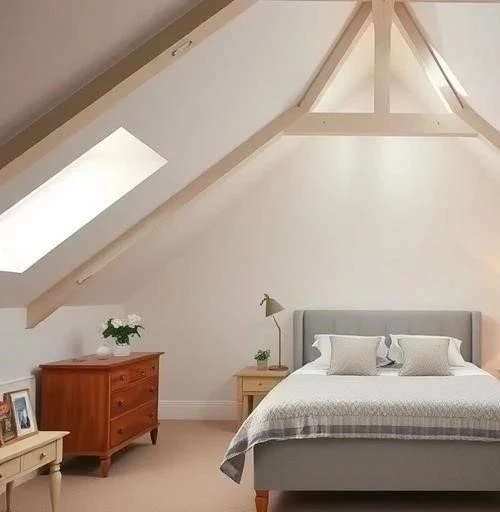
A classic attic interior can combine traditional elegance with the practical needs of a compact upper floor. Before choosing furniture or finishes, assess the roof pitch, headroom, natural light and condition of the structure. A thoughtful design for an attic floor works with its unusual geometry rather than trying to conceal it.
Plan the layout and structure
Begin by dividing the room into clear functional areas. Zoning the space can create a bedroom in the attic, a living room on the upper floor or a quiet home office. Place low furniture beneath the sloping roof, and reserve the areas with the greatest headroom for circulation and everyday activities. Keep the arrangement balanced: symmetry in the interior, such as matching bedside tables or paired lamps, helps a traditional room feel composed.
Inspect the roof and rafters before finishing work begins. Proper attic insulation helps maintain a comfortable temperature, while suitable ventilation for the attic floor reduces the risk of condensation. These technical measures are essential to the durability of the finishes and the comfort of the rooms.
Choose classic finishes
Finishing an attic in a classic style does not require elaborate decoration everywhere. Natural materials, including timber and stone, add warmth and suit a pitched roof. Wooden panels can cover selected walls or roof slopes; painted surfaces keep the space lighter. If structural ceiling beams are visible, restore and finish them carefully. They can become a feature without overwhelming the room.
Use a light color palette to make low or narrow areas feel more open. Traditional details such as stucco, cornices and moldings can define the transition between walls and ceiling, but should be scaled to the room. A restrained pattern and consistent finishes create a more cohesive effect than many competing ornaments. Parquet flooring is a classic option; choose a durable finish and consider the direction of the boards when planning the layout.
Lighting, furniture and decor
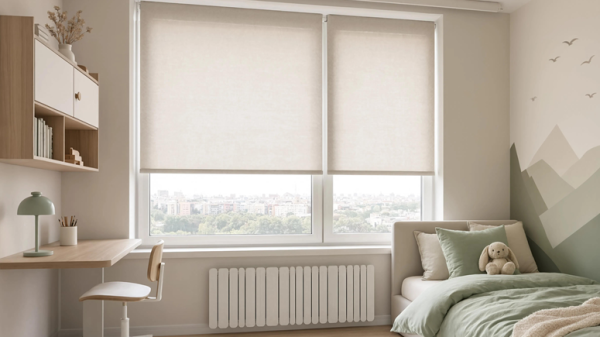
Skylights bring daylight into the attic, but their placement and size affect both comfort and furniture arrangements. For attic lighting, combine general illumination with reading lamps and wall lights. A crystal chandelier can provide a traditional focal point where the ceiling height allows it; in lower areas, compact fixtures are more practical. Select curtains for attic windows according to the window type, and ensure they can be opened easily. Classic-style textiles—such as wool, linen or subtle patterned fabric—can add softness without making the room feel crowded.
Choose classic furniture with proportions suited to the sloping ceiling. A fireplace in a classic interior may serve as a focal point in a suitable living area, provided installation and safety requirements are met. Complete the attic decor with a few framed prints, a mirror or carefully chosen accessories. The result should feel balanced, comfortable and appropriate to the architecture, rather than like a collection of period details.

3 Comments. Оставить новый
The article offers a clear overview of planning an attic interior, balancing layout and structural considerations with design choices. Its emphasis on assessing the roof and improving insulation and ventilation is useful.
This is a well-organized introduction to creating a classic attic room. It appropriately notes that design decisions should account for the room’s proportions and that technical preparation matters as much as appearance.
The practical guidance on using low spaces for furniture and reserving taller areas for movement makes the layout advice easy to apply. The suggestions for finishes also encourage a cohesive look without excessive decoration.