
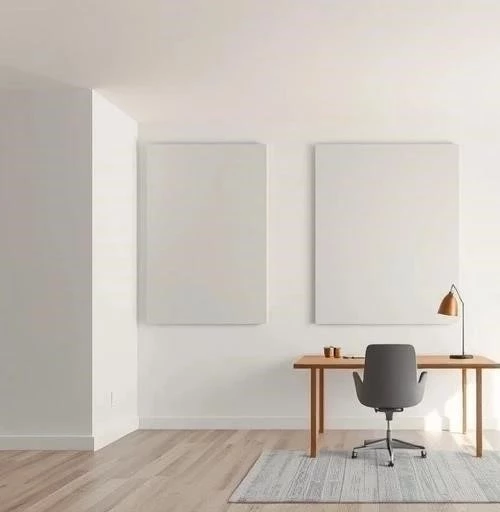
Gypsum panels can help create a calmer office without disrupting a restrained design․ However‚ they are not a universal solution: their performance depends on the room‚ the panel type and the installation․ Treating them as decoration alone can leave speech unclear and noise still distracting․
Choosing panels without assessing the room
A frequent mistake is selecting panels before considering room size‚ furnishings and use․ Hard floors‚ glass and bare walls increase sound reflection and reverberation‚ which may cause echo in a private office or make speech difficult to follow in a meeting room․ Estimate the room’s acoustic needs first․ The required coverage and panel placement depend on the surfaces that reflect sound and on where people speak and listen․
Do not assume that every gypsum panel absorbs sound equally․ Perforated gypsum panels and other acoustic products have different constructions and performance․ Check product data and choose panels suitable for the frequencies and conditions involved․ Incorrect panel selection may produce little improvement‚ even when the finish looks appropriate․
Installation and layout errors
Panels placed randomly may leave the main reflection areas untreated․ Plan their location in relation to desks‚ seating and sound sources․ Consider spacing as well as coverage: panels installed too close together or too far apart may not provide the intended balance․ A professional room-acoustics assessment can help determine the layout‚ especially for a conference room․
Installation also matters․ Prepare the walls‚ follow the manufacturer’s fixing instructions and keep panels level․ Poor fixing can cause gaps‚ movement or damage․ Unplanned cavities behind panels may affect performance; where the system requires airflow‚ preserve ventilation behind them․ Poorly designed connections can create acoustic bridges that transmit vibration through the structure․ Avoid improvised adhesives or fixings that are not approved for the panel system․
Balancing acoustics with minimalist design
In a minimalist office interior‚ acoustic treatment should support the design rather than overwhelm it․ Decorative wall panels can provide a clean‚ consistent finish‚ but appearance alone does not guarantee sound absorption․ Avoid covering every wall without calculation: excessive treatment can make a room feel acoustically unnatural‚ while too little leaves reverberation unchanged․ Coordinate panel dimensions‚ color and placement with the overall workspace design․
Gypsum panels mainly address sound within a room; they do not automatically provide sound insulation between rooms․ If the goal is to reduce noise passing through a partition‚ assess the complete wall construction‚ doors‚ joints and service penetrations․ Improving sound absorption in an office and insulating a private office are related but distinct tasks․
Planning for reliable results
Before an office renovation‚ define the problem: echo‚ poor speech intelligibility or sound transmission․ Select suitable sound-absorbing materials‚ calculate coverage‚ and confirm that the wall can support the system․ Correct preparation and installation are as important as product choice․ These steps help achieve acoustic comfort while preserving a simple‚ functional finish․
Reference keywords: акустические гипсовые панели‚ гипсовые звукопоглощающие панели‚ акустика кабинета‚ звукоизоляция рабочего кабинета‚ звукопоглощение в офисе‚ акустический комфорт‚ акустическая отделка стен‚ отделка кабинета в стиле минимализм‚ минималистичный интерьер офиса‚ монтаж гипсовых панелей‚ размещение акустических панелей‚ перфорированные гипсовые панели‚ звукопоглощающие материалы‚ отражение звука‚ реверберация в помещении‚ эхо в кабинете‚ расчет акустики помещения‚ площадь покрытия панелями‚ расстояние между панелями‚ подготовка стен‚ крепление гипсовых панелей‚ вентиляция за панелями‚ акустические мостики‚ ошибки монтажа‚ неправильный выбор панелей‚ декоративные стеновые панели‚ дизайн рабочего пространства‚ акустика переговорной‚ шумоподавление в кабинете‚ ремонт офисного помещения․



1 Comment. Оставить новый
The article clearly explains why selecting and placing acoustic gypsum panels requires attention to room conditions, product performance and installation details. Its practical guidance helps readers understand that panels are not a one-size-fits-all solution.