
Why Delicate Chocolate Shortcakes Deserve a Place in Home Baking
Delicate chocolate shortcakes deserve home baking because their tender crumb and rich flavor make tea time more memorable. This makes tea special.
Choose Shortcrust Pastry Ingredients That Balance Flavor and Texture: Butter, Powdered Sugar, Cocoa Powder, Vanilla Sugar, a Chicken Egg, Wheat Flour, and Baking Powder
Each ingredient earns its place because delicate chocolate shortcakes depend on balance, not excess. Good butter supplies creamy richness, while powdered sugar sweetens gently and helps preserve a fine, tender bite. Cocoa powder should taste rounded rather than harsh, since its bitterness gives chocolate character but can overpower the butter if used without restraint. Vanilla sugar adds fragrance, and a chicken egg contributes cohesion and a mild richness; both support the cocoa instead of competing with it. Wheat flour provides the structure, while a measured amount of baking powder lightens the result; too much can make the crumb cakey and weaken the shortcake’s characteristic delicacy. That restraint is why ingredient quality matters in each bite.
Follow a Simple Recipe for Chocolate Shortcakes: Mix the Dough, Chill It, and Cut Shapes with Cookie Cutters
For a sound plain recipe, bring the dough together gently: overworking develops toughness and hides the delicate, short texture these chocolate shortcakes should have. Mix only until the ingredients form a uniform mass, then flatten it into a disk; this shape chills well and is easier to roll than a ball. Wrap and chill the dough until firm, because cooler pastry is less sticky, holds clean edges, and makes cookie-cutter shapes more distinct. Lightly flour the work surface and rolling pin, then roll to an even thickness so each cutout keeps a consistent outline. Press cookie cutters straight down, lift the shapes neatly, and gather scraps with a light touch. These wise steps make the process simple while protecting the dough’s tender character.
Bake with Control: Set the Oven Temperature and Cooking Time Carefully to Keep the Shortcakes Soft and the Cookies Crumbly
Careful oven control matters because chocolate shortcakes can shift from tender to dry in moments. Preheat fully, then choose a moderate temperature so the outside sets gradually while the center remains soft. An oven thermometer is useful, since the dial may be inaccurate; steady heat is more dependable than guesswork. Check the first tray at the recipe’s stated endpoint, not only by color: cocoa makes browning harder to judge. Remove the cookies when edges look set but centers still feel slightly yielding; residual heat continues the bake. This measured approach protects a soft bite and a crumbly finish, whereas excessive heat or time can make them brittle. Let the tray cool briefly before moving the shortcakes, because delicate warm cookies break more easily.
Finish with Chocolate Icing and Milk Chocolate Chunks for a More Convincing Tea Dessert, Then Present the Step-by-Step Preparation
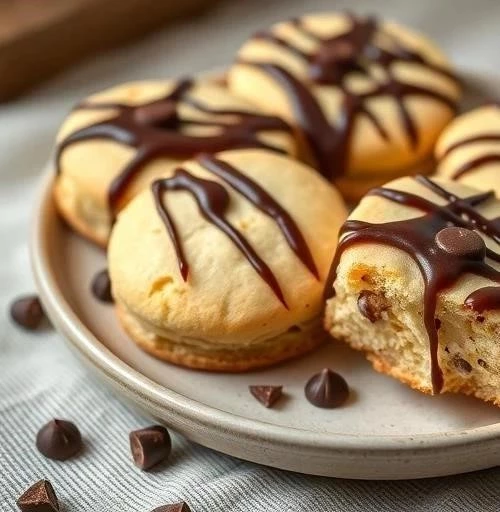
Once the shortcakes are completely cool, add a light layer of chocolate icing; this final touch gives each bite a smooth, glossy finish without masking its delicate cocoa flavor. Scatter small pieces of milk chocolate over the icing while it is still tacky, so they stay in place and offer a pleasant contrast in texture. Keep the decoration restrained: too much topping can overwhelm the buttery crumb, while a modest amount makes the chocolate aroma inviting. Present the preparation as a simple sequence: prepare the icing, spread it thinly, add the chocolate chunks, allow the topping to set, and arrange the finished treats on a serving plate. This order is practical because it keeps the finish neat and makes each shortcake easy to serve alongside tea.


9 Comments. Оставить новый
The advice to mix the dough gently is useful because it explains how technique affects texture, not just how to complete each step. That makes the guidance practical for a home baker.
The emphasis on rolling the dough evenly is a strong detail. Consistent thickness should help the cookies bake at a similar rate and retain neat shapes.
I like the clear explanation of why chilling matters. Firm dough is easier to roll and cut, so this step can improve both the appearance and consistency of the shortcakes.
I appreciate that the article explains the purpose behind the steps instead of presenting them as rules to memorize. That reasoning makes the method easier to apply to other pastry recipes too.
The article makes a persuasive case for restraint in the ingredient balance. I especially appreciate the explanation of how cocoa can overwhelm the butter if used too heavily.
The ingredient descriptions are thoughtful and easy to follow. The article shows that each component contributes a specific quality, which helps readers understand how to make informed adjustments.
This is a helpful introduction to chocolate shortcakes because it connects careful handling with the tender texture the recipe aims for. The practical tips feel especially relevant to beginners.
The discussion of baking powder is useful and measured. Pointing out that too much can make the texture cakey helps readers avoid a common mistake.
This article presents the process as manageable without overlooking the details that shape the result. Its focus on gentle mixing, chilling, and even rolling gives readers a solid foundation.