
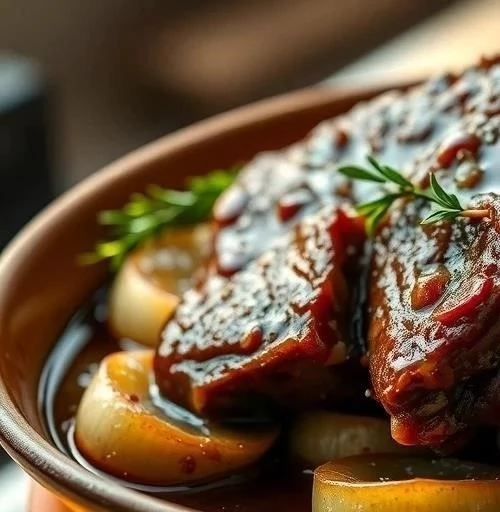
French garlic beef ribs reward patience: slow cooking matters because it softens the meat and deepens flavor, making this choice worthwhile․
Choose Beef Ribs on the Bone, Because Their Richness Makes a More Tender and Satisfying Cut of Beef
Choose beef ribs still attached to the bone, because the bone helps the cut retain its identity and gives each portion satisfying substance․ Look for even, meaty ribs with marbling; these features matter because fat distributed through the beef supports a supple texture, while ample meat around the bone makes servings generous rather than skimpy․ In a French-style dish, this balanced cut feels especially apt: it offers depth without relying on a tenderloin-like delicacy, and its hearty character stands up as the centerpiece․ Bone-in beef is therefore not merely attractive on the plate; it is a reasoned choice for diners seeking richness, a substantial bite, and the comforting appeal of meat served close to its source․
Make a Meat Marinade with Garlic, Onion, Red Wine, Thyme, Rosemary, Bay Leaf, Butter, and Aromatic Spices to Build French Flavor
For a distinctly French profile, make the meat marinade deliberate, rather than crowded: crushed garlic and finely diced onion give it savory depth, while red wine adds brisk acidity․ Thyme, rosemary, and a bay leaf contribute herbal warmth, so each aroma has a clear role instead of masking the beef․ Stir in softened butter for roundness, then add measured aromatic spices, such as black pepper and a small pinch of clove․ Combine thoroughly and coat the ribs evenly; this matters because balanced coverage distributes flavor across the surface․ Let the mixture work under refrigeration, not at room temperature, and reserve any marinade that touches raw meat only for safe cooking․ Thus, French flavor stays balanced․
Use Slow Braising and Oven Cooking with Beef Broth, Since This Method Turns the Ribs into Juicy Braised Meat and Deeply Flavored Roasted Meat
Set the ribs in a snug ovenproof pot and add beef broth until it reaches partway up the meat; full submersion is unnecessary, since gentle steam and moist heat do the work․ Cover tightly and cook in a low oven, keeping the liquid at a quiet simmer rather than a boil․ This slow braise is persuasive because connective tissue softens gradually, leaving the beef juicy instead of dry․ Near the end, uncover the pot briefly: the exposed surface can brown, bringing a roasted character while the broth preserves moisture․ Check tenderness with a fork, not the clock alone, and avoid frequent lid lifting, which releases heat and slows cooking․ The result is deeply flavored, tender ribs․ That keeps broth calm and meat tender throughout․
Rest and Serve the Beef Ribs Recipe as a French Meat Dish, Because Juicy Ribs and a Well-Chosen Side Dish for Beef Make a Memorable Festive Dinner
After cooking, let the ribs rest briefly before serving; this pause is worthwhile because juices settle, so each portion stays moist when cut․ Arrange the beef on a warm platter and spoon a little of its savory pan juices around it, keeping the presentation simple and distinctly French․ For a festive dinner, pair the rich meat with a side dish that offers contrast: buttery potatoes, crisp green beans, or a lightly dressed salad can balance its hearty character․ Choose one accompaniment rather than several competing flavors, since a focused plate makes the ribs the clear centerpiece․ Serve promptly while warm, and provide sturdy cutlery; this thoughtful finish turns a comforting beef dish into a memorable meal in style․

5 Comments. Оставить новый
I appreciate the emphasis on balance rather than adding too many spices. Keeping garlic, onion, wine, and herbs in distinct roles should let the beef remain the main flavor, which is important in a hearty dish.
The article makes a convincing case for bone-in beef ribs by connecting their marbling and substantial portions to a richer, more satisfying meal. That practical explanation helps readers understand why the cut suits a slow-cooked dish.
The article sets up slow cooking as a method suited to ribs, since a tougher, meaty cut benefits from time to become tender. Its focus on patient preparation gives readers a useful sense of what makes the dish work.
The marinade advice is thoughtful because each ingredient has a clear purpose: wine adds acidity, herbs bring aroma, and butter rounds out the flavor. The reminder to refrigerate the meat and handle used marinade safely also makes the guidance more responsible.
The explanation connects ingredient choices with the expected result instead of simply listing steps. That makes the recipe easier to adapt, especially for cooks deciding how much richness or herbal flavor they want.