
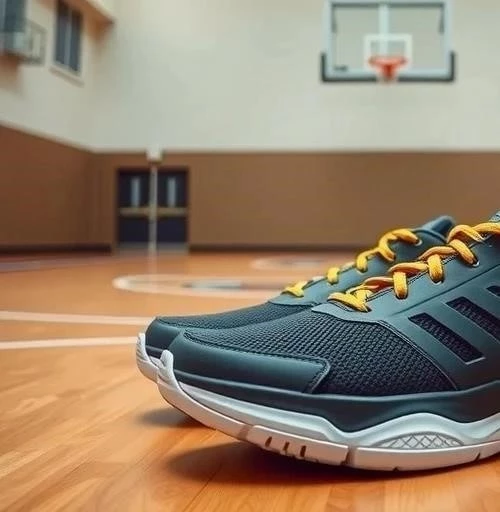
Finding basketball shoes for wide feet can be frustrating: a shoe may feel comfortable while standing still but pinch during cuts, make the toes rub, or let the foot slide over the edge of the sole; HOKA is often associated with cushioned running shoes, and some of its models are sold in wide widths. But there is an important distinction: HOKA’s familiar running and walking shoes are not automatically basketball shoes. This guide explains what wide-footed players should look for, what HOKA might offer, and when a court-specific alternative is the safer choice.
First, are HOKA shoes made for basketball?
HOKA’s best-known products—including the Clifton and Bondi families—are designed primarily for running, walking, or everyday wear. They are not a dedicated basketball line. Basketball involves repeated lateral cuts, abrupt stops, jumps, and landings. Shoes for that job generally need secure side-to-side containment, a stable base, durable court traction, and an upper that holds the foot firmly. A soft, high, rockered running shoe may feel pleasant underfoot but may not provide those features.
That does not mean a HOKA shoe is unsuitable for every person who plays casually. It means you should not choose one simply because it is cushioned or available in a wide size. For regular games, competitive play, or frequent hard cuts, prioritize a purpose-built basketball shoe that fits your foot. If you are considering HOKA for light shooting, warm-ups, or everyday use, assess the fit and stability carefully—and use an indoor court rather than rough outdoor surfaces when the outsole is not designed for them.
What “wide” means—and what it does not
A wide version usually provides more room across some part of the shoe, often the forefoot. It does not necessarily make every dimension wider, nor does it guarantee a roomier toe shape or a deeper upper. Width labels also vary between brands and models. HOKA wide options may be listed as “Wide” or with a width code such as 2E, depending on the model, market, and sizing system. Check the exact product listing rather than assuming that every color or version has the same width choices.
Some HOKA road models, including versions of the Clifton and Bondi, have been offered in wide fits. Availability changes by season and region; a model’s wide option is not proof that it is appropriate for basketball. Confirm the current specifications with the retailer or manufacturer, and check its return policy before ordering. Do not rely on a general review or an old product page to confirm that a specific size is available today.
How to check the fit of a wide-foot shoe
- Measure both feet. Do this later in the day, when feet may be slightly larger. Measure length and width while standing, and fit the larger foot. A specialist running or shoe store can help if you are unsure.
- Try the socks you will wear. Basketball socks can change how a shoe fits. Lace the shoe fully and stand, walk, and gently shift your weight from side to side.
- Check the forefoot. Your toes should be able to spread without pressing against the upper or being squeezed together. There should be a small amount of space in front of the longest toe, but the foot should not move excessively.
- Check the midfoot and heel. The shoe should hold your foot without painful pressure, numbness, or heel slippage. Do not compensate for an overly narrow fit by sizing up so far that the heel becomes loose.
- Test movement, not just standing comfort. If possible, try short, controlled lateral steps on a safe surface. Stop if your foot slides over the platform edge, the upper folds painfully, or your toes strike the front.
Width and volume are different issues. If the sides of your foot feel squeezed but the shoe is otherwise secure, a wide size may help. If the top of your foot is pressed by the laces or upper, you may need more vertical volume or a different lacing pattern. If your toes feel crowded despite a wide label, the toe-box shape may not suit you. Never assume that simply going up half a size will solve a width problem.
HOKA features to consider
Cushioning and stack height
HOKA is known for substantial cushioning. That can feel comfortable for walking and straight-line running, but softness is not the same as court stability. A high platform can feel less secure when changing direction, especially if the upper does not contain the foot. Consider how the shoe feels under lateral load, not only how plush it feels when you first put it on.
Shape and rocker
Many HOKA running shoes use a curved, rockered profile to encourage forward movement. That design may suit a running stride, but basketball asks for controlled movement in multiple directions; A pronounced rocker or unusually shaped sole may feel unfamiliar during defensive slides and quick stops. Try the shoe in movements relevant to your sport before committing to it.
Upper and lockdown
Soft mesh can feel accommodating on a broad foot, but a flexible upper must still hold the foot securely. Look for comfortable, even pressure from the laces and no bulging that suggests the shoe is being stretched beyond its intended fit. Avoid forcing your foot into a narrow regular-width model: excess pressure can cause rubbing, hotspots, or numbness.
Outsole and traction
Basketball traction is designed for court surfaces and basketball movement. A running outsole may have a different tread pattern and rubber compound, and its performance can vary indoors and outdoors. Do not assume that a deep-looking tread guarantees reliable grip. Check the manufacturer’s intended use, inspect the outsole, and avoid playing if the shoe slips or feels unpredictable.
Choosing between a HOKA wide model and a basketball shoe
If your primary goal is everyday walking or running and you also have wide feet, a current HOKA wide option may be worth trying. Clifton models are generally positioned as cushioned road-running shoes; Bondi models are known for a highly cushioned ride. Specific designs and fit can change between versions, so try the exact model you intend to buy. These descriptions are not a recommendation to use either shoe for basketball.
If basketball is the main activity, shop for a court shoe first. Search for basketball models offered in wide sizes or with a naturally accommodating forefoot, then verify that the heel, midfoot, and sidewalls still secure your foot. A shoe that is roomy but lets your foot drift is not a good fit. If you need orthotics, bring them to the fitting and confirm that they sit properly without crowding the shoe.
Players with very wide feet may find that a model’s wide version still does not work. In that case, try a different last or brand rather than forcing the fit. A specialist retailer may have several widths to compare. Ask about indoor versus outdoor use, outsole durability, and the return window. When buying online, order only when you can test the shoes indoors and return them in resaleable condition if they fail the fit check.
Common mistakes to avoid
- Choosing by cushioning alone. Soft foam can be comfortable but does not guarantee lateral support or court grip.
- Assuming “wide” means basketball-ready. Width describes fit, not the shoe’s sport-specific construction.
- Sizing up to cure pinching. Extra length can create heel movement and reduce control. Try a wider size or another shape instead.
- Ignoring discomfort during a short try-on. Pain, tingling, pressure, or toes rubbing are reasons to reconsider the fit, not problems you should expect to “break in.”
- Using worn or unsuitable soles on court. Traction changes with wear, dust, and surface. Replace footwear that has lost grip or feels unstable.
Care and break-in
Basketball shoes should feel secure and comfortable from the start; a brief, gentle break-in may soften materials, but it should not be used to fix a shoe that is too narrow. Wear new court shoes for short sessions before relying on them in a full game. Keep the outsole clean, allow shoes to dry between uses, and check for uneven wear. If you use a running shoe for its intended purpose, follow the care instructions on its label and avoid washing it in a way the manufacturer does not recommend.
Bottom line
HOKA may offer wide-fitting running or walking models that appeal to people with broad feet, but a wide HOKA is not automatically a basketball shoe. For regular play, choose a court-specific design with a secure heel and midfoot, enough toe room, dependable traction, and stable lateral support; Try it on with basketball socks and test controlled side-to-side movement. If you are shopping for a HOKA model for walking or running, confirm that the exact version is available in your width and judge its comfort independently of its suitability for the court. The right choice is the shoe that fits your foot and matches your activity—not simply the one with the softest cushioning or the widest label.
2 Comments. Оставить новый
I appreciate the balanced explanation: HOKA cushioning may be comfortable, but that alone does not make a shoe suitable for basketball. This is a useful reminder to check fit and stability before playing.
A helpful distinction between wide sizing and actual basketball performance. The advice to prioritize lateral stability and court-specific traction makes this guide practical for players with wide feet.