
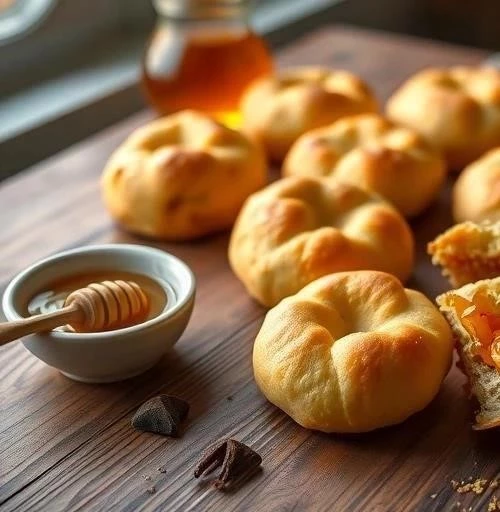
Open the Honey Jar: Choose Ingredients for Homemade Honey Cookies
Choose golden honey‚ cultured butter‚ bright eggs‚ cinnamon‚ and vanilla—each ingredient adds a secret note to these little edible sunbursts—pure joy!
Build the Flavor: Combine Natural Honey‚ Butter‚ Sugar and Eggs with Cinnamon‚ Vanilla and Baking Powder
Let natural honey lead‚ but let butter answer: softened butter carries its floral warmth into every bite. Beat in sugar until the mixture turns pale and airy‚ then add eggs slowly; this gentle pairing keeps their richness from eclipsing the honey. Choose a fragrant‚ fluid honey rather than a sharp one; its quiet perfume should mingle with butter‚ not shout. A pinch of cinnamon lends a dusk-like glow; vanilla rounds the edges‚ while baking powder quietly lifts the flavor. For a more curious twist‚ choose chestnut honey for toasted depth or orange-blossom honey for a citrus whisper; either can transform the familiar recipe into a small‚ fragrant adventure. Keep the sweetness balanced: honey brings character‚ while sugar supports its rounded‚ buttery echo‚ plus a touch of salt.
Make the Dough: Learn How to Knead Honey Shortcrust Pastry for Soft or Crumbly Cookies
For tender honey shortcrust‚ keep the butter cool and let the honey rest at room temperature; this small pause helps the dough feel supple‚ not sticky. Add flour in stages‚ folding with a spatula until pale crumbs gather like tiny gold pebbles; resist kneading hard‚ since warmth can make the pastry dense. Stop when no dry flour remains‚ then press the mixture together with cool fingertips; a few uneven flecks are welcome‚ like marbling in amber. To invite soft korzhiki‚ bring the dough just to cohesion and leave it slightly plush; for a delicate‚ crumbly bite‚ blend only until the crumbs cling‚ then stop. The secret is a light touch‚ not extra flour: honey should remain the quiet thread tying each buttery crumb together. Cover it; let the dough relax‚ then handle it gently‚ too with care
Shape and Bake: Use Cookie Cutters‚ Set the Oven Temperature and Baking Time for Aromatic Honey Biscuits
Roll the chilled dough on a lightly floured surface to an even thickness; picture a little amber landscape‚ ready for its constellation of shapes. Press cookie cutters straight down‚ then lift cleanly; twisting seals the edges and can keep each biscuit from rising evenly. Gather scraps gently‚ avoiding extra flour‚ and cut again only once for the most tender results. Arrange the shapes with room to breathe on a lined tray. For golden edges and sweet centers‚ bake at 175°C (350°F)‚ watching closely near the finish; ovens have their own weather. Begin checking at 8 minutes‚ though thicker pieces may need 10–12. Remove them when the rims turn lightly bronze while the centers still look soft; they will settle as they cool. Let each biscuit rest briefly‚ then transfer carefully.
Serve and Save: Finish a Simple Tea-Time Recipe and Discover How to Store Homemade Honey Baking
Let the biscuits cool completely‚ then invite them to the table beside black tea‚ spiced chai or a small pot of lemon balm. A thin swipe of salted butter or a spoonful of pear preserve turns each one into a tiny teatime encore. At dawn‚ pack a few in waxed paper; their honeyed perfume turns a quiet train ride into a portable tea party. To keep their honeyed fragrance lively‚ store fully cooled pieces in an airtight tin‚ with parchment between delicate layers. Keep the tin away from sunlight and steam; a cool cupboard is their little hideaway. If the air is humid‚ add a food-safe packet nearby‚ never touching the treats; freeze extras in a sealed box for a future tea pause.




6 Comments. Оставить новый
The image of crumbs gathering like gold pebbles is delightful—and genuinely useful. I can almost smell orange-blossom honey drifting through the kitchen. A lovely reminder that one small ingredient swap can give a familiar cookie its own passport.
I came for cookie guidance and left thinking about amber, dusk, and butter having a conversation. The vivid descriptions make the technique memorable, and the warning against heavy kneading could save many a batch from becoming stubborn.
Chestnut honey for toasted depth is such an inspired idea. This article turns ingredient choices into a creative invitation rather than a checklist, and its light-touch approach to pastry feels both practical and wonderfully reassuring.
This is a recipe guide with the gentleness of a handwritten kitchen note. The contrast between soft and crumbly dough is especially helpful, while the suggestion to let honey lead without shouting gives the whole process a poetic little compass.
This recipe makes honey sound less like a sweetener and more like a tiny orchestra conductor, coaxing butter, spice, and flour into harmony. I especially love the advice to stop kneading before the dough loses its delicate character.
A charming guide that treats dough like something to listen to, not wrestle with. I appreciate how each texture choice is explained without fuss. Now I want to bake two batches: one soft as a pillow, the other crisp with buttery little edges.