
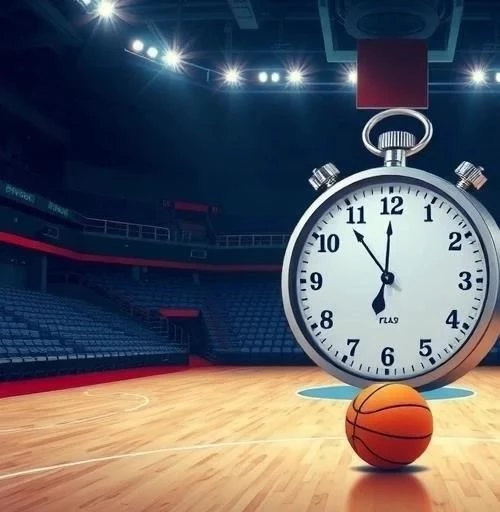
An NBA game has a regulation playing time of 48 minutes‚ divided into four 12-minute quarters. That is the time shown on the game clock—not the amount of time spectators should expect to spend watching. With stoppages‚ breaks and other delays‚ a typical NBA game takes about 2 to 2½ hours from tip-off to the final buzzer. Some games finish sooner‚ while close or unusually interrupted contests can last longer.
What makes the game clock longer?
The clock stops frequently. It pauses when a referee calls a foul‚ a player shoots free throws‚ the ball goes out of bounds‚ a team calls a timeout‚ or officials review a play. It also stops near the end of a quarter when play is dead. In the final minutes of a close game‚ teams may use timeouts and commit tactical fouls to manage the clock‚ so a short stretch of game time can take many minutes in real life.
There are scheduled breaks‚ too. The interval between the first and second quarters‚ and between the third and fourth‚ is brief. Halftime is longer—usually around 15 minutes—before teams return for the second half. Television timeouts and commercial breaks add to the total for viewers‚ and arena events or delays can extend it further.
Overtime and playoff games
If the score is tied at the end of the fourth quarter‚ the teams play a five-minute overtime period. If the tie remains‚ they play another overtime‚ and continue until there is a winner. Each extra period adds its own stoppages and interval‚ so a game with overtime often runs well beyond the usual estimate. The basic timing rules are the same in the NBA regular season and playoffs.
Quick guide
- Regulation clock: 48 minutes (four 12-minute quarters).
- Overtime: five minutes per period‚ with additional periods if needed.
- Typical real-world viewing time: roughly 2–2½ hours.
For planning‚ allow at least two and a half hours if you are attending in person or watching live‚ especially for a close matchup. The scheduled start time is not a reliable estimate of when the final buzzer will sound. If you only mean the official playing time‚ the answer is 48 minutes; if you mean the full event‚ expect a little over two hours in most cases.
Why estimates differ
No single duration applies to every matchup. A fast-paced game with few fouls and little reviewing may move along relatively quickly. A tightly contested finish‚ repeated replay checks‚ injuries‚ or several overtime periods can push the total much higher. The game clock measures active play‚ whereas the broadcast or arena experience includes all the time between plays. That distinction explains why “48 minutes” and “about two hours” are both correct answers to different versions of the question.


9 Comments. Оставить новый
Useful, readable guide. The reminder to allow extra time for a close matchup is particularly sensible.
This is a clear, practical explanation of why an NBA game lasts much longer than the 48 minutes on the clock. The planning advice is especially useful.
Well organized and practical. It answers the main question without getting bogged down in unnecessary detail.
Helpful overview. I appreciate that it distinguishes the game clock from the real time viewers should set aside.
Concise and informative. The quick guide at the end makes the key timing details easy to find.
The distinction between regulation time and total viewing time is helpful. A solid introduction for anyone new to basketball.
The section on close games and late-game stoppages makes the timing easy to understand. A useful guide for first-time viewers.
I found this straightforward and easy to follow. The overtime explanation is a useful addition to the basic estimate.
A good explanation of how timeouts, reviews, and breaks affect the overall length. This would help me plan an evening around a game.