
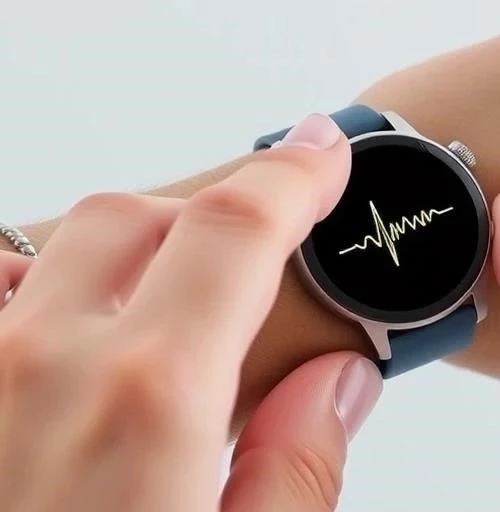
Apple Watch Series 5 can record a single-lead electrocardiogram (ECG) using its electrical heart sensor. The recording takes about 30 seconds and may show signs of atrial fibrillation (AFib), an irregular rhythm, or a sinus rhythm; It is a useful health record, but it is not a diagnosis and cannot replace a clinician’s assessment or a hospital ECG.
Before you begin
Check that the ECG feature is available in your country or region; availability depends on local approval. Your watch and paired iPhone must meet Apple’s software requirements, and the ECG app must be configured in the Health app. ECG is intended for people aged 22 and older; If the app is missing, update the devices and check the Health app’s ECG setup and regional availability.
Set up the ECG app
- On your iPhone, open the Health app and tap Browse, then Heart.
- Choose Electrocardiograms (ECG) and follow the on-screen instructions. You may be asked about your age and relevant health information.
- When setup is complete, find and open the ECG app on your Apple Watch; If setup cannot be completed, check the software version, region and age requirements rather than relying on an unofficial workaround.
Record a reading
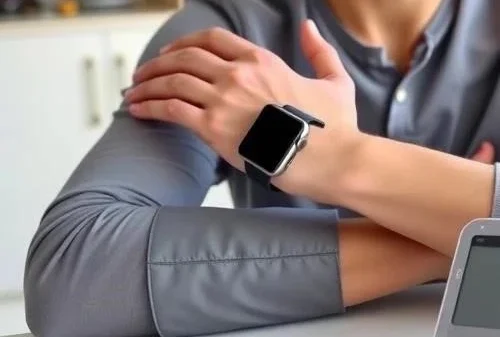
- Sit down and rest. Make sure the watch fits snugly on the wrist selected in the Watch app. The back of the watch should touch your skin; the watch and skin should be clean and dry.
- Open the ECG app. Rest your arms on a table or in your lap, and try to stay still and relaxed.
- Place a finger from your opposite hand lightly on the Digital Crown. Do not press or hold it down. Keep your finger there until the countdown ends, usually 30 seconds.
- Wait for the result to appear. The recording is saved in the Health app on your iPhone, where you can review it or export a PDF to share with a healthcare professional.
Good contact and stillness matter: movement, a loose fit, wet skin or a finger that loses contact can create an inconclusive reading. If that happens, dry your wrist and finger, adjust the band, rest for a few minutes and try again. Avoid taking a reading while exercising or immediately after strenuous activity.
Understand the result
- Sinus rhythm: the app detected a regular pattern during this recording. It does not prove that your heart is healthy or rule out every rhythm problem.
- Atrial fibrillation: the pattern may be consistent with AFib. Save the ECG and contact a healthcare professional for advice, especially if this is new or recurring.
- Inconclusive or poor recording: the app could not classify the result. Repeat under calm conditions, but do not keep testing instead of seeking care if you feel unwell.
Important limitations
The Series 5 ECG is a single-lead recording, not the multi-lead test used in clinical settings. It cannot detect a heart attack, blood clots, stroke, or all other heart conditions, and it does not continuously monitor for every irregular rhythm. A normal result is only a snapshot of those 30 seconds. The feature is not intended for people under 22, and some medical conditions or implanted devices may affect its usefulness; ask your clinician if unsure.
Seek urgent medical help for chest pain or pressure, severe shortness of breath, fainting, or other serious or sudden symptoms, regardless of what the watch reports. Do not delay care to take another ECG. Use the recording as supporting information for a clinician, not as a reason to diagnose or treat yourself.
6 Comments. Оставить новый
The recording steps are practical, particularly the advice to sit still, rest the arms, and touch the Digital Crown lightly. These details make the guidance easier to follow and address common causes of an inconclusive result.
The setup section usefully explains that availability depends on region and software requirements. Including these checks before troubleshooting could save readers time and discourages unsafe attempts to bypass local restrictions.
Overall, this is a measured and accessible guide that balances step-by-step instructions with appropriate limitations. Its explanation of how movement, moisture, and poor contact can affect a reading is particularly useful for setting realistic expectations.
It is helpful that the article explains where recordings are saved and that they can be exported as a PDF. This gives readers a clear next step for sharing the information with a healthcare professional.
The instructions are clearly organized, and the reminder that an ECG reading is not a diagnosis is especially important. That distinction helps readers use the feature as a record to discuss with a clinician rather than as a substitute for medical care.
The age and regional availability qualifications are sensible additions because not everyone can use the ECG app. The article could also benefit from a brief reminder to seek urgent care for severe or sudden symptoms, regardless of a watch result.