
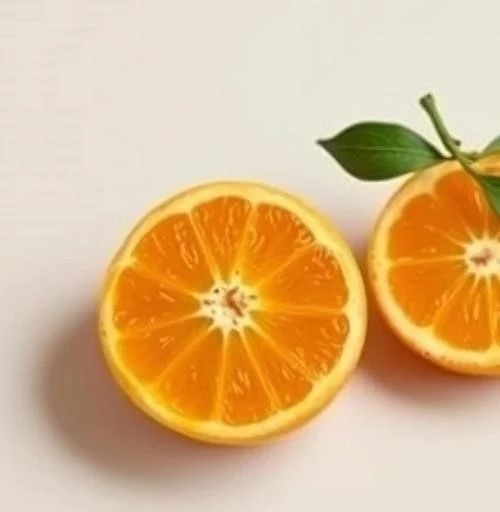
An orange is a small edible sunrise: bright, juicy, and pleasantly sweet․ It is also a relatively light snack․ A typical raw orange contains about 47 calories per 100 grams of edible fruit․ Since oranges come in many sizes, the number in your hand depends on how much fruit you actually eat․
The quick serving-size guide
- Small orange: roughly 45–55 calories․
- Medium orange: about 60–65 calories․
- Large orange: around 85–90 calories․
- 100 g of orange segments: approximately 47 calories․
These are useful estimates, not a promise from the fruit․ A heavy peel can make an orange look bigger than its edible portion, while varieties and growing conditions also affect size and sweetness․ For the closest estimate, weigh the peeled segments and multiply their weight in grams by 0․47․ For example, 140 g of segments provides about 66 calories․
What comes with those calories?
Most of an orange’s energy comes from naturally occurring carbohydrates, including fruit sugars․ It also offers water, a little fiber, and vitamin C․ The fiber helps give whole fruit its satisfying, slow-to-eat quality; the juicy sweetness arrives wrapped in segments rather than poured into a glass․ Calories describe energy, not whether a food is “good” or “bad”—and an orange brings more to the table than its calorie count․
Whole orange or orange juice?
Juice can contain a similar number of calories per 100 g, but portions are easy to underestimate: a glass may use several oranges․ Juicing also removes much of the pulp and makes it quicker to drink the fruit’s sugars․ If you are comparing labels, check the serving size and whether anything has been added․ Unsweetened juice is different from a sweetened orange drink․
A small note about the peel
Calorie figures usually refer to the edible flesh, not the peel․ Zest can perfume cakes, salads, and tea, but it is used in tiny amounts, so it rarely changes a meal’s total much․ Wash the fruit before zesting, and remember that bitter pith is not the same as the fragrant outer zest․
Bottom line
For everyday tracking, count a medium orange as roughly 60 calories, or use about 47 calories per 100 g of edible fruit․ Treat the number as a practical estimate: the orange is not a laboratory specimen, and its best feature may be the fresh, bright pause it brings to your day․


8 Comments. Оставить новый
This article treats calories like information, not a verdict. That gentle distinction is refreshing—and the orange seems brighter for it.
The phrase “small edible sunrise” gives the orange a grand entrance, then the practical serving guide brings it back down to earth. A lovely balance of charm and usefulness.
I like how this turns a calorie question into a little lesson in measurement. The peeled-segment example makes the math feel less like a diet rule and more like a kitchen trick.
Useful without being bossy: estimates are presented as estimates, and the reader gets a simple way to make them more precise. That’s a good recipe for trustworthy advice.
The comparison with juice is especially helpful: a glass can quietly gather several oranges into one quick sip. It’s a small reminder that form and portion matter as much as the number.
I never thought of the peel as a bit of edible misdirection, making a large orange look more substantial than its segments might be. The weighing tip is clear, memorable, and easy to use.
A neat, juicy guide that doesn’t flatten nutrition into one number. The mention of water, fiber, and vitamin C gives the calorie count some welcome company.
The little detour into zest makes this feel like food writing, not just arithmetic. Now I’m thinking of orange peel as perfume for a cake—and a reminder to wash the fruit first.